

Industries
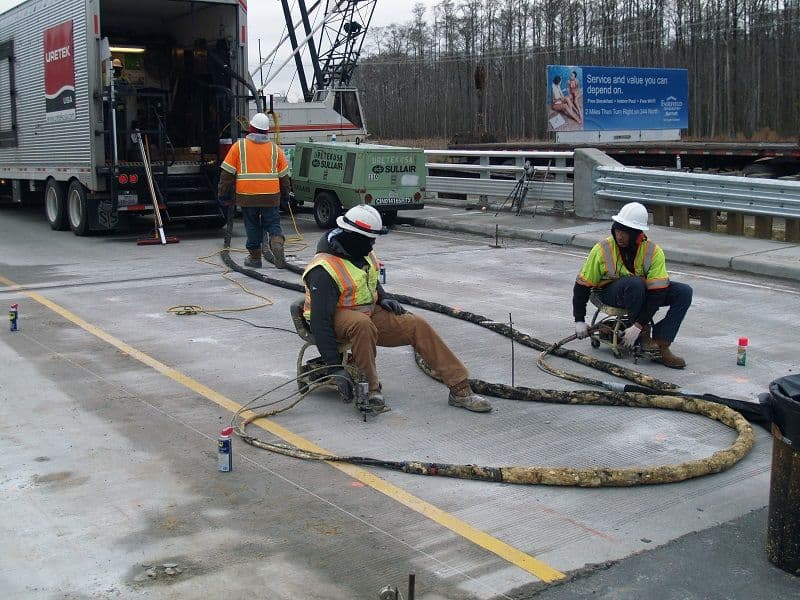
Highways, bridges, rail lines, airports, and tunnels all carry heavy, constant loads on soil that was never designed to stay perfectly stable forever. When that soil weakens, the surface above it settles, cracks, or opens into a void, and the agency responsible for it usually cannot afford to shut the asset down while it gets fixed. URETEK stabilizes the ground beneath transportation infrastructure through small-hole polymer injection, restoring support without the excavation or closures a traditional repair would need.
Transportation assets share the same three pressures, whether the surface is asphalt, concrete, or rail ballast.

Settlement and cracking from soil that has weakened under decades of constant, heavy traffic loads
Repairs that have to happen without shutting down a highway, runway, rail line, or bridge the public depends on every day
Meeting the standards of whichever agency owns the asset, a state DOT, the FAA, a rail authority, or a toll authority, each with its own inspection and sign-off process
Airports
URETEK stabilizes runway, taxiway, and apron pavement and subgrade using expanding polymer injection, restoring FAA-compliant conditions with minimal disruption to flight operations.
Read More about Airports


Bridges
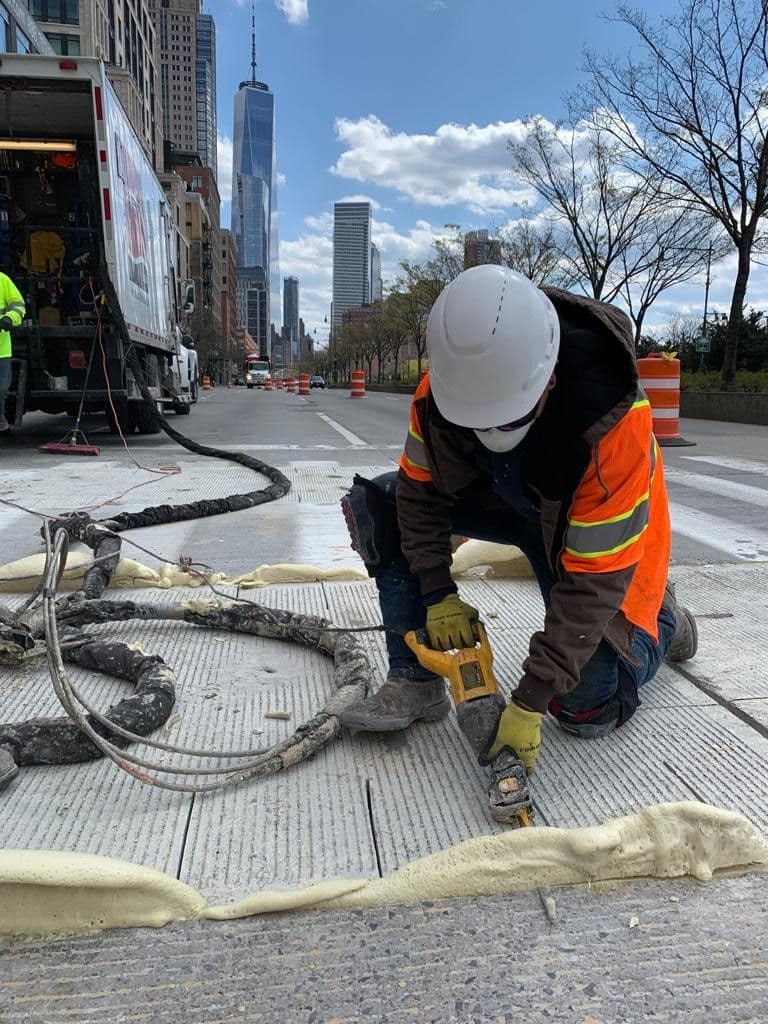
URETEK stabilizes bridge abutment and approach slab soils and lifts settled pavement using expanding polymer injection, restoring the transition between road and bridge without excavation.
Read More about Bridges

Highways
URETEK stabilizes subgrade soil and lifts settled pavement on highways and state routes using expanding polymer injection, with minimal lane closures and no full excavation.
Read More about Highways

Rail Systems
URETEK increases the density and stiffness of subgrade soil beneath active rail lines using expanding polymer injection, without removing the track structure.
Read More about Rail Systems

Tunnels
URETEK seals active water ingress in vehicular and transit tunnels, at liners, joints, and cracks, using interior injection during scheduled closure windows, without excavation from the surface.
Read More about Tunnels

Pavements, subgrades, and structures are evaluated on site through inspection and soil testing before any repair plan is proposed.
Injection design and sequencing are built around the specific site, whether that means a live runway, an open interstate, or an active rail line, and coordinated with the agency's own engineers.
Small-diameter injection points are installed with minimal disruption to traffic, flights, or rail service already using the asset.
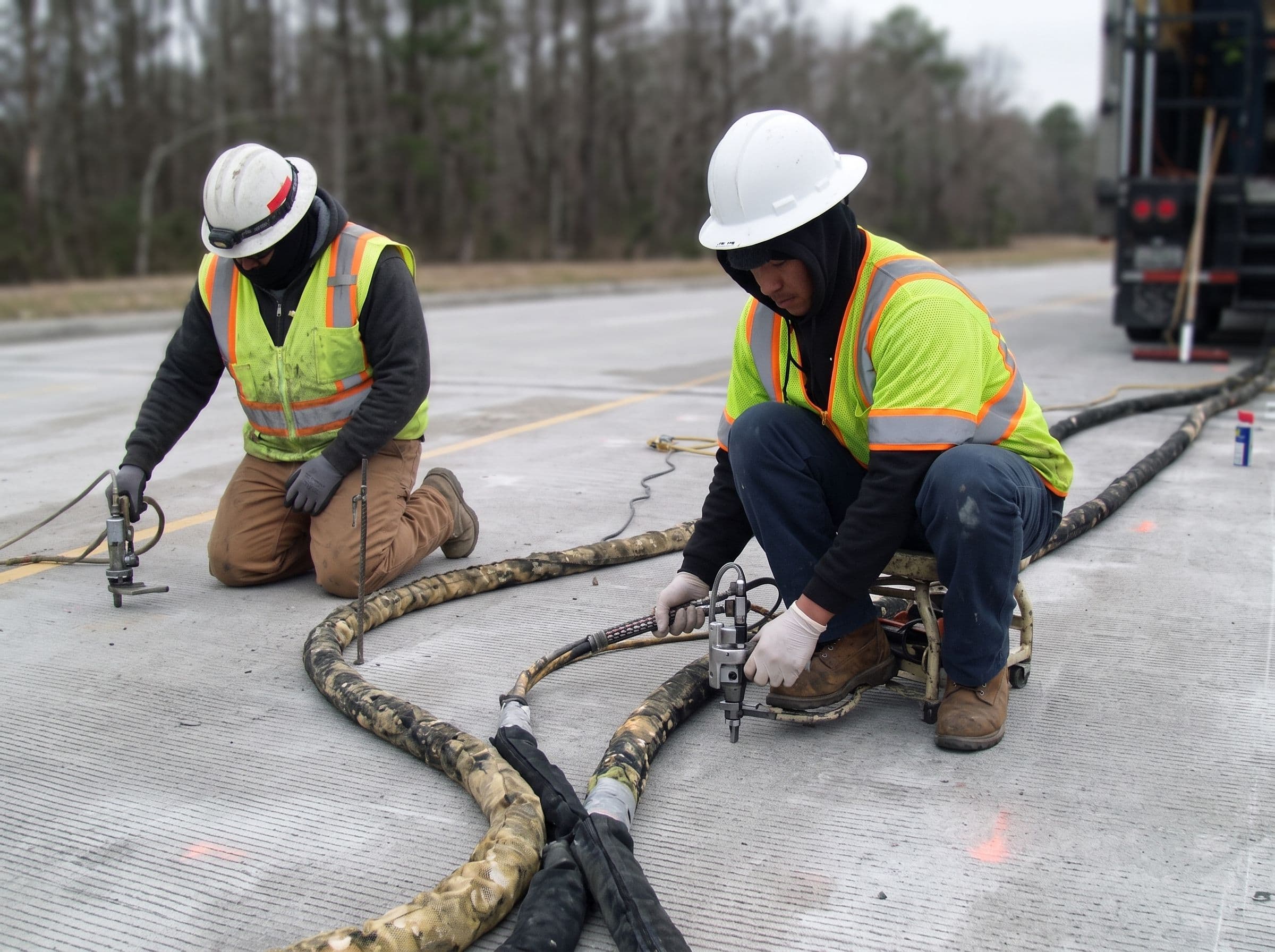
A URETEK project manager evaluates the actual soil and pavement conditions on site first, not a standard package applied regardless of what caused the problem. On projects like the I-40 bridge approach in Knoxville, URETEK crews worked directly from a plan reviewed with the Tennessee Department of Transportation's own engineers before drilling started.
Yes. Soil testing sets the depth and pattern for each site, and that pattern is designed around the specific structure above it, a bridge approach slab settles differently than open highway pavement or a runway. On Highway US-50 in Nevada, that meant stabilizing a 32-foot section of pavement from the top down over three days in freezing temperatures. On the Buffalo, New York bridge project, it meant correcting up to three inches of differential settlement across two separate approach slabs.
In most cases, yes, because there is no excavation, no demolition, and no rebuild. The soil is strengthened and the surface lifted back to grade in place, which is also why these repairs are measured in hours or days rather than the weeks a full reconstruction would take.
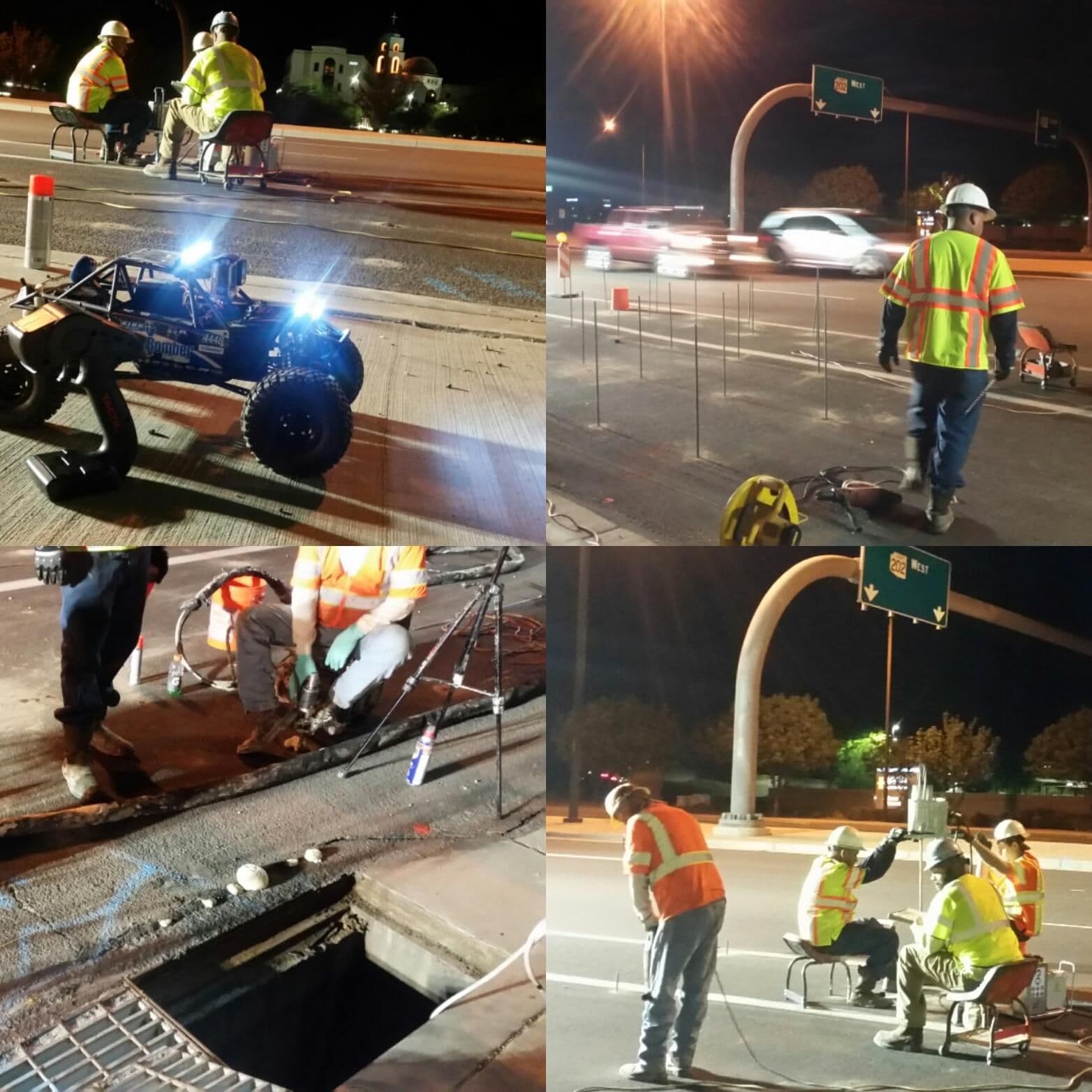
Usually, yes. Because the fix is injected through small holes, most work is scheduled around existing traffic rather than stopping it. At DFW Airport, a settled departure slab was lifted back to grade and safe for traffic again by 7:00 a.m. the next morning. At LAX, crews stabilized a runway and terminal apron in a single overnight shift, and air traffic resumed on schedule.
Crews can mobilize on short notice, including nights, weekends, and holidays. At DFW Airport, URETEK was called at 7:00 p.m. on a holiday and had a crew assessing the site by 12:30 a.m. In Sugar Land, Texas, a four-lane settlement on an I-69 feeder road was fully repaired more than 24 hours ahead of the deadline set by TxDOT and the city.
Get your highway, bridge, rail line, airport, or tunnel assessed by a team that has worked on all five.
Request Proposal
URETEK
Ground improvement solutions engineered for performance.
Contact Us
Find Local Experts


13900 Humble Road, Tomball, TX 77375
Services
Solutions

 800-240-7868

