

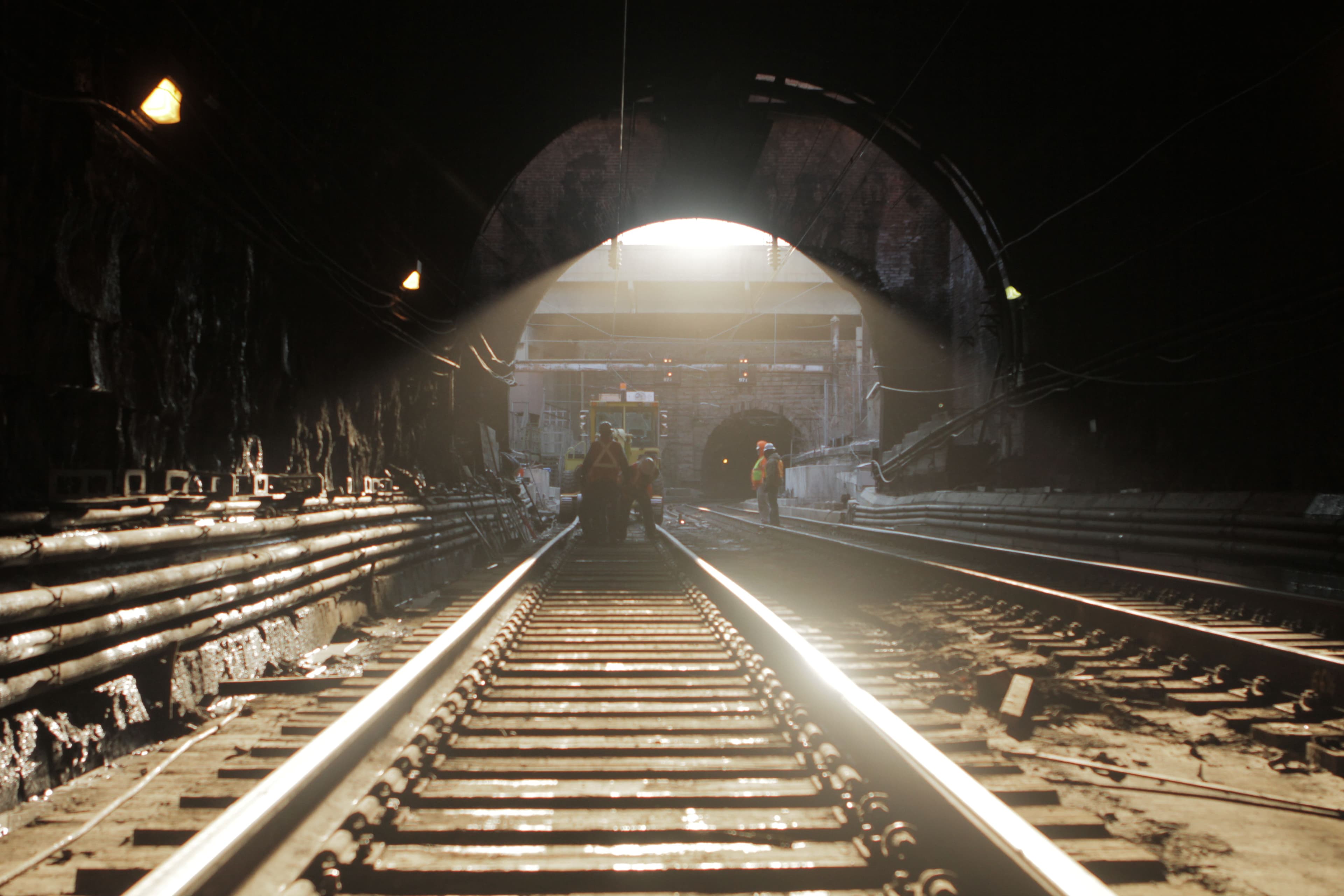
Rail lines carry concentrated, repeated loads along a fixed, narrow path, which means subgrade weakness affects ride quality and safety more directly than it would on a road with load spread across a wider surface.
Solutions for this Industry
Rail Subgrade Stabilization

Infrastructure Settlement Control
Soil Loss
Sibling Industries
Highways
Bridges
Airports
Tunnels
Need a Site Assessment?

800-240-7868

Rail lines carry concentrated, repeated loads along a fixed, narrow path, which means subgrade weakness affects ride quality and safety more directly than it would on a road with load spread across a wider surface. Ballast and subgrade that have lost density under train traffic, or eroded from a failing culvert nearby, show up first as a rougher ride and then as a maintenance problem that keeps returning. Rail operators and infrastructure agencies turn to ground stabilization when a section of track needs its substructure restored rather than just its surface.
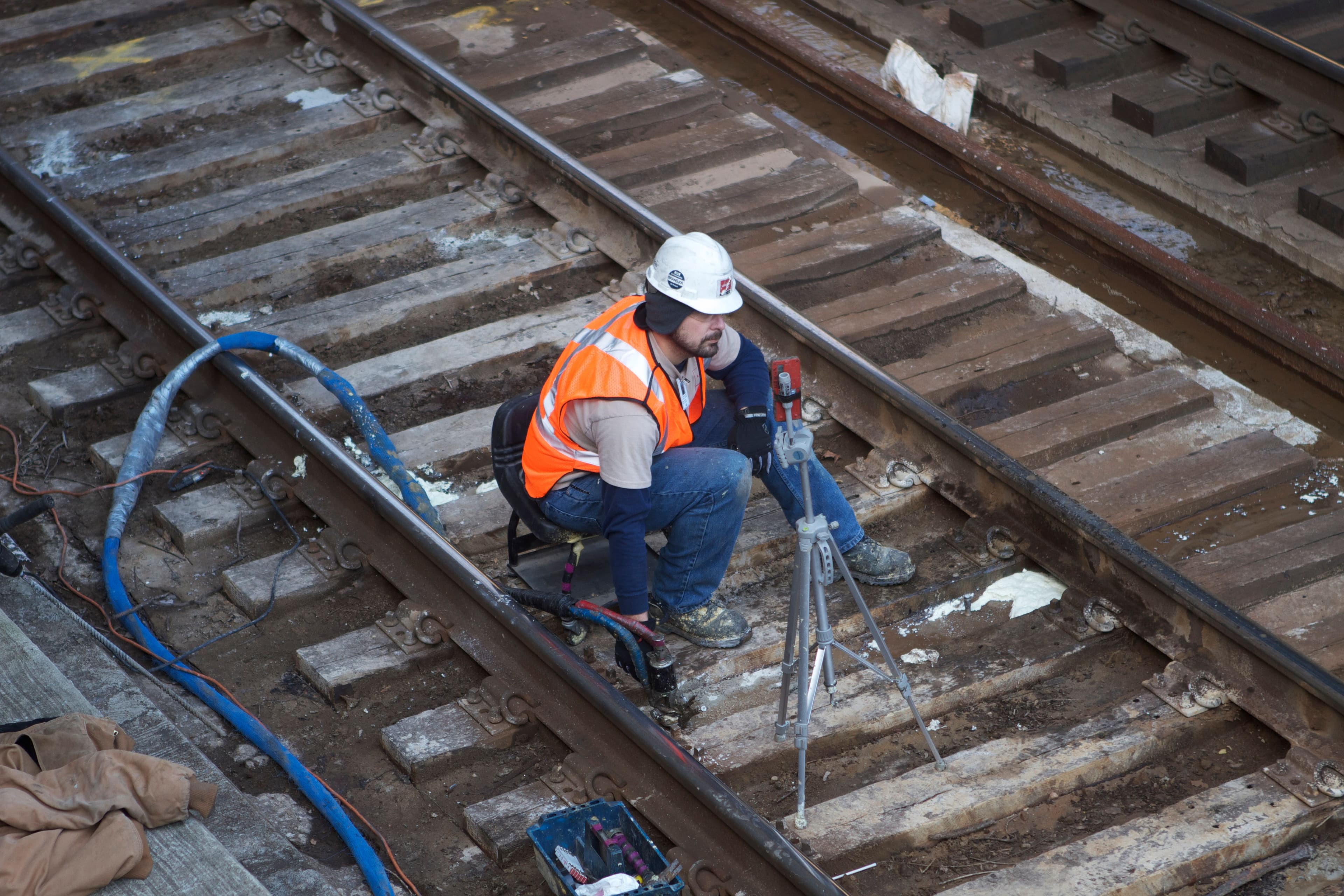
Rail infrastructure carries pressures that don't apply the same way to road-based transportation.

Subgrade settlement beneath rail lines reducing track stiffness and ride quality under repeated, concentrated train loads
Erosion or void formation from a failing culvert or drainage structure beneath the rail bed
Track sections requiring recurring maintenance in the same location without the underlying subgrade cause ever being addressed
Limited access windows, since most rail work must be scheduled around live train traffic rather than during normal business hours
Meeting railroad-specific track safety and load standards before a repair is accepted back into service
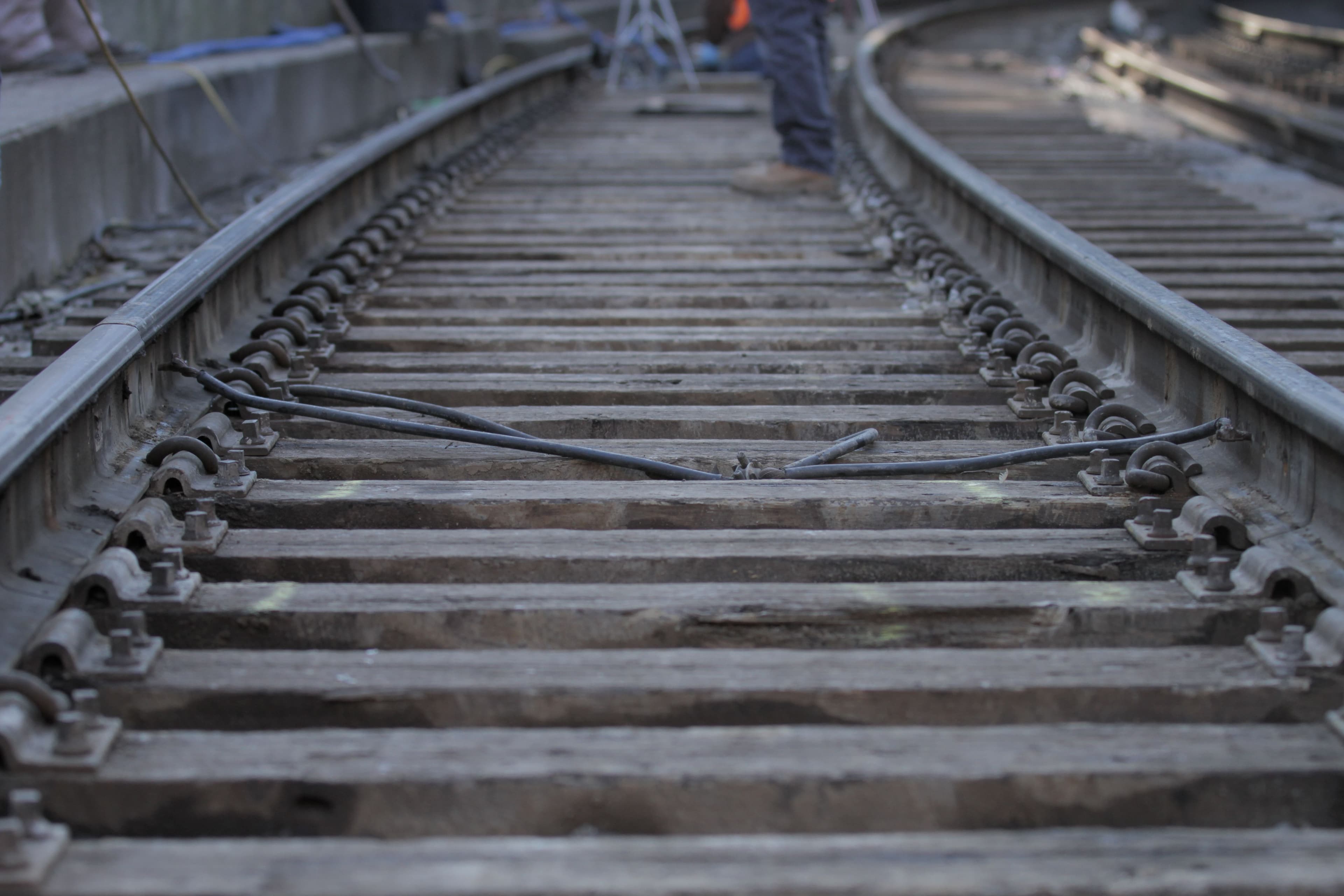
Rail infrastructure demands a fix that restores the substructure without pulling a section of track out of service for long.
Minimizes service interruption. A railroad subgrade stabilization project in Baltimore, including setup, breakdown, cleanup, and final inspection, was completed in under 20 hours
Injection sequencing is engineered around the track's own safety and load requirements, confirmed by testing before and after treatment
Delivers a verified stiffness improvement, not just a visual fix. On a railway subgrade project, UDI treatment increased track stiffness by 90 percent, with track modulus rising from 8 MPa to 15 MPa
Works from access points along the rail bed rather than requiring the track structure itself to be removed or replaced
1
Investigation
Track and subgrade conditions are evaluated through inspection and testing before any repair plan is designed.
2
Planning
Injection design and sequencing are developed around the specific rail line's access windows and safety requirements.
3
Access
Small-diameter injection points are installed along the rail bed with minimal disruption to train operations.
4
Injection
Expanding polymer is placed to stabilize subgrade soils and increase track stiffness as needed.
5
Monitoring
Real-time tracking confirms precise alignment and stabilization during treatment.
6
Validation
Final inspection confirms track modulus improvement and compliance with railroad safety standards.
On a railway subgrade project, UDI treatment increased track stiffness by 90 percent, with track modulus measured both before and after treatment to confirm the actual improvement rather than assuming it worked.
Track modulus is measured directly. On one project, it increased from 8 MPa to 15 MPa across a treated 50-foot section, giving a concrete, verified improvement figure rather than a general claim.
In most cases, yes. A railroad subgrade stabilization project in Baltimore, including setup, breakdown, cleanup, and final inspection, was completed in under 20 hours, a fraction of what removing and rebuilding a section of track would require.
Yes. The Baltimore project was completed in under 20 hours total, with work performed from access points along the rail bed without removing the track structure itself.
A leaking or failing culvert beneath a rail crossing in Arizona gradually washed soil away from beneath the track, a slow process that often goes unnoticed until it shows up as a settlement or ride-quality issue at the surface.
Get an expert site assessment and a tailored stabilization plan.
Request a Site Assessment
URETEK
Ground improvement solutions engineered for performance.
Contact Us
Find Local Experts


13900 Humble Road, Tomball, TX 77375
Services
Solutions

 800-240-7868


