

Solutions
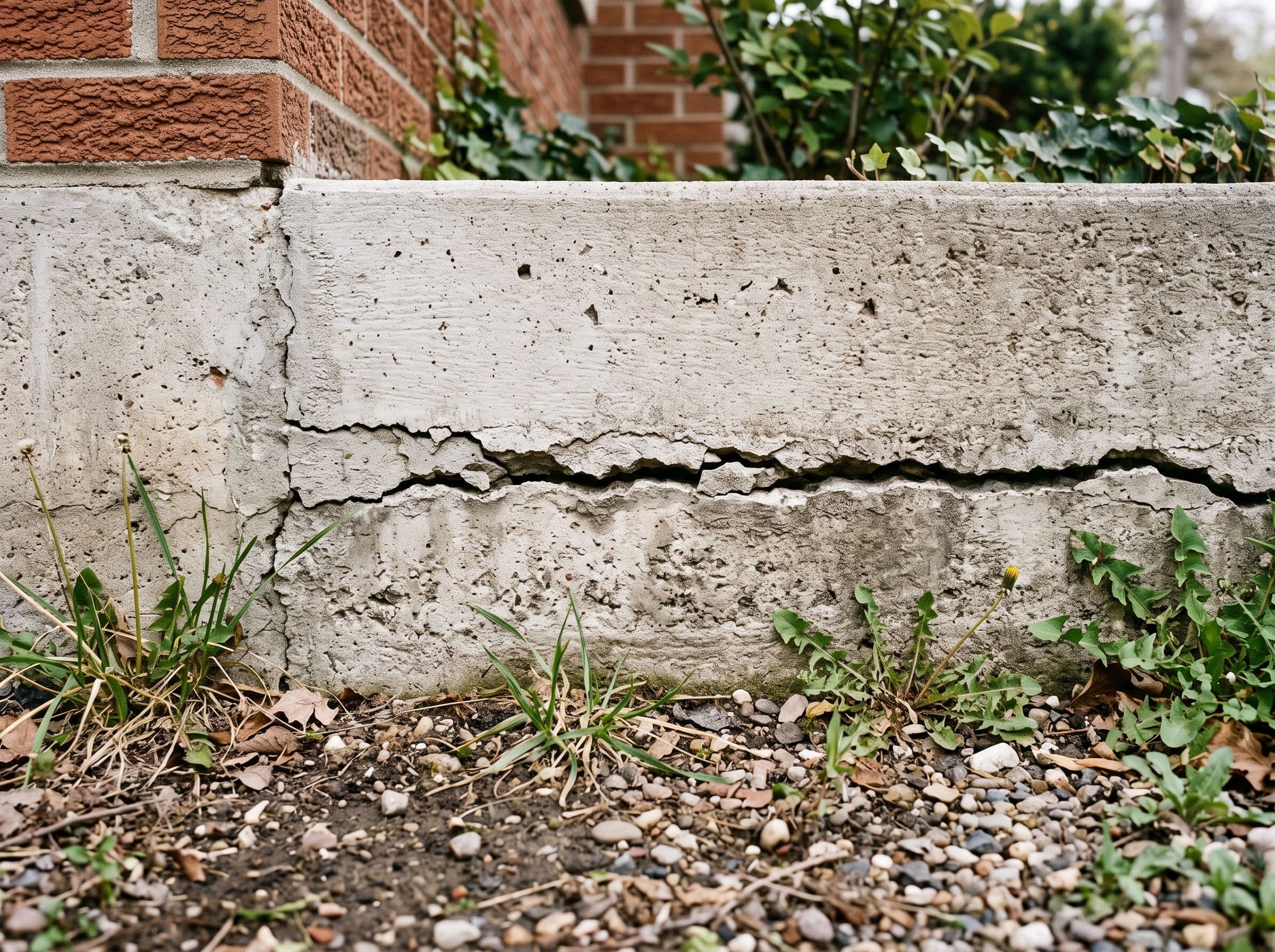
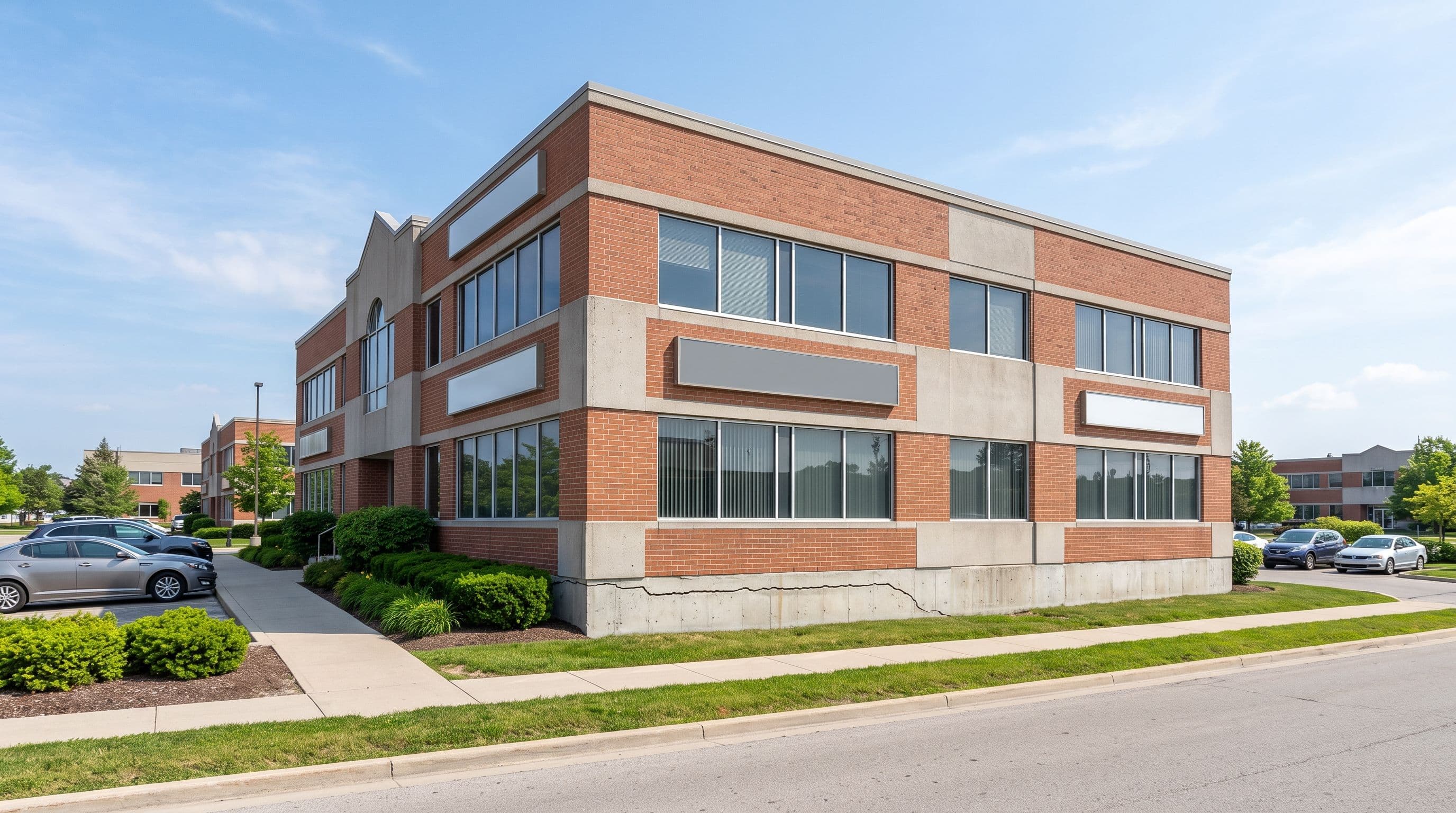
Settlement doesn't always look the same. A single crack in a foundation, a whole structure out of level at more than one point, a foundation that can't yet carry the load being added to it, or a public road that keeps dipping in the same spot, each of these needs a different answer, even though the underlying cause is often the same weakened soil. This category covers four specific ways settlement and structural movement show up, so you can start with what you're actually seeing rather than a general repair method.
Settlement Remediation
Strengthening weakened soil beneath a settling foundation, floor, or slab through polymer injection, restoring support without digging it up.
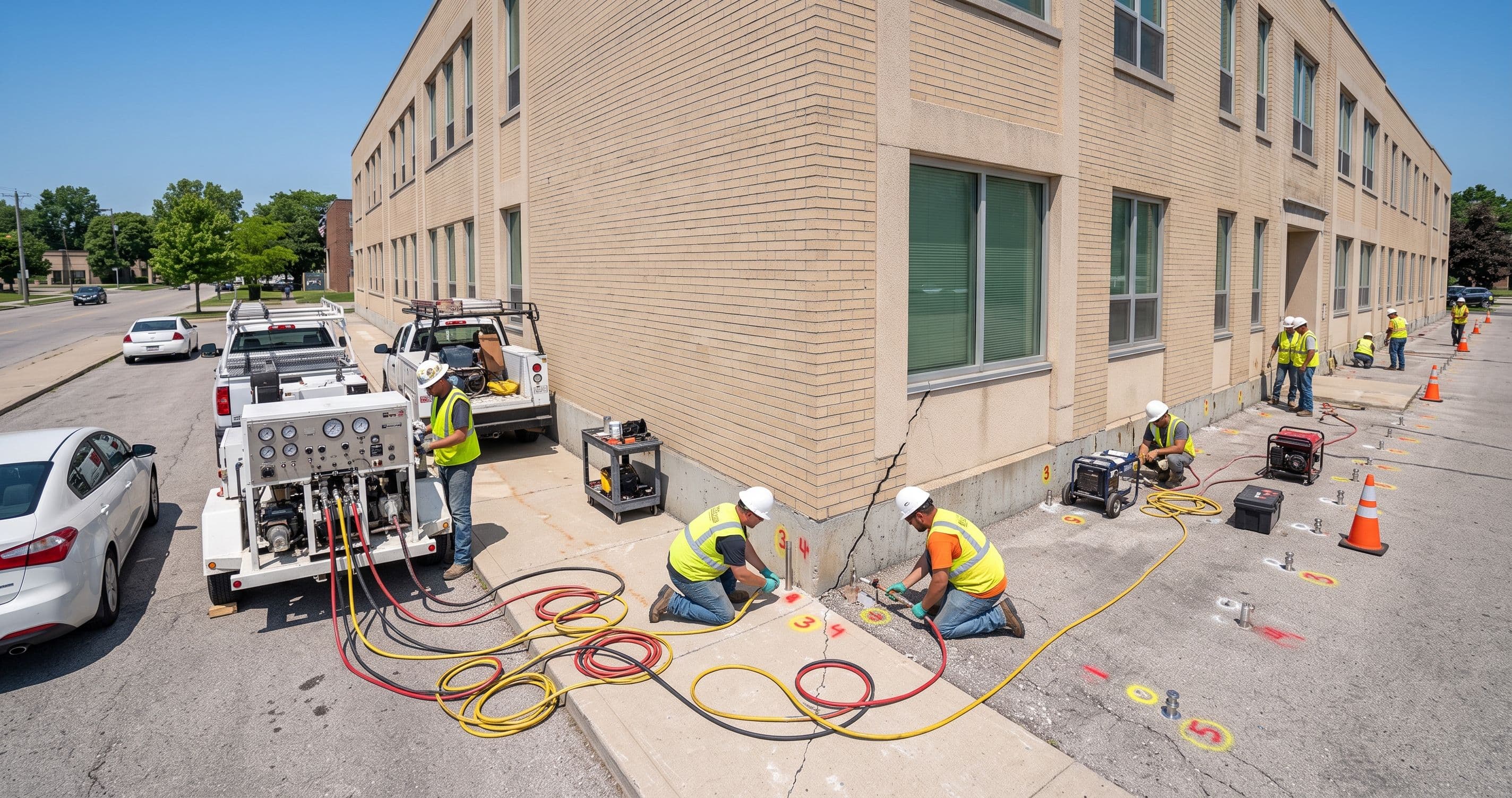
Structural Re-Leveling
Coordinating polymer injection across every affected point of a settling structure, re-leveling it as a whole rather than correcting one area at a time.
Foundation Stabilization
Increasing a foundation's bearing capacity in place, before added load becomes a visible problem.

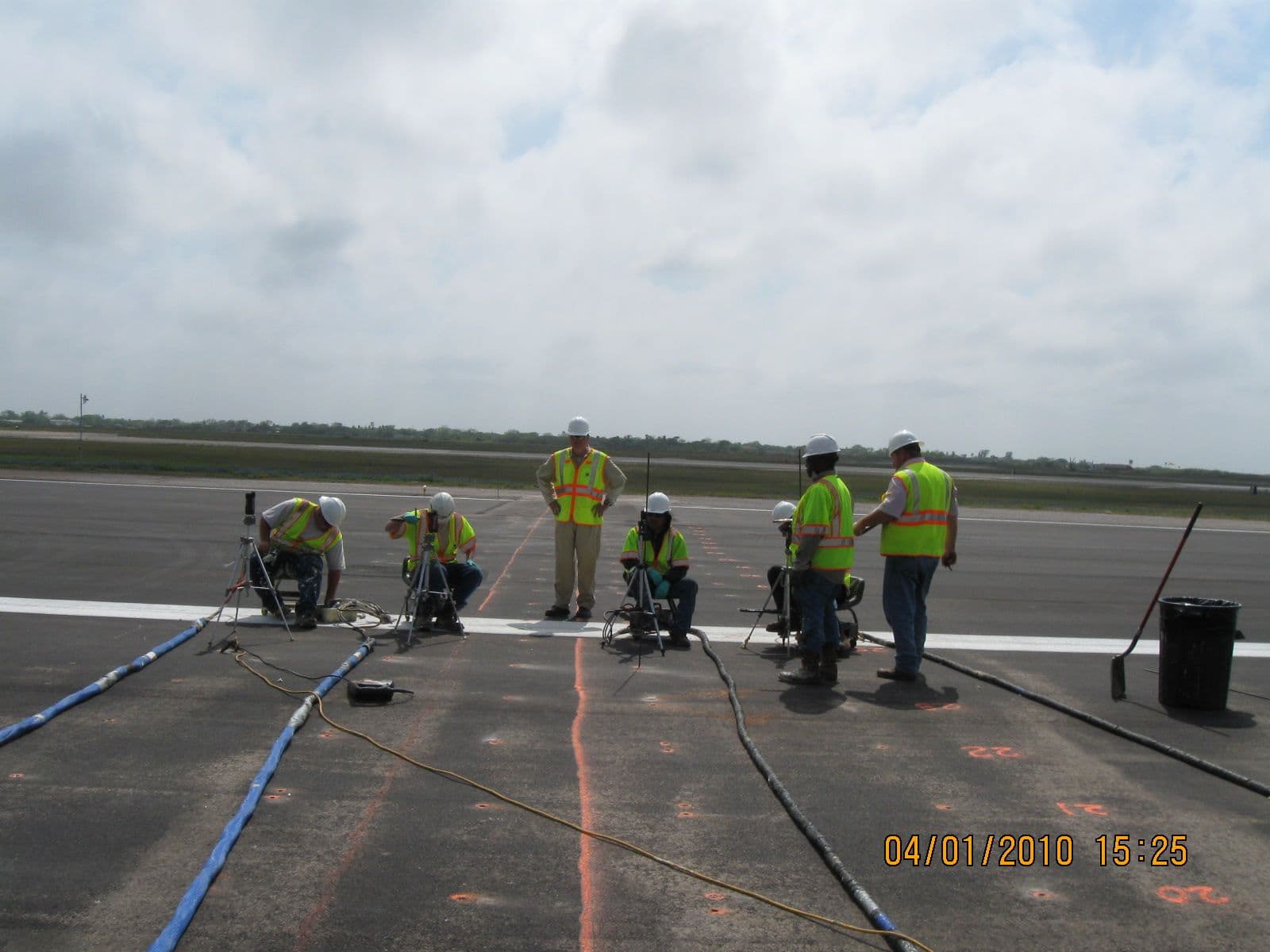
Infrastructure Settlement Control
Stabilizing the soil beneath roads, runways, and other public assets, without long closures.
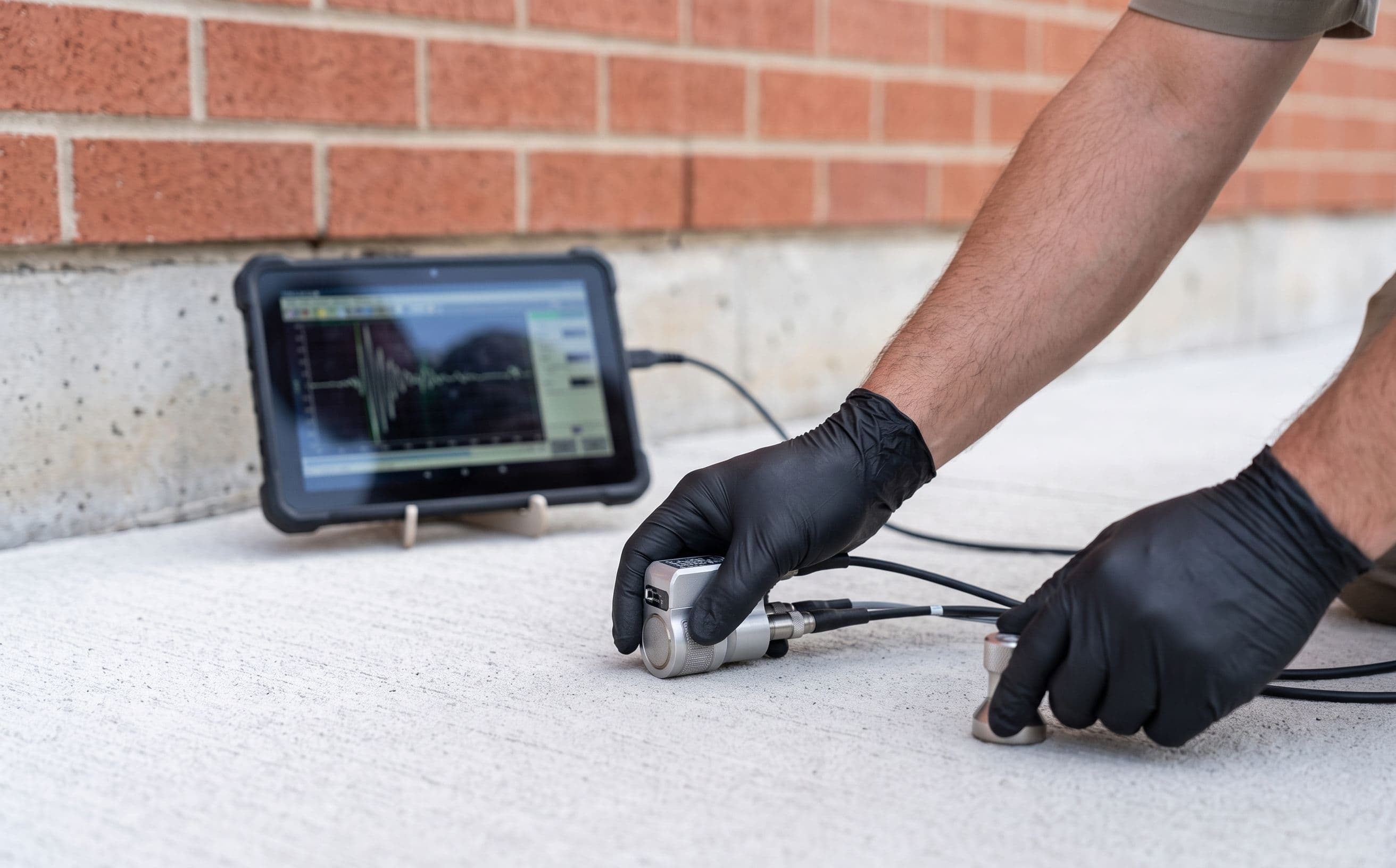
Every repair starts with confirming the actual cause, not assuming it from the visible symptom.

Investigation: Soil and structural conditions are evaluated through testing before any repair plan is designed, confirming the actual cause rather than assuming it from the visible symptom.
Planning: Injection sequencing is engineered around the specific cause and site conditions found, whether that's one settled area, multiple points across a structure, or a road that needs to stay open.
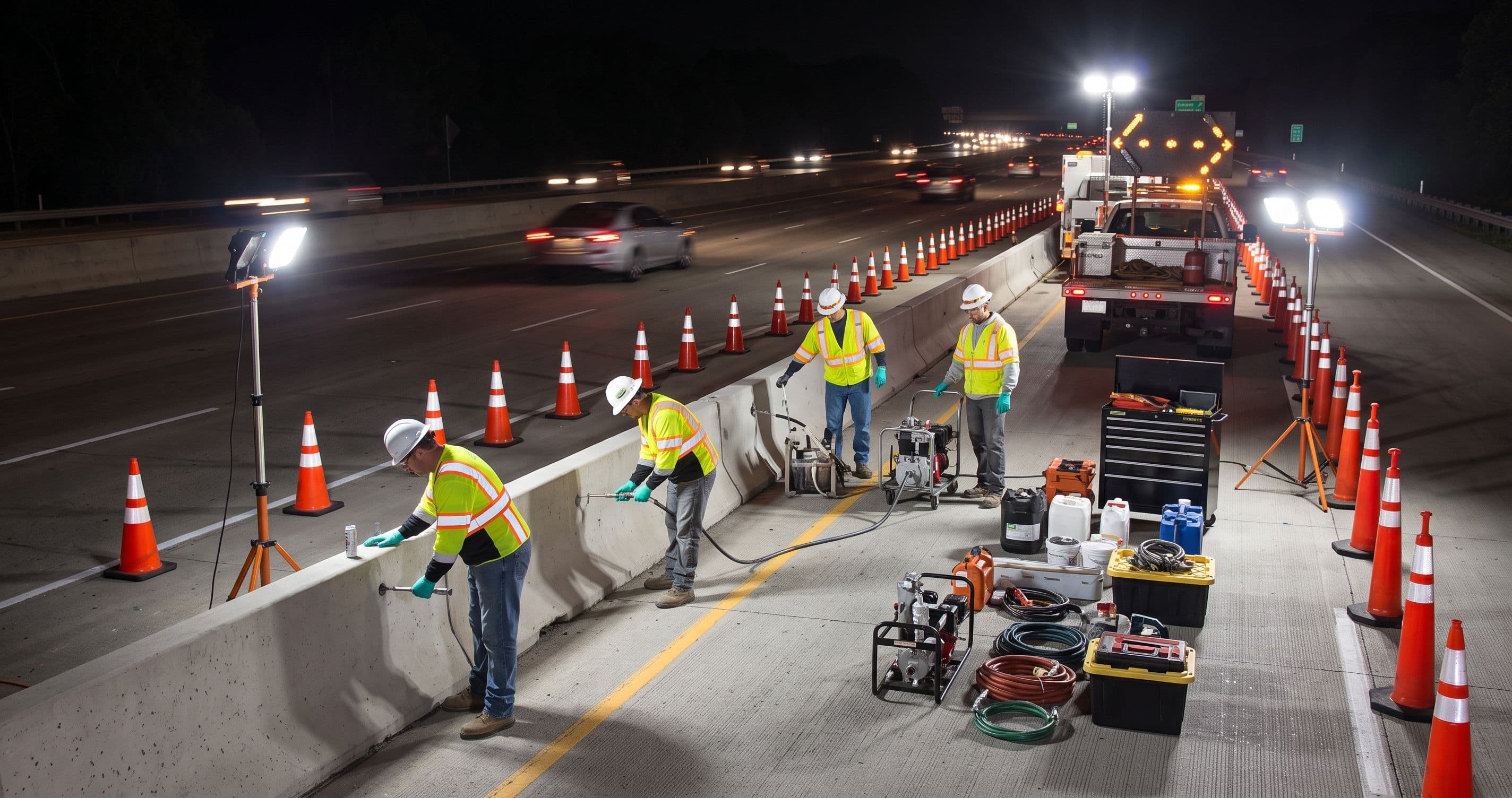
Access: Small-diameter injection points are installed with minimal disruption to the structure, site, or surrounding traffic, so the fix doesn't require the kind of closure a full reconstruction would.
Start with what's actually happening. A single settling foundation, floor, or slab with no clear pattern yet points to Settlement Remediation. A structure out of level at more than one point points to Structural Re-Leveling. A foundation that needs to carry new or added load, even before visible movement, points to Foundation Stabilization. Settlement on a road, runway, or another public asset points to Infrastructure Settlement Control. Each detail page also includes an "Is This Your Problem?" section to help confirm the right fit.
Weak or poorly compacted soil is the most common cause, but not the only one. Water intrusion washing soil away, added load a foundation was never designed for, and long-term soil consolidation under an older structure all lead to the same kind of movement through different mechanisms.
In most cases, yes. URETEK's injection process works through small access holes rather than open excavation, which is why many of these repairs can be completed in hours or days rather than weeks, often without taking a structure, road, or facility fully out of service.
Soil testing identifies the depth and extent of the weak or affected layer before any injection begins. The specific pattern, spacing, and depth are engineered around those findings, not applied as a standard template regardless of what the site actually shows.
Not necessarily, but it's worth having assessed. Minor settlement can be an early sign that soil beneath a structure has weakened, and catching it early is generally faster and less disruptive to fix than waiting until it affects load-bearing elements.
Tell us what you're seeing, and we'll help you find the right fix.
Request an Assessment
URETEK
Ground improvement solutions engineered for performance.
Contact Us
Find Local Experts


13900 Humble Road, Tomball, TX 77375
Services
Solutions

 800-240-7868

