

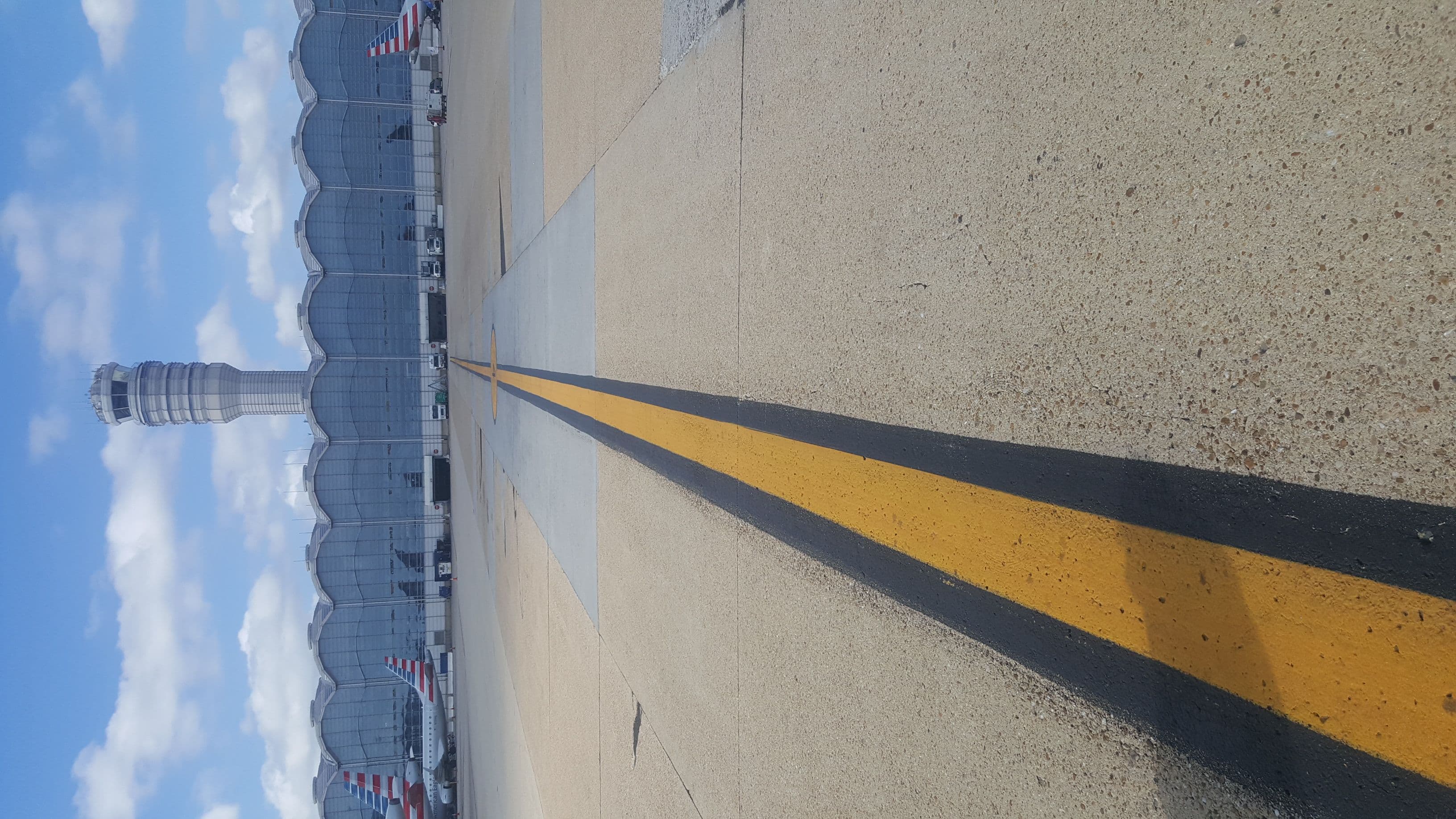
A floor that slopes, a crack that keeps growing, a door that no longer closes right, these are usually signs the soil under a structure has lost the strength it once had.
Applied in these Services
Settlement Control

Soil Stabilization
Related Industries
Commercial and Institutional
Industrial Facilities
Need a Site Assessment?

800-240-7868

A floor that slopes, a crack that keeps growing, a door that no longer closes right. These are usually signs that the soil under a building, slab, or foundation has lost the strength it once had, and the structure above it is settling as a result. Settlement Remediation strengthens that soil directly, without digging it up. Engineers, building owners, and facility managers turn to it when settling shows up anywhere from a historic landmark to a working distribution center.
Settlement rarely comes from one single cause. Here are the ones URETEK sees most often.

Fill soil beneath the structure that was never properly compacted when it was originally built, especially common in older or historic buildings
Water intrusion or poor drainage slowly washing fine soil particles out from beneath a foundation or slab
New construction, added equipment, or heavier daily traffic placing more load on soil than it was originally built to carry
Long-term soil consolidation under a structure whose original foundation was adequate at the time, but is no longer enough
Settlement usually shows itself gradually. Watch for these before it becomes a bigger repair.
Cracks running diagonally from a window or door corner
Doors or windows that stick, or no longer latch properly
Floors that visibly slope or feel uneven underfoot
A gap opening between the foundation and the ground, or between a building and an attached slab or walkway
A section of pavement, driveway, or loading area sinking faster than the surrounding area
Settlement that keeps coming back after a patch, shim, or cosmetic repair
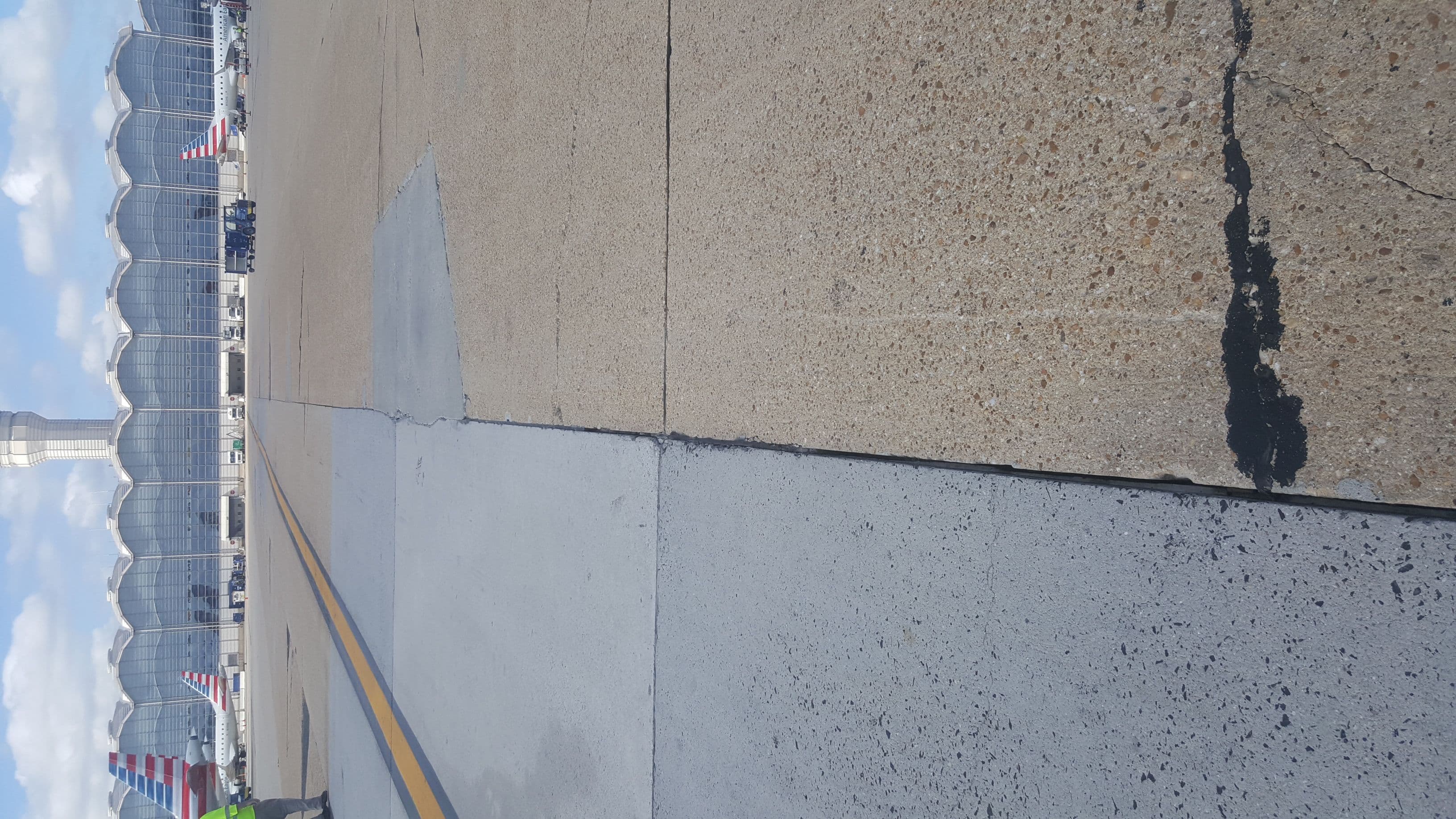
This is the right page when a building, floor, or paved surface is sinking or uneven, and no single cause has been pinpointed yet.
It's not the best fit in every case. Check these first:
 Concerned about new or added load, not visible sinking yet? See Foundation Stabilization.Whole structure out of level at multiple points, not just one area? See Structural Re-Leveling.Problem is a road, runway, bridge approach, or another public asset? See Infrastructure Settlement Control.
Settlement often shows up next to a stressed retaining wall or a forming void. Worth checking Retaining Wall Stabilization and Void Formation too.
What addressing settlement early, the right way, actually gets you.
Strengthens the soil that's actually causing the movement, instead of patching the surface symptom and waiting for it to return
Reduces the safety risk of a settlement problem reaching load-bearing walls or structural connections before it's caught
Keeps the building or facility operating. On the Ooltewah, Tennessee project, URETEK designed the injection schedule specifically so the FedEx distribution center's truck traffic could keep moving during the repair
Measured in days or weeks, not months. The Ooltewah repair was completed over three weeks alongside other contractors already on site
Expanding polymer is injected directly into the weakened soil layer, increasing its density so it can bear weight again, rather than removing and replacing the soil entirely
Two Services perform this fix, depending on how far the problem has gone: Settlement Control targets soil that's already moving, and Soil Stabilization builds soil strength before it gets that far
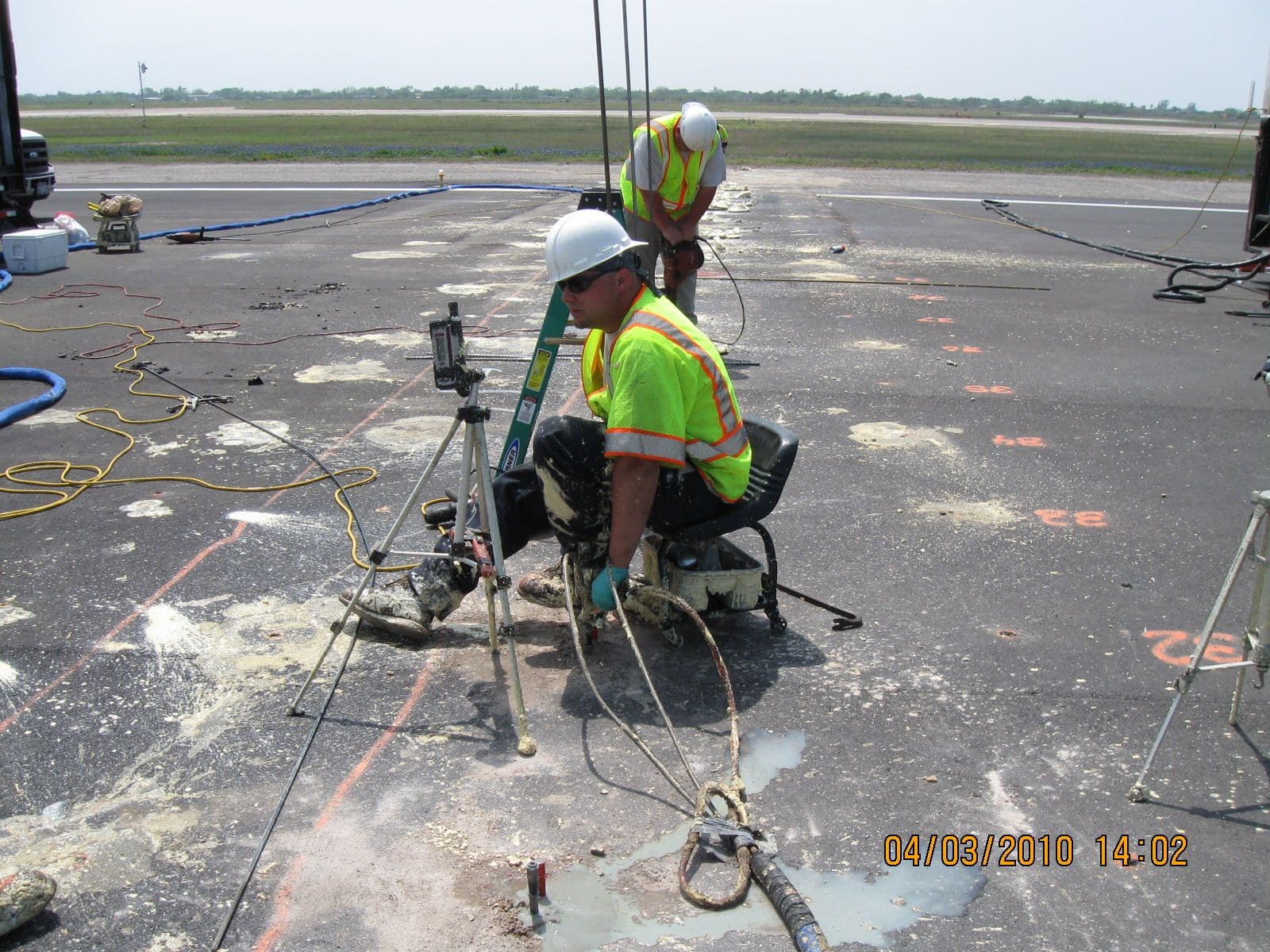
URETEK's general approach is small-hole polymer injection. Crews drill holes as narrow as 5/8 inch into the weak soil layer, then inject an expanding polymer that increases its density and strength. There's no excavation, and no need to disturb the structure above.
The exact injection pattern depends on the cause. Settlement Control targets soil that's already moving. Soil Stabilization builds strength into soil before it gets that far.
URETEK has stabilized settling foundations, floors, and pavement for commercial, institutional, and industrial facilities nationwide.



URETEK 486 Star is injected directly into the soil layer that lost strength, and it cures to 99% of its final strength within minutes, so it is not a slow-setting material that can shift as it hardens. A URETEK project manager evaluates the actual soil conditions on site first, rather than applying a standard patch regardless of what caused the settlement in the first place.
Soil testing is done first to find the depth and extent of the weak layer, and the injection pattern is designed around those results rather than a standard depth. On the Distribution Center Access Drive project in Ooltewah, Tennessee, crews stabilized the problem areas over three weeks, adjusting the work around what the soil testing showed and the facility's live truck traffic.
In most cases, yes, because there is no excavation, no demolition, and no rebuild. The soil is strengthened in place instead of removed and replaced, which is also why the timeline is measured in days or weeks rather than months.
Yes. Because the fix is injected through small holes, the building or facility generally stays in use during the work. On the Ooltewah, Tennessee project, URETEK designed the injection grid and work schedule specifically to keep the FedEx distribution center's truck traffic moving throughout the repair.
Most often it is soil beneath the structure that was never properly compacted, has lost fine particles to water intrusion over time, or is now carrying more load than it originally supported. The fix targets whichever of these is actually happening on site, confirmed by soil testing rather than assumed from the symptoms alone.
Get the soil beneath your foundation checked and stabilized before settlement spreads.
Request a Settlement Assessment
URETEK
Ground improvement solutions engineered for performance.
Contact Us
Find Local Experts


13900 Humble Road, Tomball, TX 77375
Services
Solutions

 800-240-7868


