


Highways carry the bulk of the country's vehicle traffic across interstates, state routes, county roads, and parkways, along with the shoulders, culverts, and drainage structures built to support them.
Solutions for this Industry
Pavement Settlement

Infrastructure Settlement Control
Weak Soils
Sibling Industries
Bridges
Rail Systems
Airports
Tunnels
Need a Site Assessment?

800-240-7868

Highways carry the bulk of the country's vehicle traffic across interstates, state routes, county roads, and parkways, along with the shoulders, culverts, and drainage structures built to support them. Constant heavy loading, weather exposure, and public safety expectations mean even minor settlement can't wait long before it becomes a driver hazard or a liability question for the agency responsible.
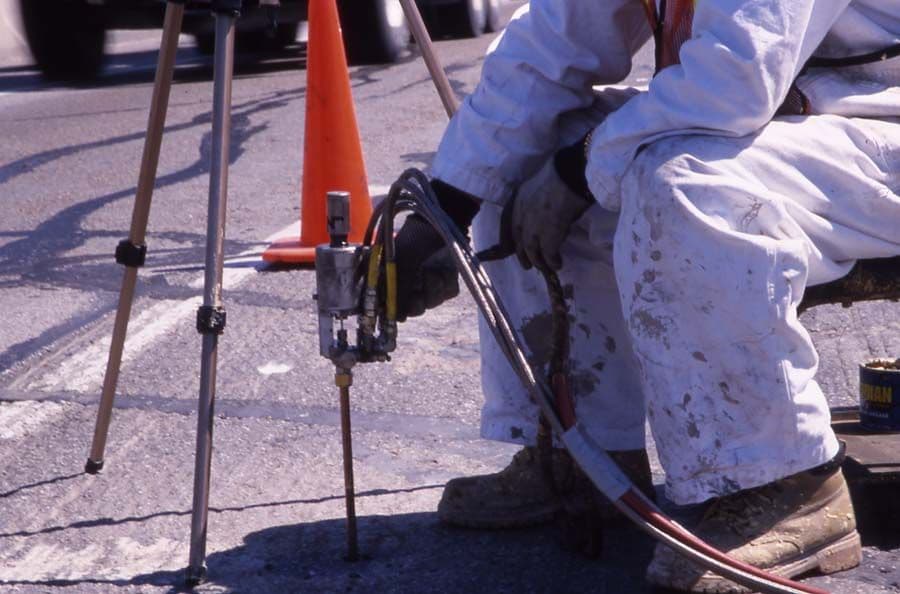
Highway agencies face a specific set of pressures that make ground engineering matter here more than almost anywhere else.

Pavement settlement and "the bump in the road" creating unsafe driving conditions at highway speeds
Subgrade instability from groundwater, erosion, or poor native soils, especially where a highway crosses a culvert or drainage structure
Traffic control and lane closures adding cost and public disruption to any repair method that requires excavation
Meeting a state DOT's own specifications and inspection standards before a repair is accepted
Weather and access constraints, extreme temperatures, remote rural routes, or narrow overnight work windows limiting when and how repairs can be performed
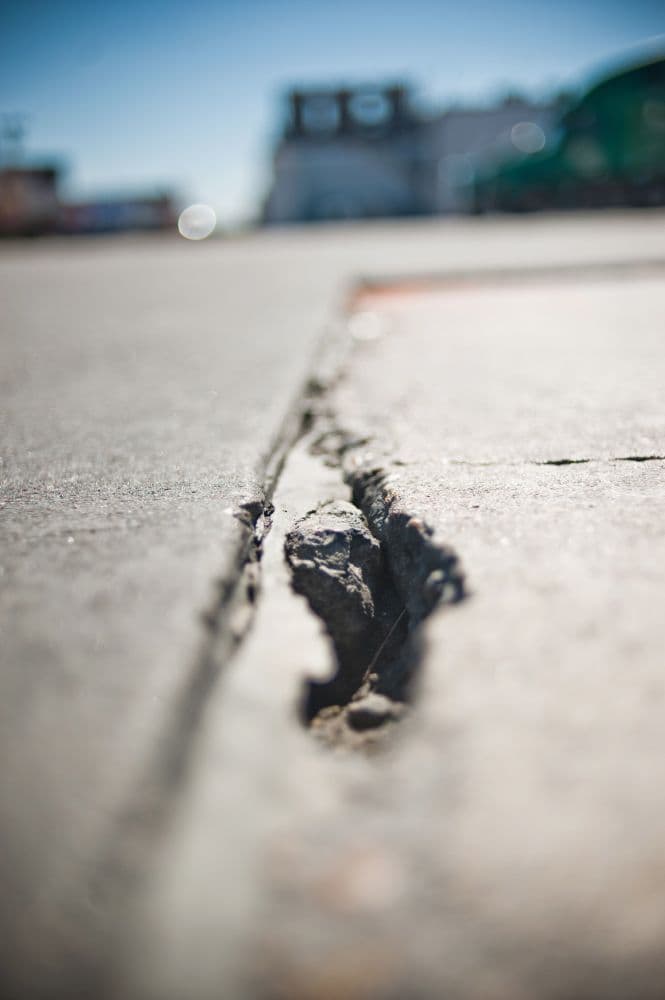
Highway infrastructure demands a fix that restores safety and ride quality without the extended closures a full reconstruction requires.
Keeps traffic moving. On the Pennyrile Parkway in Hopkinsville, Kentucky, URETEK's zero-excavation stabilization avoided closing the 71-mile route to through traffic
Engineered to the state DOT's own requirements. On the KY 583 box culvert project, the injection plan was developed as a site-specific plan addressing both the roadway pavement and the culvert floor slab, not a generic template
Restores ride quality and structural support directly by strengthening the weak subgrade, rather than resurfacing over the underlying problem
Measured in hours or days, not weeks. On an I-69 feeder road project in Sugar Land, Texas, all four settled lanes were reopened more than 24 hours ahead of the deadline set by TxDOT and the city
1
Investigation
Pavement and subgrade conditions are evaluated through inspection and testing before any repair plan is designed.
2
Planning
Injection design and sequencing are developed around the specific highway's traffic patterns and the state DOT's own requirements.
3
Access
Small-diameter injection points are installed with minimal lane closures or traffic control impact.
4
Injection
Expanding polymer is placed to stabilize subgrade soils or lift settled pavement as needed.
5
Monitoring
Real-time tracking confirms precise alignment and grade during the lift.
6
Validation
Final inspection confirms ride quality and compliance with the state DOT's own standards.
On a box culvert project on KY 583 in Kentucky, the injection plan was developed as a site-specific plan addressing both the roadway pavement and the culvert floor slab beneath it, engineered to the actual conditions found on site rather than a generic template.
On the Pennyrile Parkway in Hopkinsville, Kentucky, injections were performed in a three-dimensional grid pattern to strengthen soils down to 10 feet across a 50-foot by 30-foot work area, based on what testing showed rather than a standard depth applied everywhere.
In most cases, yes. On an I-69 feeder road project in Sugar Land, Texas, all four settled lanes were repaired and reopened more than 24 hours ahead of the deadline set by TxDOT and the city, avoiding the extended closure a full reconstruction would require.
Yes, in most cases. The Pennyrile Parkway project used zero-excavation stabilization to avoid closing the 71-mile route to through traffic, and the Sugar Land, Texas project reopened all four lanes more than 24 hours ahead of schedule.
On the KY 583 project, water traveling beneath a box culvert's floor slab caused the roadway approach and departure above it to begin settling, a pattern seen across many highway projects where a drainage structure crosses beneath the road.
Get an expert site assessment and a tailored stabilization plan.
Request a Site Assessment
URETEK
Ground improvement solutions engineered for performance.
Contact Us
Find Local Experts


13900 Humble Road, Tomball, TX 77375
Services
Solutions

 800-240-7868


