


Solutions
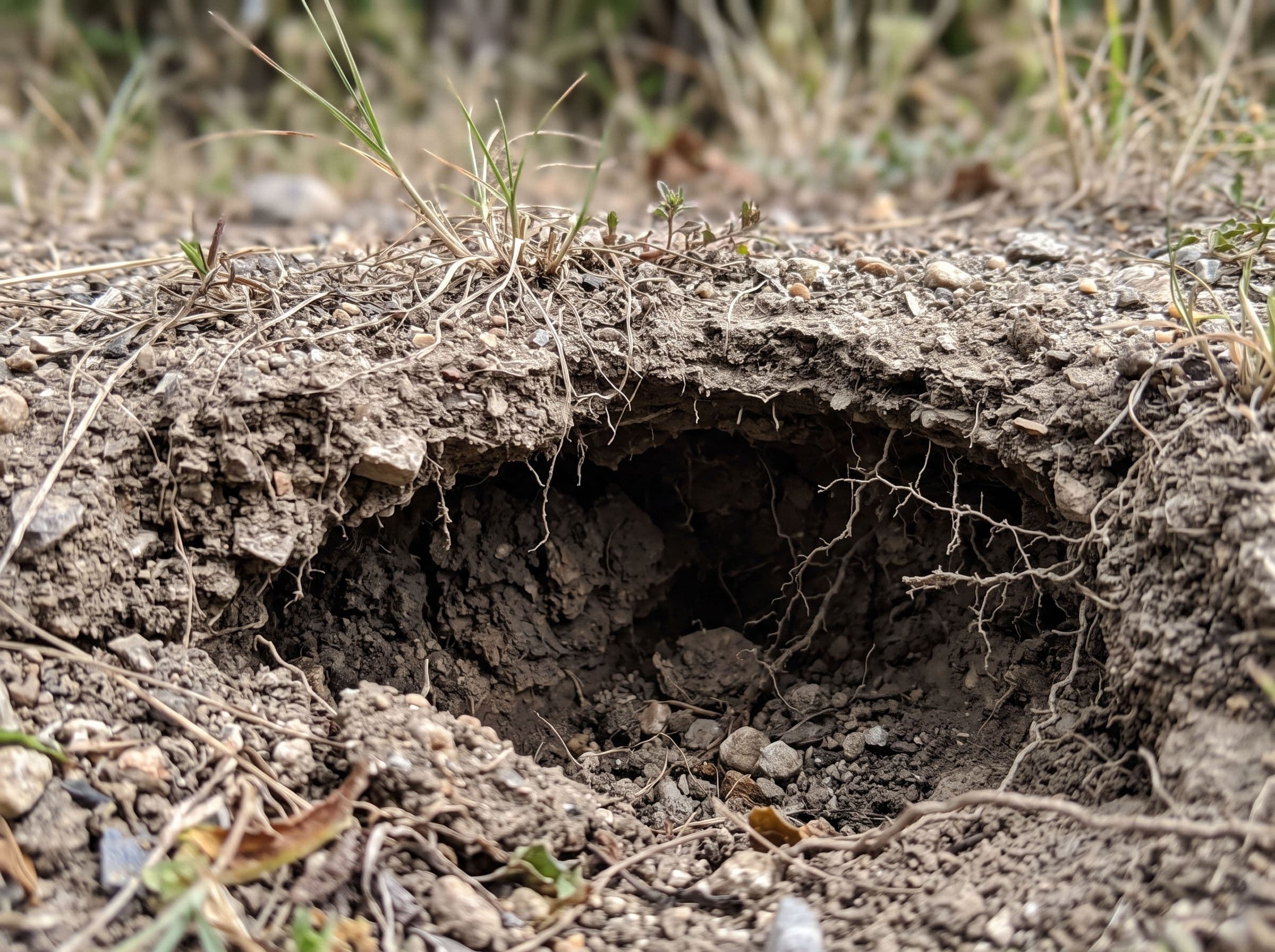
A void underground rarely announces itself right away. Soil erodes gradually, a gap forms and goes unnoticed, and only later does the ground above finally give way. This category covers four stages of that same underlying problem, ongoing soil loss, a confirmed but not-yet-surfaced void, an already-open sinkhole, and a void left behind by an old utility line, so the fix can match how far along the problem actually is.
Sinkholes
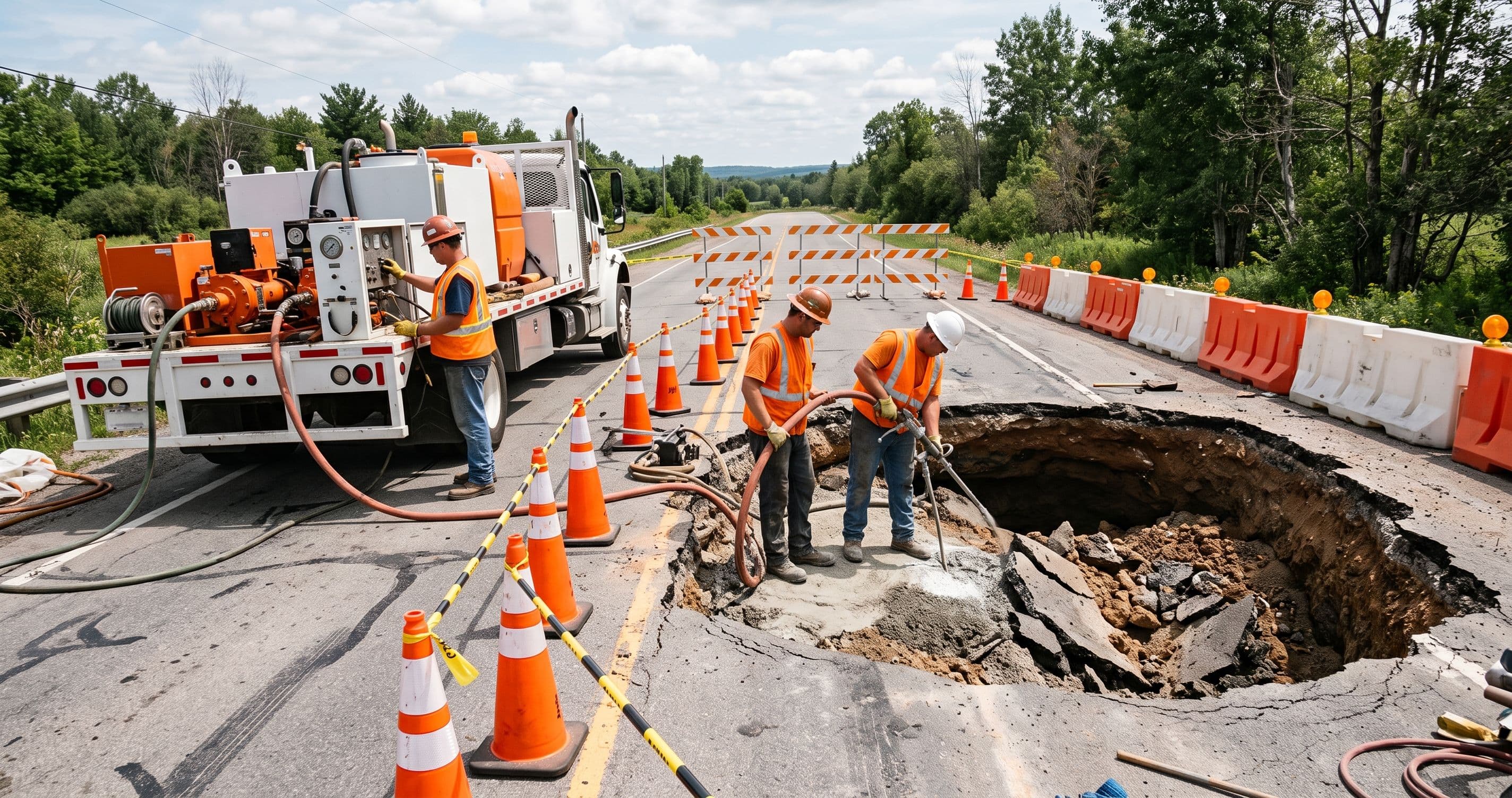
Filling a sinkhole directly with expanding polymer, mapped to its actual size and shape, without excavating the area open.
Void Formation
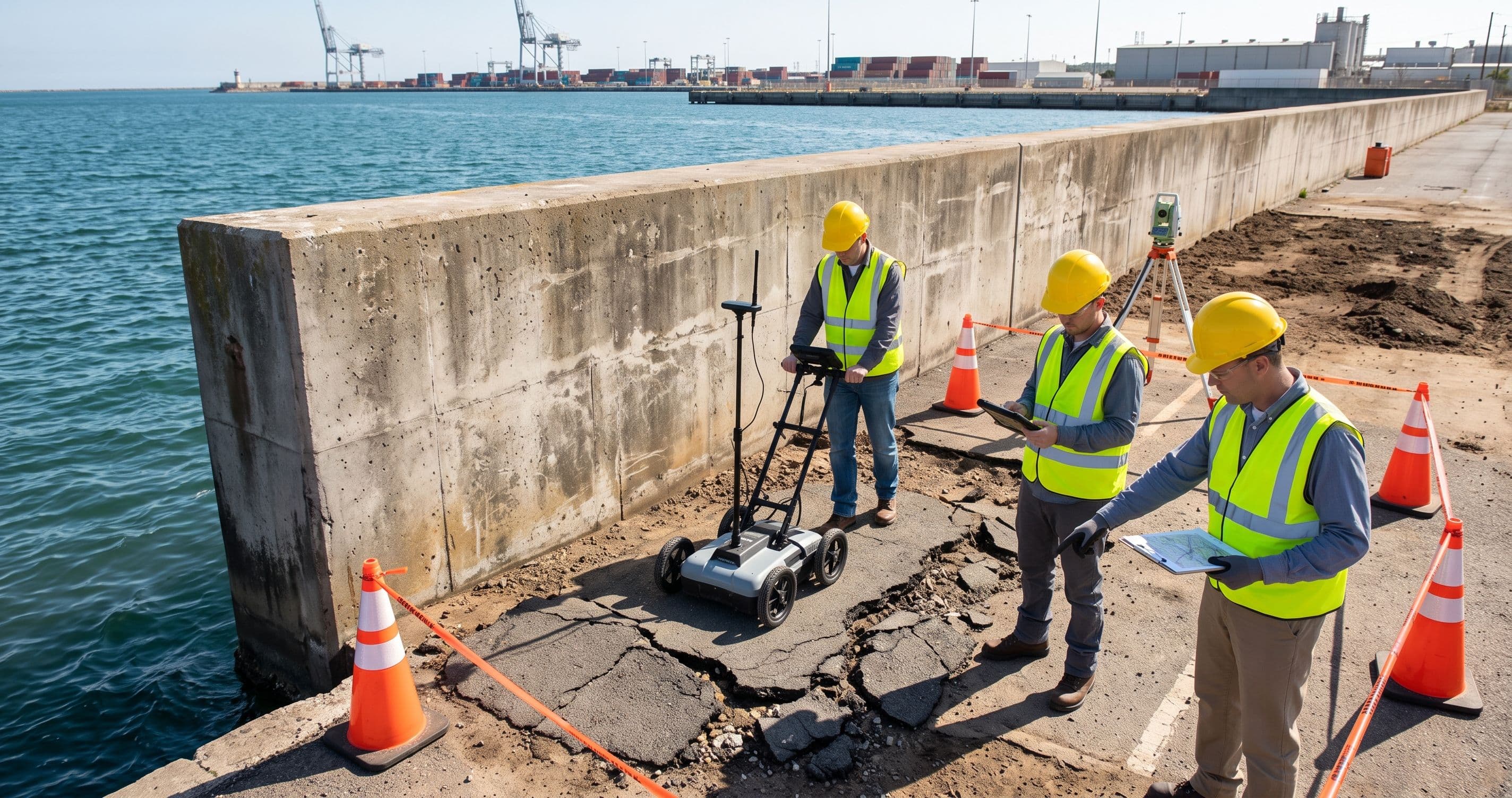
Filling a hidden underground void while it's still contained, before it grows large enough to collapse.
Soil Loss
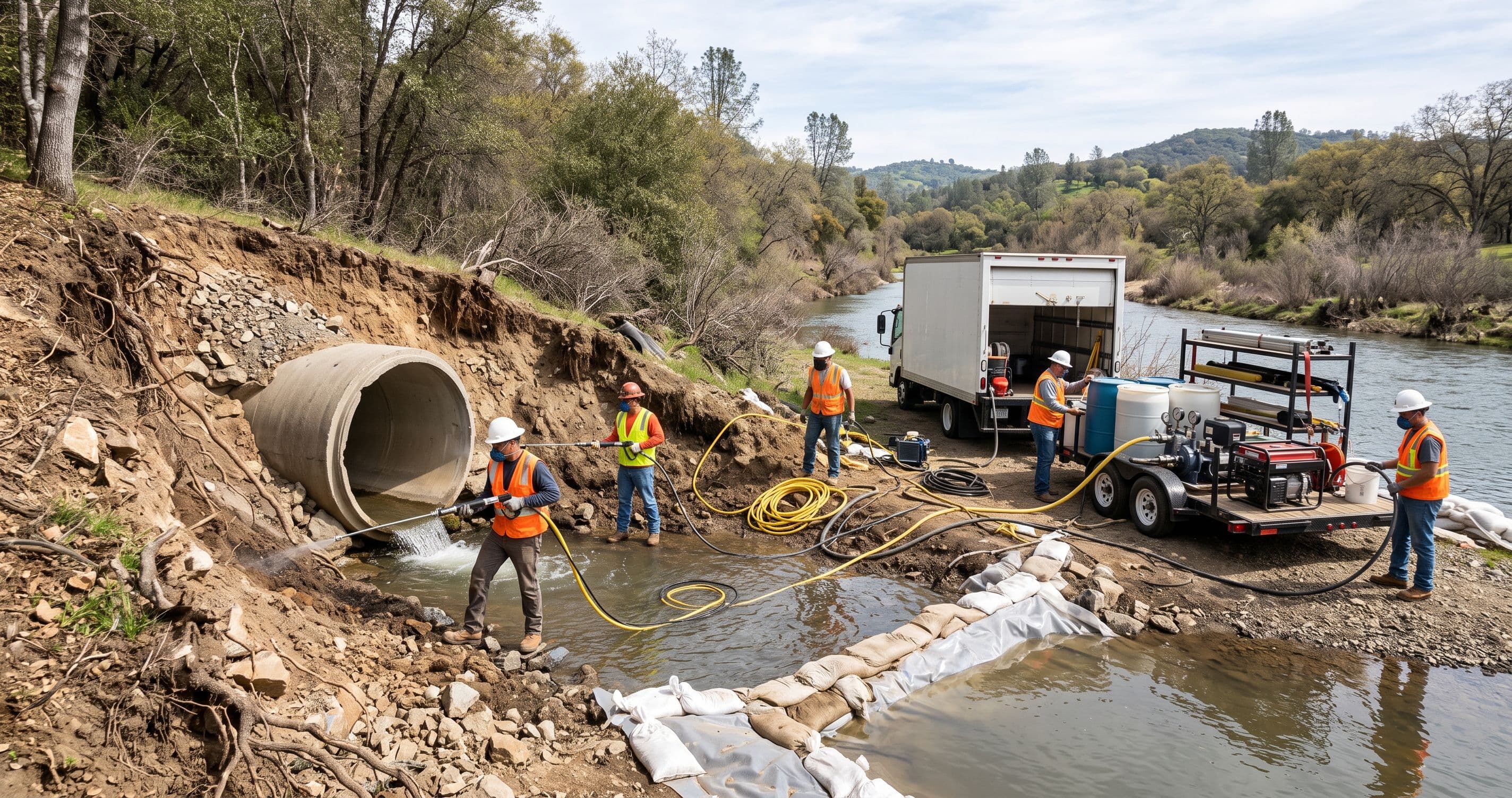
Stabilizing soil that's gradually eroding or migrating away in place, stopping it before it becomes an empty space underground.
Abandoned Utility Voids
Filling the hidden void left behind by an old, decommissioned utility line, without needing to locate or expose the line itself.
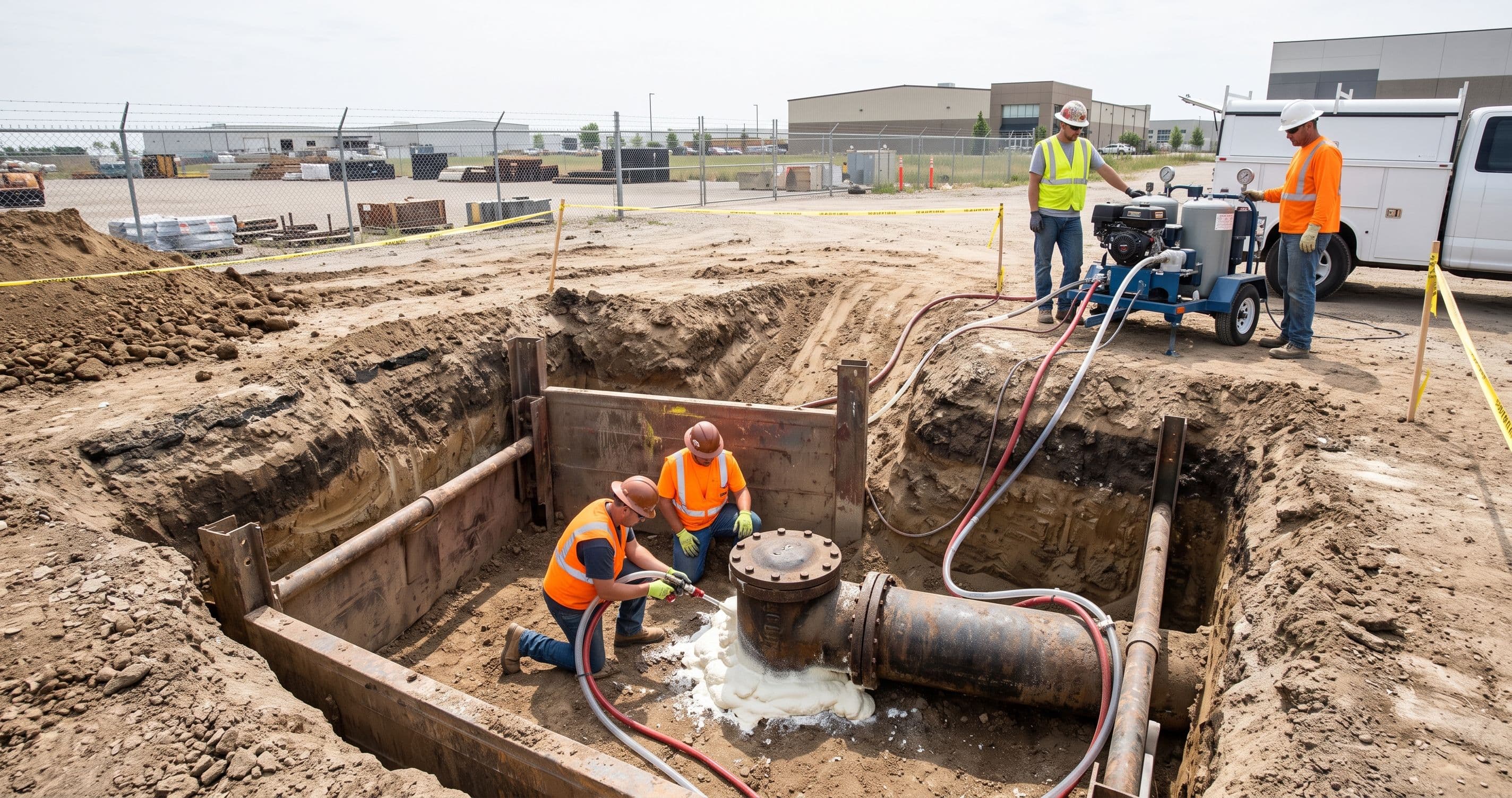
Every repair starts with confirming the actual size and location of the void, not guessing from the surface symptom.

Investigation: Voids are confirmed through inspection, testing, or a dive survey where needed, mapping the actual size and location before any repair plan is designed, not guessed from the surface symptom.
Planning: The injection pattern is engineered around the confirmed void, or the erosion path that's creating one, so the fix addresses the full extent of the problem rather than just the visible spot.
Access: Small-diameter injection points fill the void or densify the surrounding soil without excavation, keeping the road, structure, or site above usable during the work.

It comes down to how far along the problem is. Soil that's actively eroding without a confirmed void yet points to Soil Loss. A void that's been detected or suspected, but hasn't reached the surface, points to Void Formation. Ground that's already collapsed into an open hole points to Sinkholes. A void specifically tied to an old or decommissioned utility line points to Abandoned Utility Voids. Each detail page also includes an "Is This Your Problem?" section to help confirm the right fit.
Voids are often found through inspection rather than by sight, a hollow sound underfoot, a recurring pavement dip that keeps needing minor repairs, or a dive survey behind a wall or bulkhead. Catching a void before it surfaces is usually far less disruptive than waiting for a collapse.
In most cases, yes. Catching a void early generally avoids the emergency response, traffic control, and larger repair footprint a full collapse requires later, since the fix can be planned rather than reactive.
Yes, in nearly every case. URETEK's injection process fills a void directly through small access points, expanding to match the void's actual shape rather than requiring the area to be dug open first.
No. A void can come from water washing soil into a failing pipe, an old mine shaft or utility line left behind decades ago, or simple erosion along a bank or culvert. Identifying the actual cause is what determines which of the four Solutions in this category applies.
Tell us what you're seeing, and we'll help you find the right fix.
Request an Assessment
URETEK
Ground improvement solutions engineered for performance.
Contact Us
Find Local Experts


13900 Humble Road, Tomball, TX 77375
Services
Solutions

 800-240-7868

