

Solutions
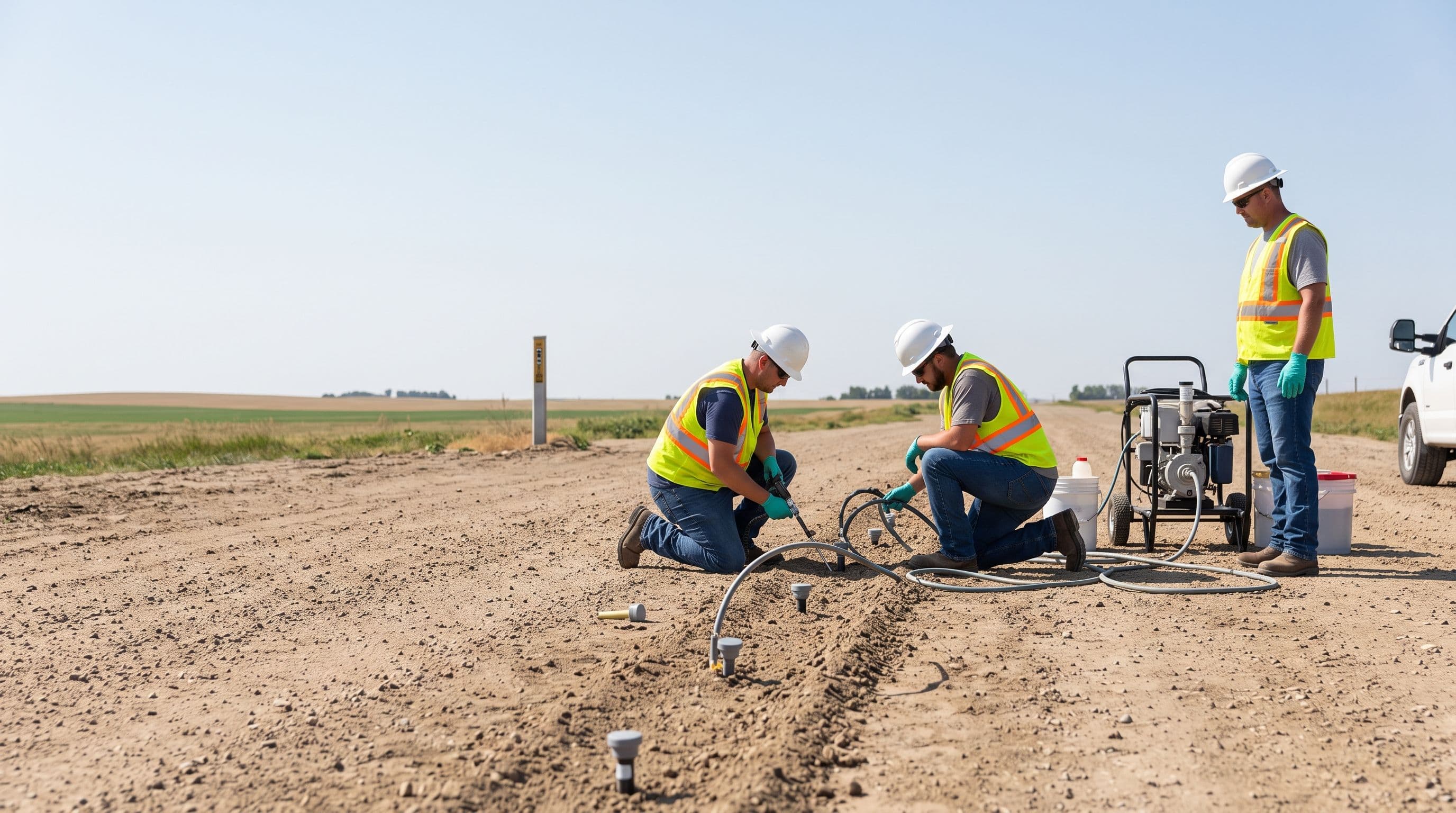
A pipeline or utility line doesn't stop needing ground support once it's buried. Soil around it can settle, a trench can become a channel for erosion, and a planned installation can run into conditions that make conventional methods harder than expected. This category covers three ways URETEK supports underground utility infrastructure, whether it's already in the ground or still being planned.
Pipeline Stabilization
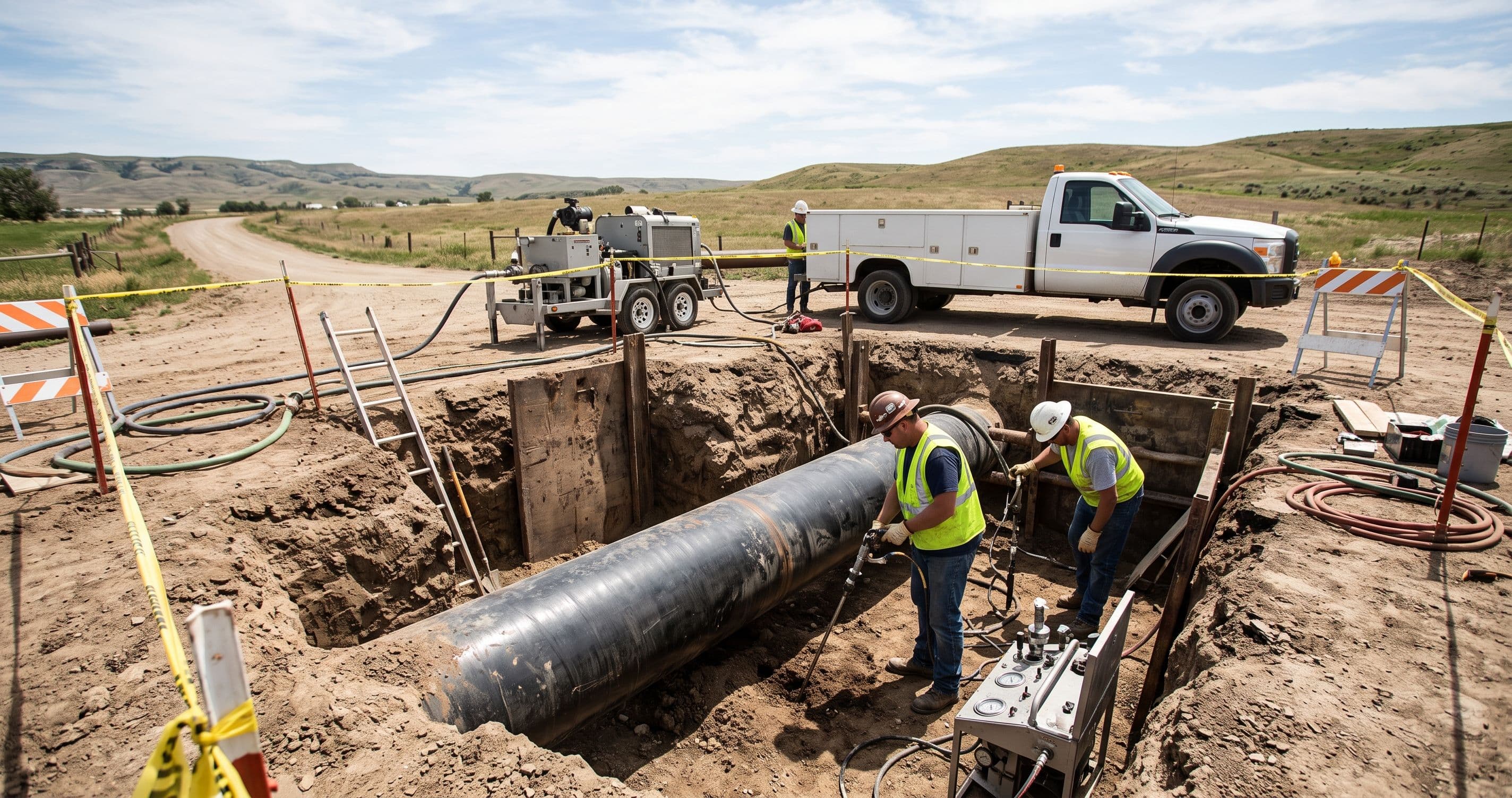
Restoring soil support directly beneath an underground pipeline that has lost its original bedding, without excavating it open.
Utility Void Filling
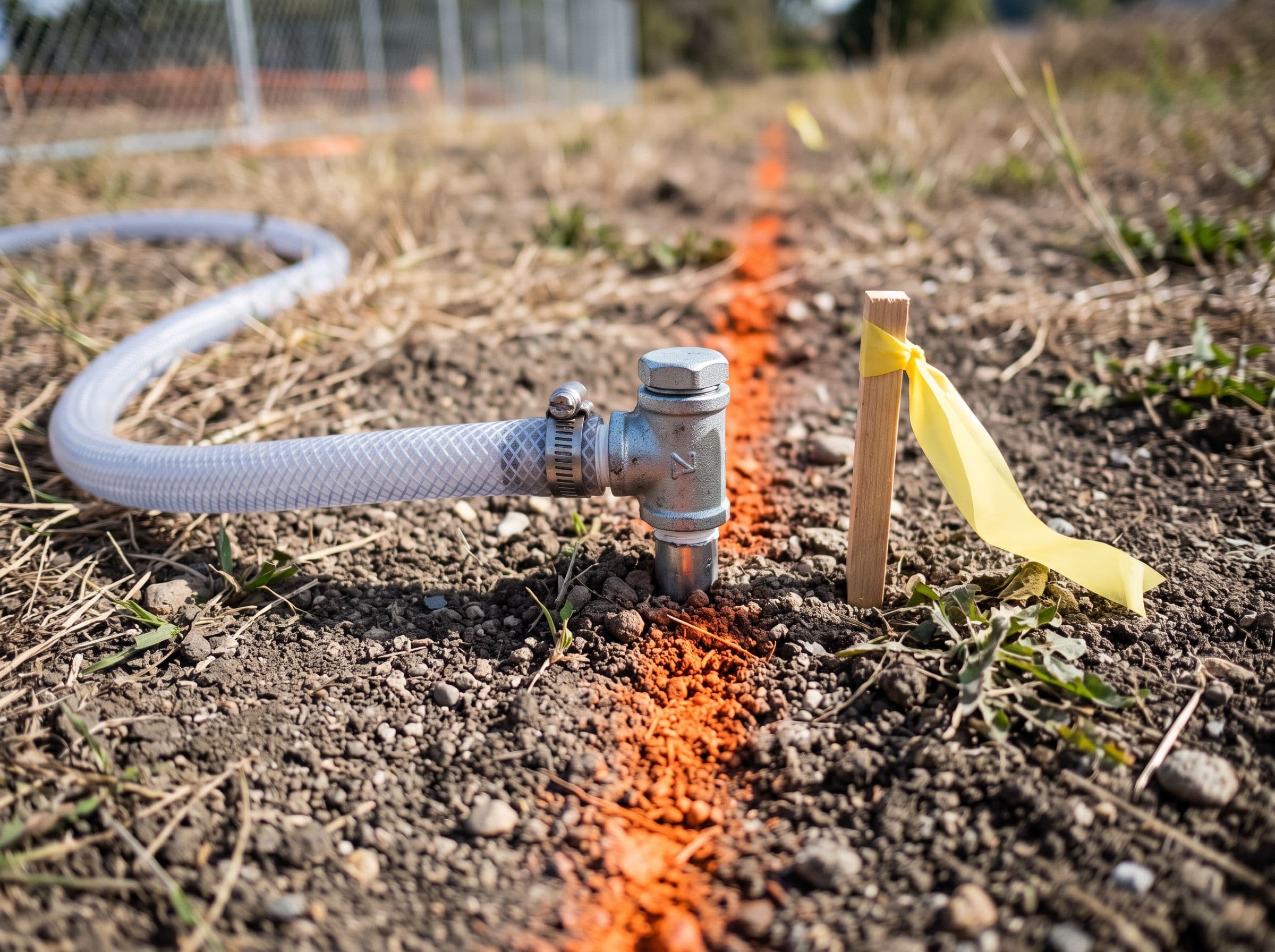
Filling a void that has formed along an active utility trench route, from settled backfill or trench-driven erosion, without reopening the trench.
Trenchless Utility Support
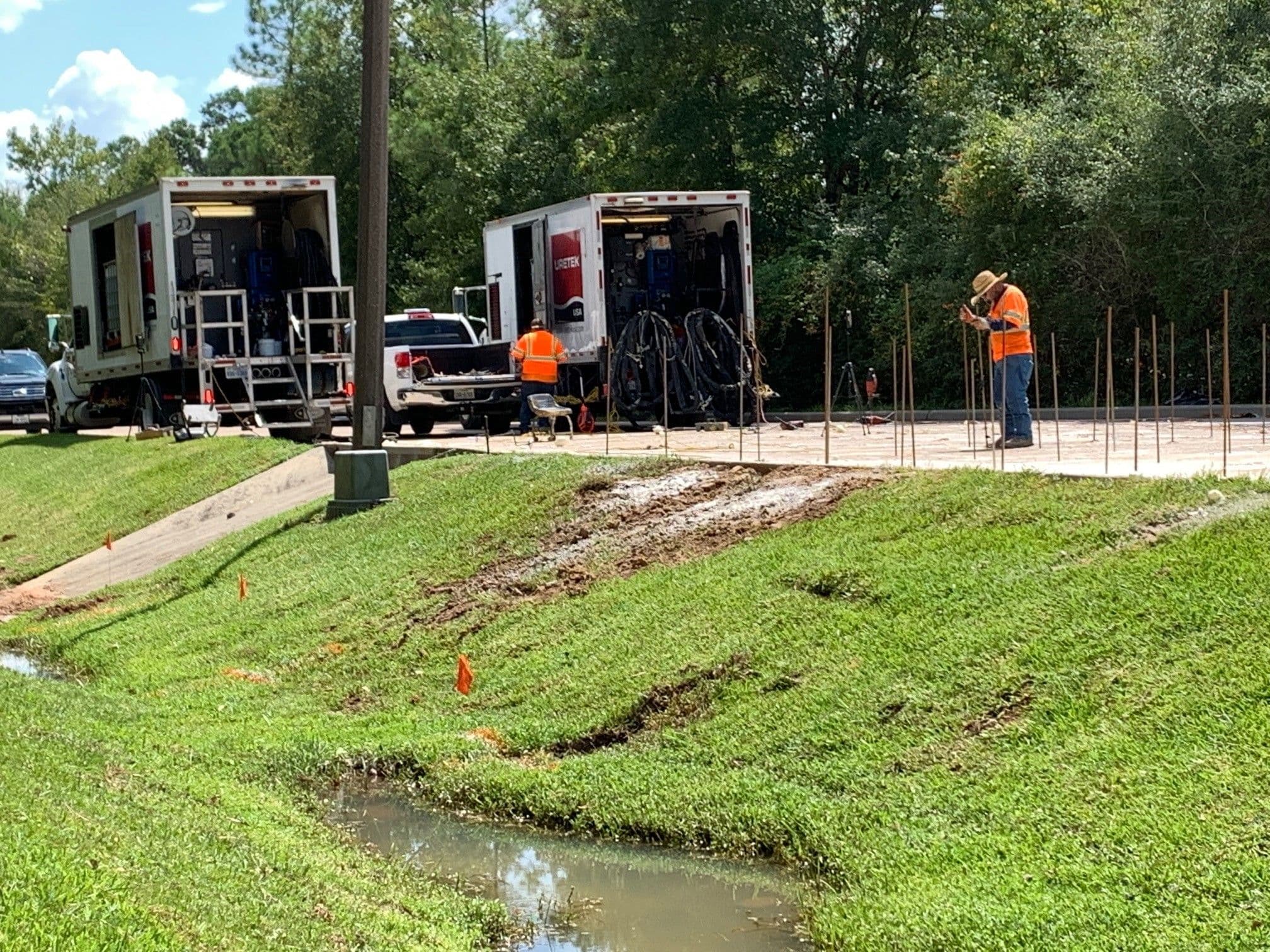
Stabilizing soil around a planned or active trenchless utility installation, giving jack-and-bore or directional drilling the ground support it needs to proceed.
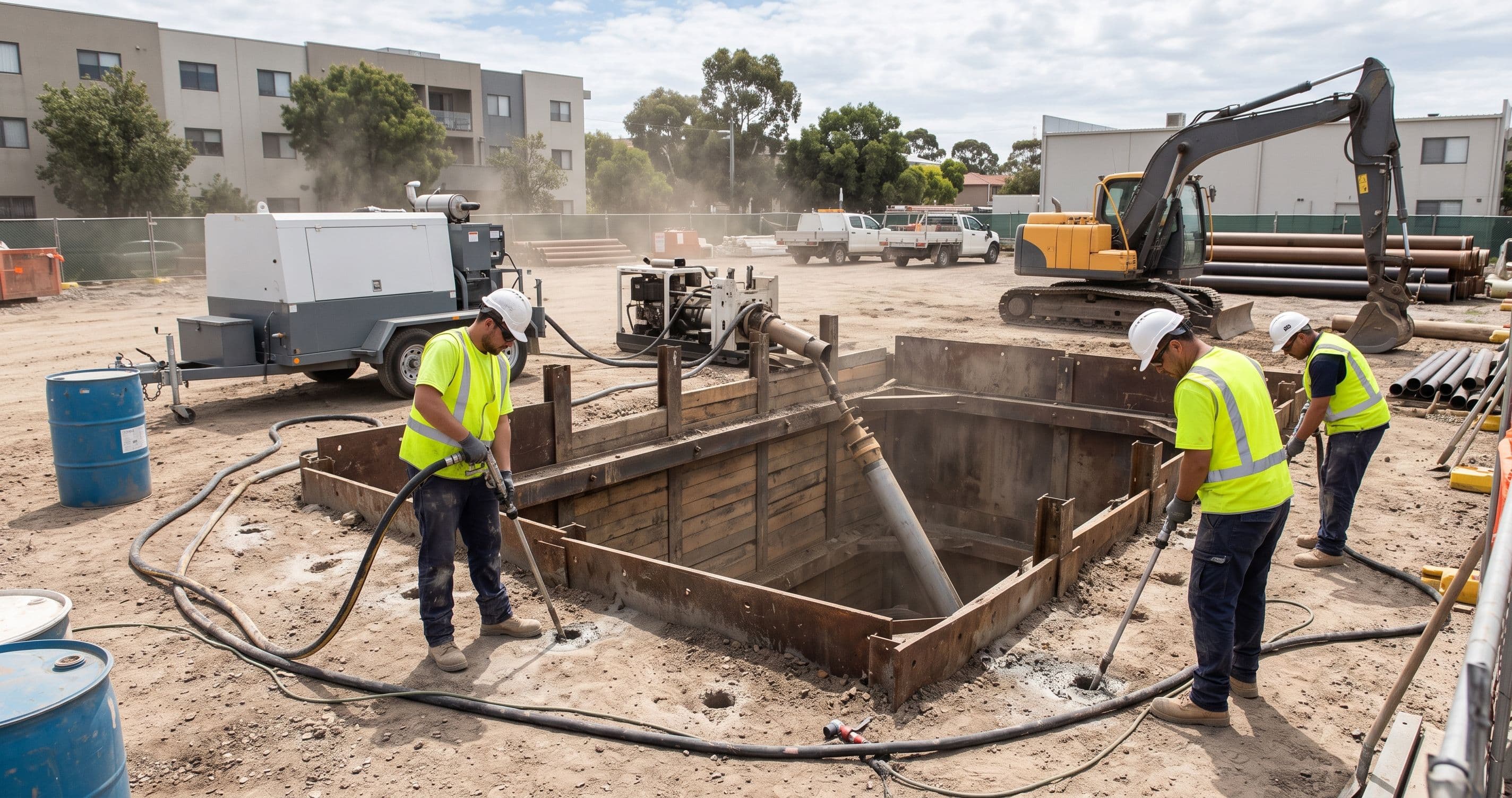
Every plan starts with confirming the extent of lost support or the site conditions involved, not a standard approach applied regardless of setting.

Investigation: The extent of lost support, a void, or a soil condition affecting planned work is confirmed through inspection or testing before any injection plan is designed.
Planning: The injection approach is engineered around the specific utility infrastructure involved, whether that's an existing pipeline's structural span, a settled trench, or ground conditions along a planned trenchless route.
Access: Work is performed through small access points around the utility line or trench, without excavating it open or interrupting service.
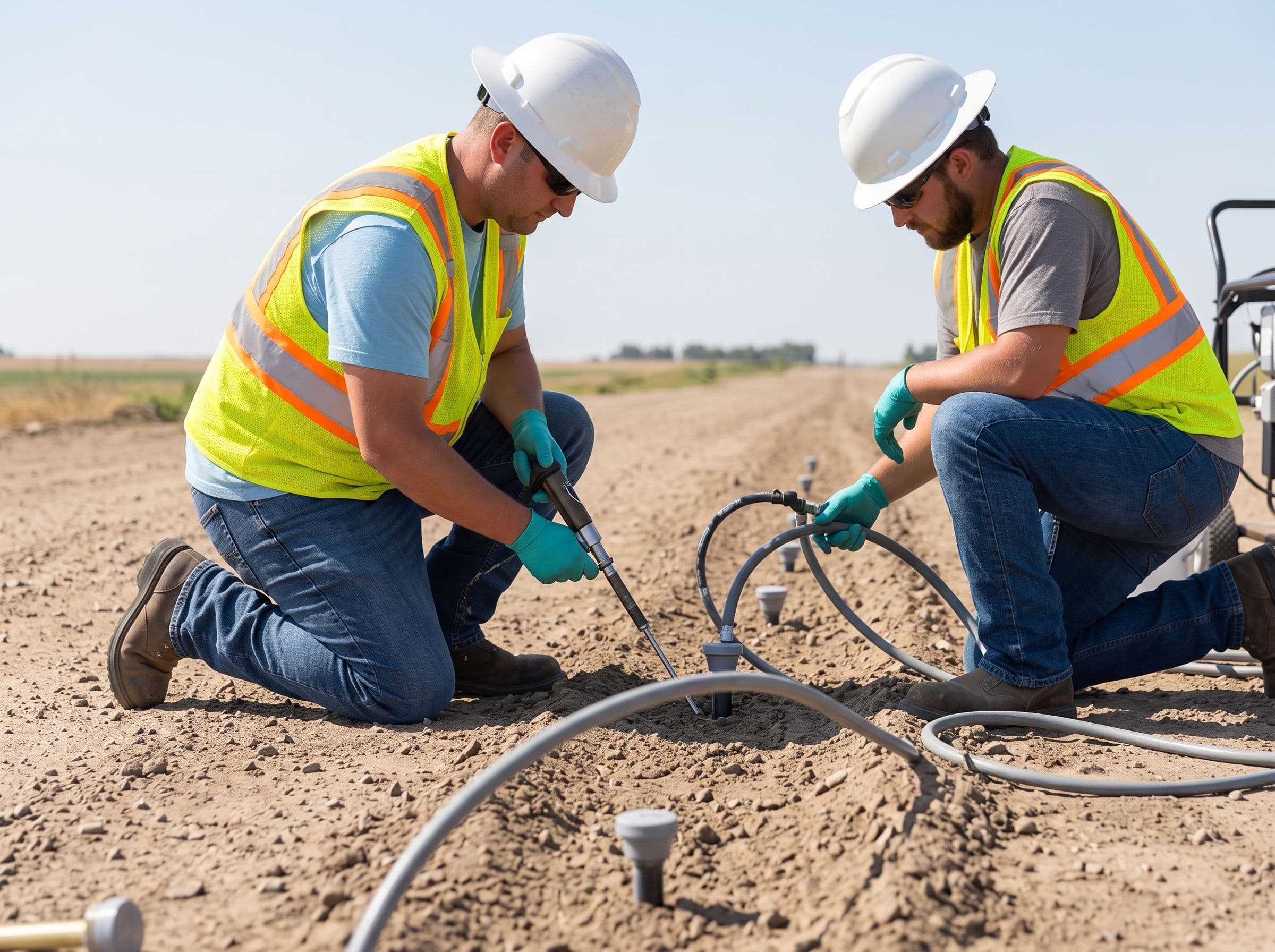
It depends on what's actually involved. An existing pipeline that has lost soil support along its length points to Pipeline Stabilization. A void that's formed around or along a utility trench, from settled backfill, points to Utility Void Filling. Ground conditions threatening to complicate a planned trenchless installation, before any work has gone wrong, points to Trenchless Utility Support. Each detail page also includes an "Is This Your Problem?" section to help confirm the right fit.
No. Trenchless Utility Support in particular applies during project planning, before ground is even broken, when soil conditions are known to threaten a planned trenchless or jack-and-bore installation.
In most cases, yes, since the injection approach works through small access points rather than requiring the utility line or trench to be excavated open and rebuilt.
In most cases, yes. Work is performed from access points around the pipeline or trench rather than requiring the line itself to be taken out of service.
The pipe and the ground around it are two different things. Backfill in a trench is often less dense than the undisturbed soil around it, which means the trench itself can settle or channel water even when the utility line running through it hasn't failed.
Tell us what you're seeing, and we'll help you find the right fix.
Request an Assessment
URETEK
Ground improvement solutions engineered for performance.
Contact Us
Find Local Experts


13900 Humble Road, Tomball, TX 77375
Services
Solutions

 800-240-7868

