

Solutions
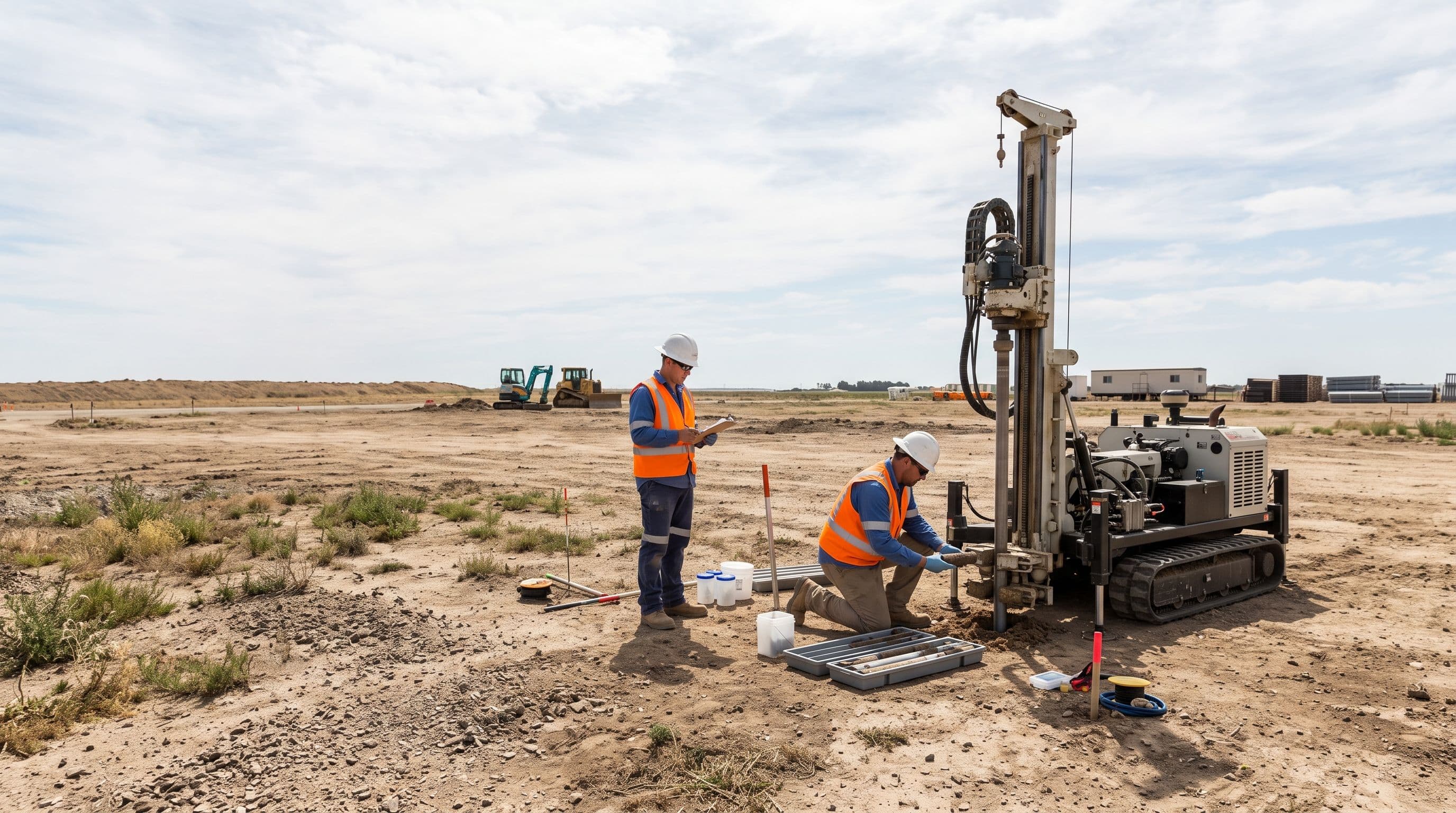
Not every problem shows up as visible damage first. Sometimes it's a bearing capacity that testing shows is too low for what's planned, sand that's never been compacted, soil in a seismic zone that hasn't been evaluated for liquefaction risk, or geology that's simply more prone to erosion than the rest. This category covers four underlying ground conditions, addressed at the site level, often before they turn into settlement, a void, or worse.
Weak Soils
Increasing bearing capacity directly in weak or low-strength soil through polymer injection, before it fails under the load it's carrying.
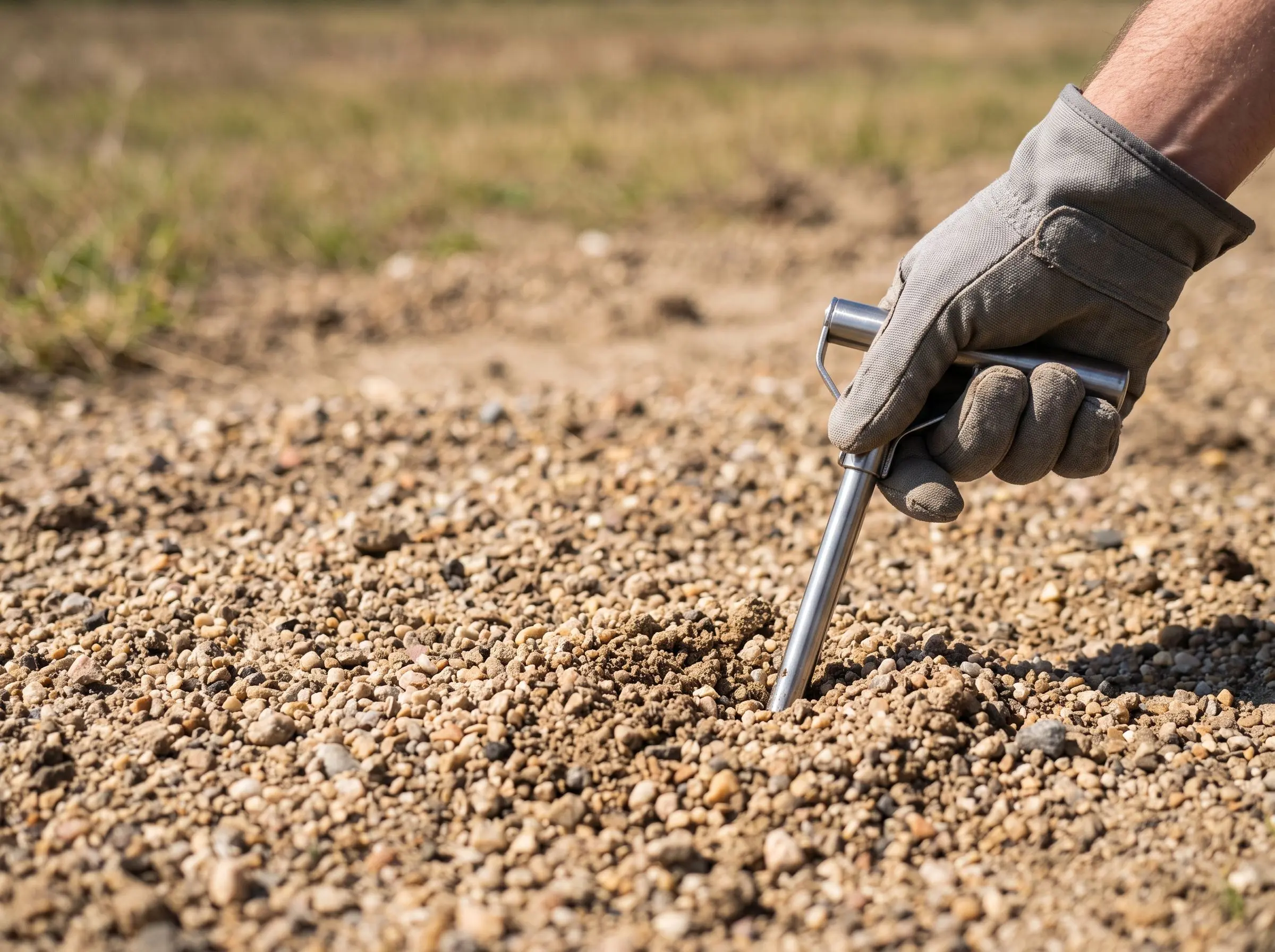
Loose Sands
Densifying loose, water-deposited sand directly in place through polymer injection, without excavating or replacing it.
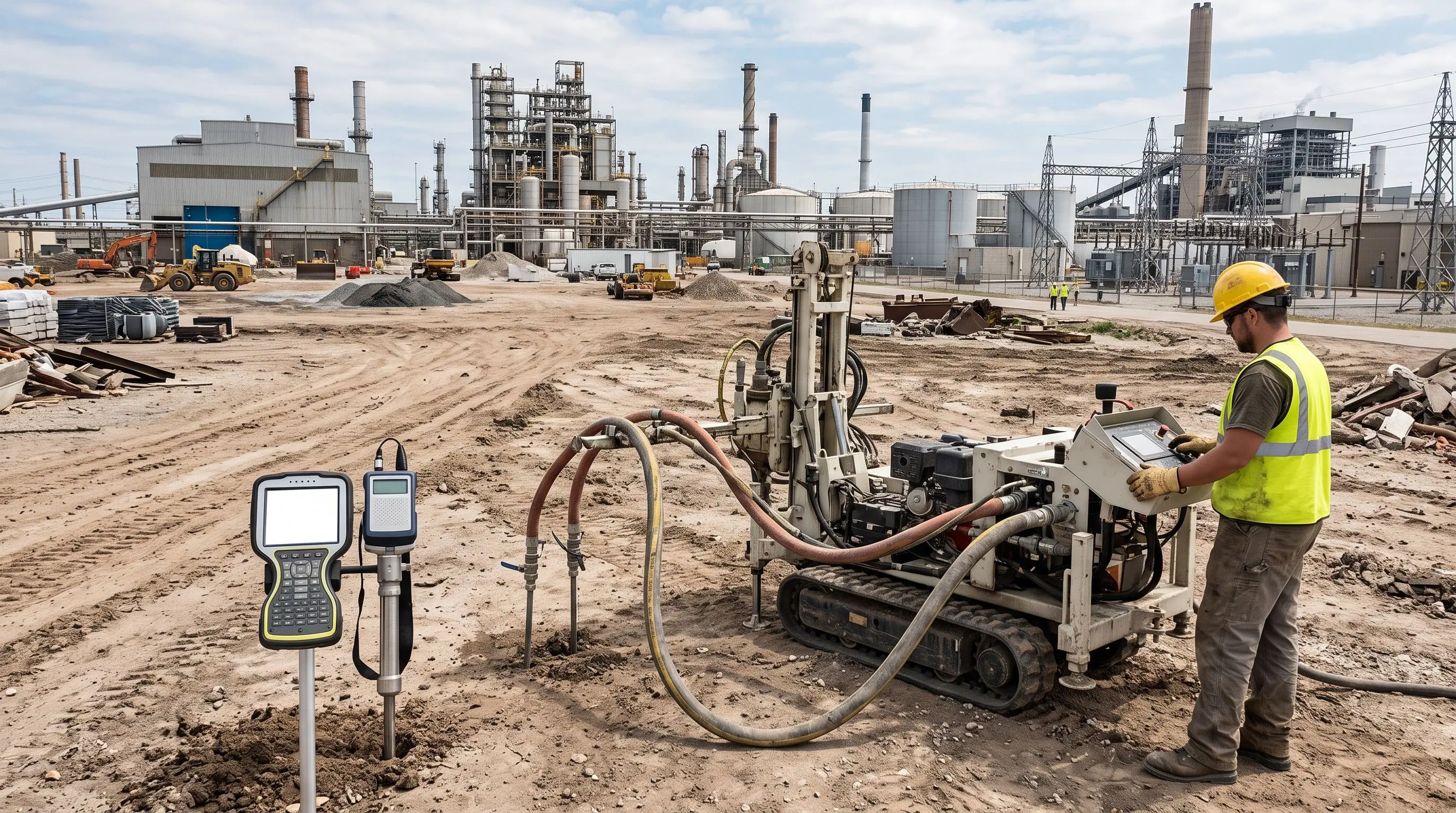
Liquefaction Risk
Densifying loose, saturated, liquefaction-susceptible soil in place through polymer injection, before a seismic event puts it to the test.
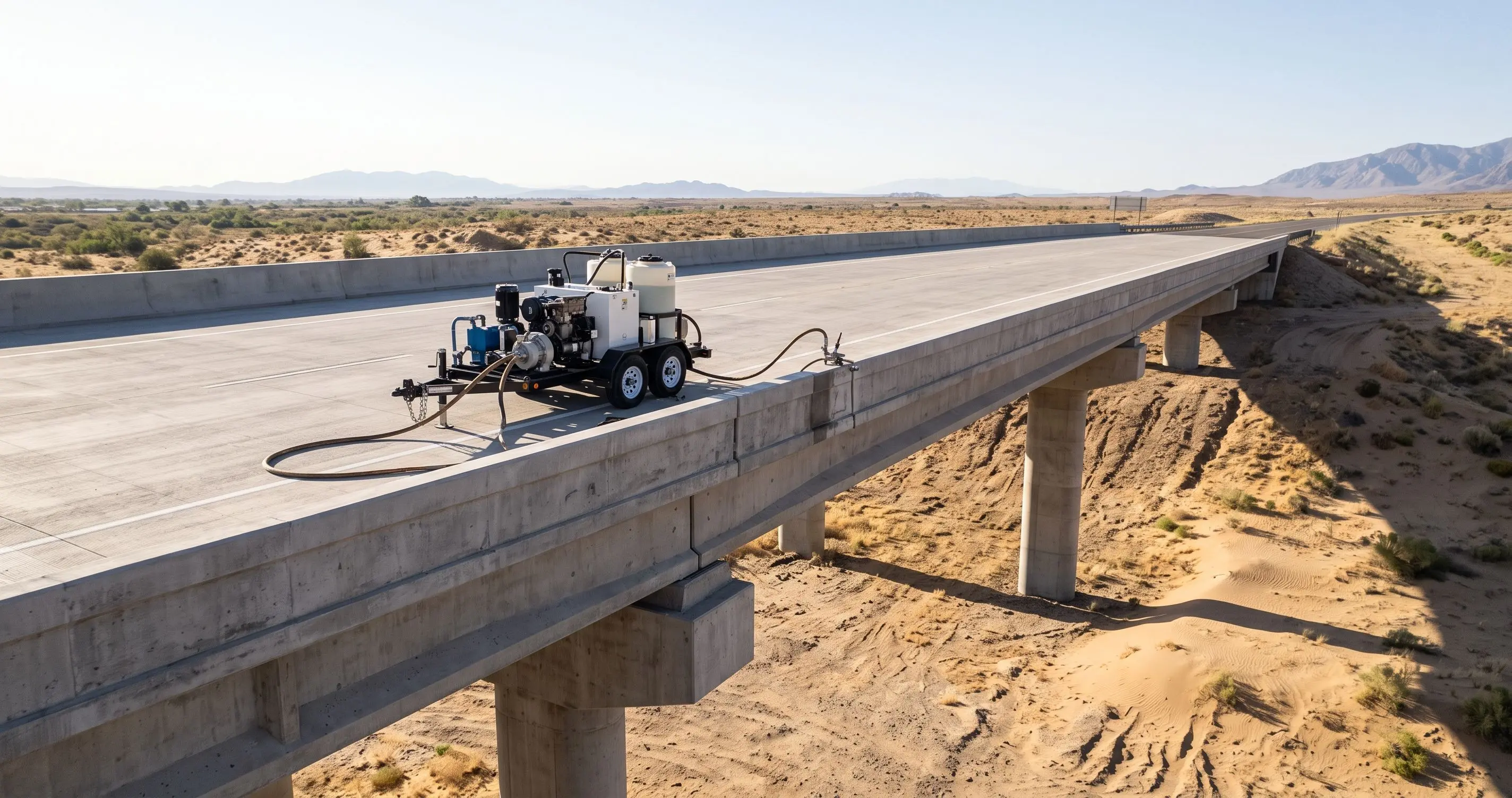
Erosion Voids
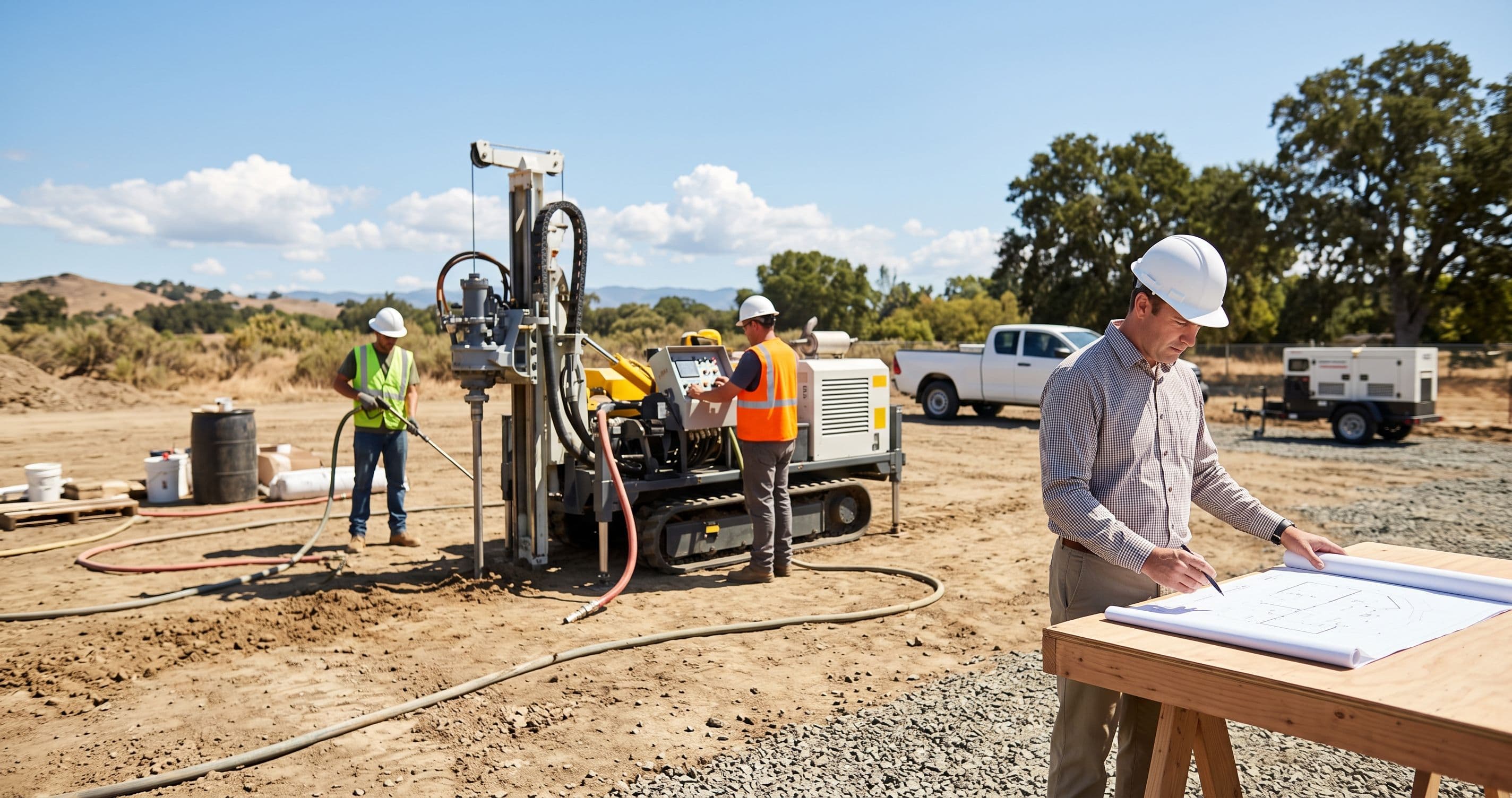
Addressing erosion-prone ground conditions at the site level, filling confirmed voids and strengthening surrounding soil before another void forms.
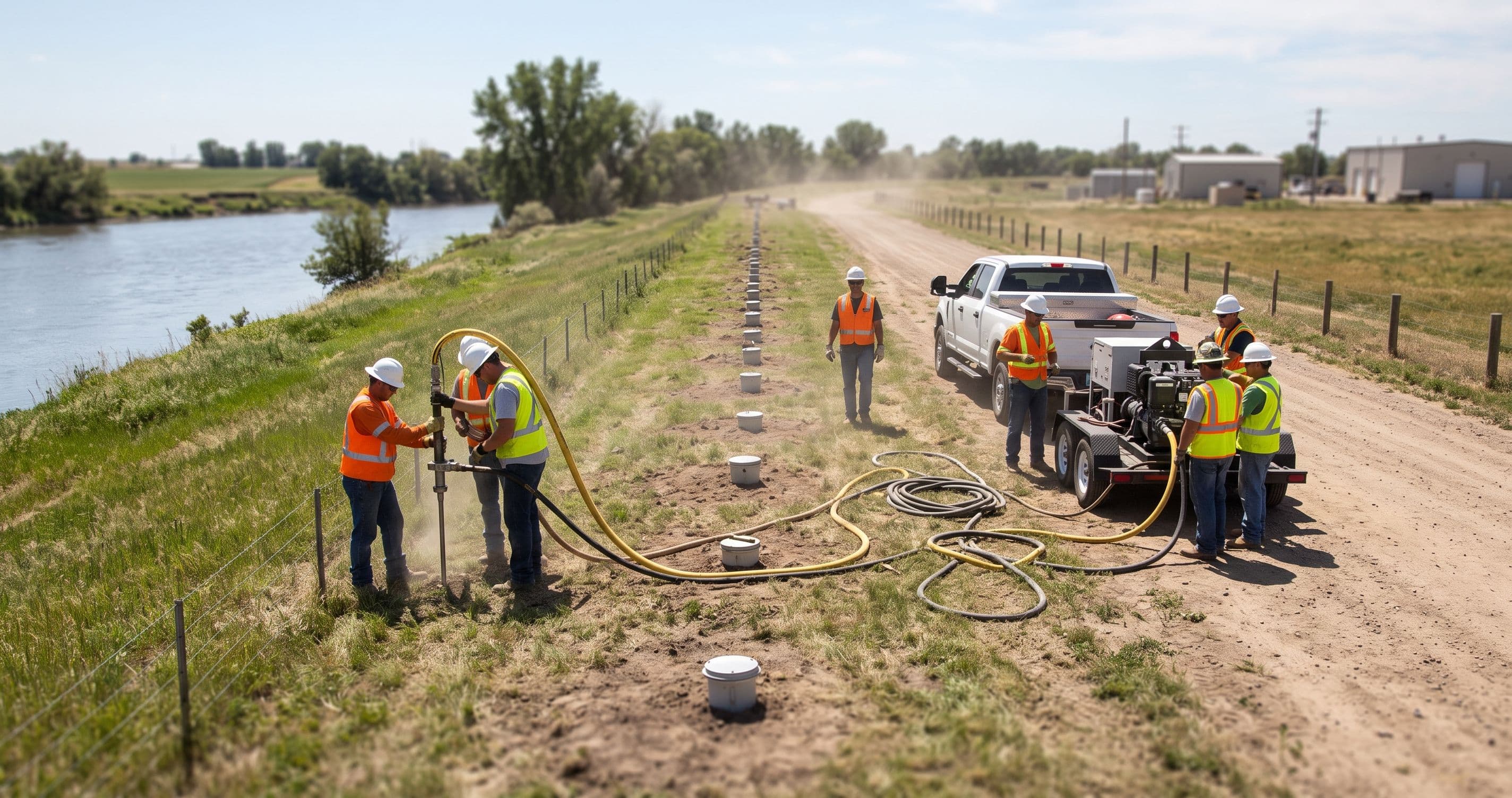
Every treatment plan starts with confirming what testing actually shows, not applying a standard approach regardless of site.

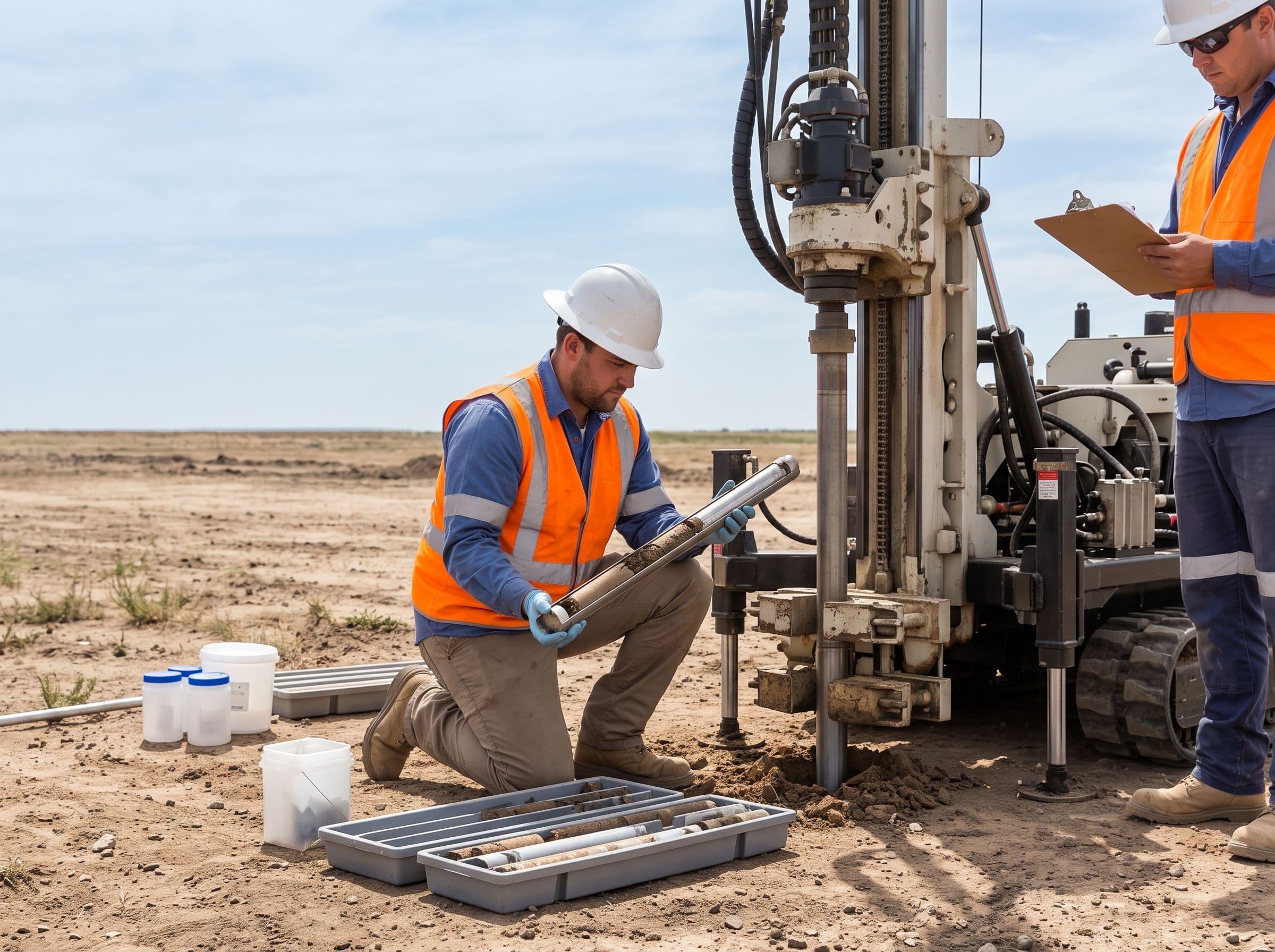
Investigation: Soil density, bearing capacity, and composition are confirmed through testing before any treatment plan is designed, whether the concern is load capacity, seismic risk, or erosion-prone geology.
Planning: The injection target, whether that's a specific footing, a stretch of sand, or a broader erosion-prone area, is engineered around what testing actually shows, not applied as a standard approach regardless of site.
Access: Treatment is delivered through small-diameter injection points, often while a site remains in active use, rather than requiring excavation or a full ground rebuild.
It depends on what testing or assessment has actually found. A general bearing-capacity shortfall points to Weak Soils. Sand specifically that hasn't been compacted points to Loose Sands. A seismic hazard assessment flagging liquefaction susceptibility points to Liquefaction Risk. A site with erosion-prone geology, like karst terrain, points to Erosion Voids. Each detail page also includes an "Is This Your Problem?" section to help confirm the right fit.
No. Several of the Solutions in this category apply before any visible settlement or damage has occurred, based on geotechnical testing, seismic hazard mapping, or a known site history, rather than waiting for symptoms to appear.
In most cases, yes. Addressing a bearing-capacity shortfall, loose sand, or erosion-prone geology directly is typically far less disruptive and costly than the emergency repair, settlement correction, or reconstruction that can follow if the same condition is left unaddressed.
In most cases, yes. URETEK's injection process increases soil density or bearing capacity in place, through small access points, rather than requiring the soil to be removed and replaced.
Soil composition, water table, seismic zone, and how the ground is currently used all affect which fix applies. A geotechnical assessment specific to the site is what determines the right approach, not a one-size-fits-all method applied regardless of local conditions.
Tell us what testing has shown, and we'll help you find the right fix.
Request an Assessment
URETEK
Ground improvement solutions engineered for performance.
Contact Us
Find Local Experts


13900 Humble Road, Tomball, TX 77375
Services
Solutions

 800-240-7868

