


Services
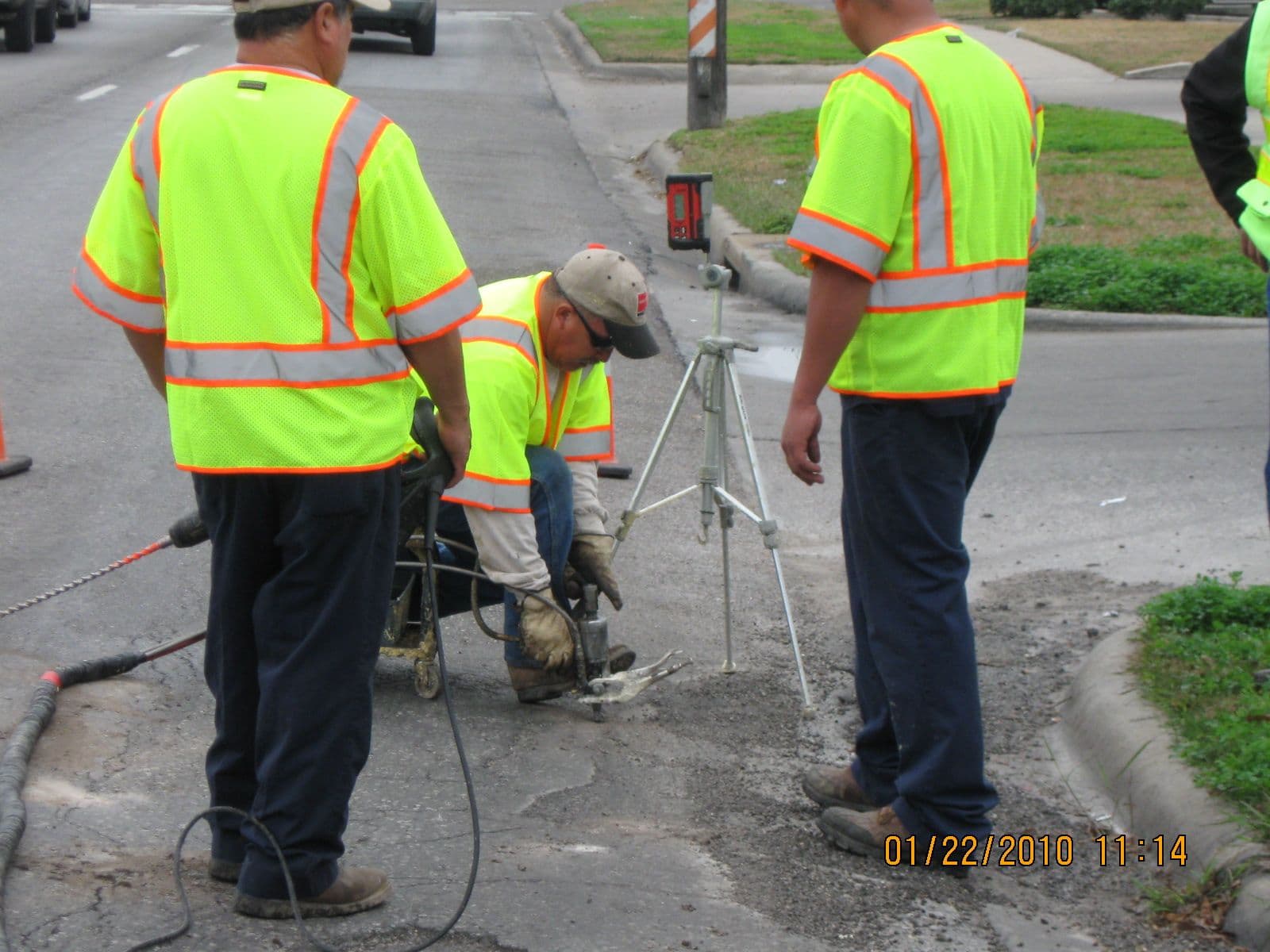
Every structure, road, and tank is only as stable as the soil underneath it. When that soil is weak, loose, or eroded, no amount of work on the surface fixes the real problem. URETEK's Ground Improvement services reinforce soil directly, through polymer injection, without excavation, restoring the bearing capacity a project actually needs.
Settlement, sinkholes, tilted tanks, and cracked pavement all trace back to the same root cause: soil that can no longer carry the load above it. Left alone, the problem only grows.

Roads, runways, and pavement settling or cracking under repeated traffic loads
Foundations, tanks, and heavy equipment pads losing bearing capacity as soil beneath them weakens
Loose or saturated soils at risk of liquefaction during seismic events
Underground voids forming from erosion, old utility lines, or decayed infrastructure
Our Services
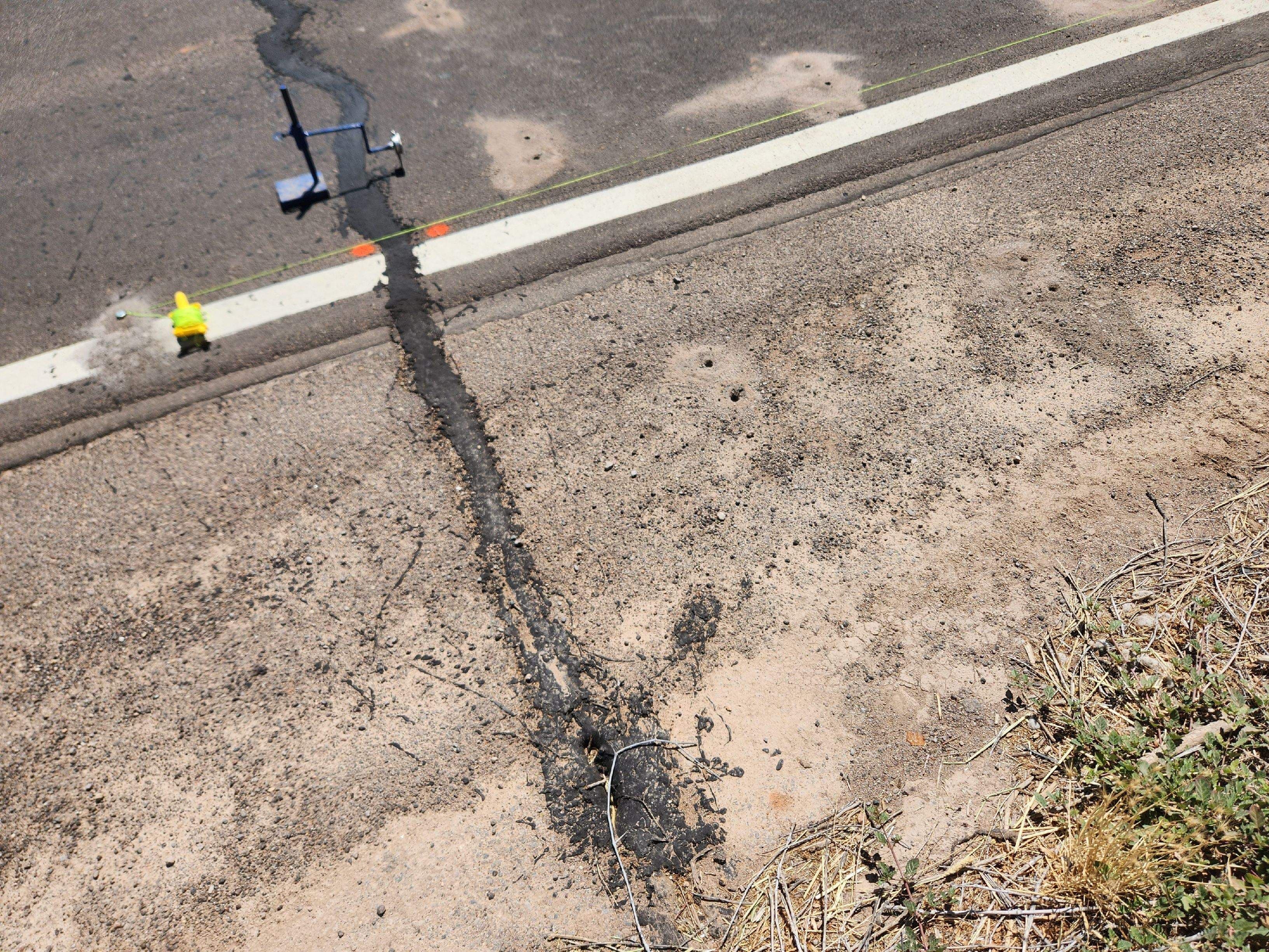
Increasing the load-bearing capacity, density, and stiffness of weak in-situ soil in place, without excavation.
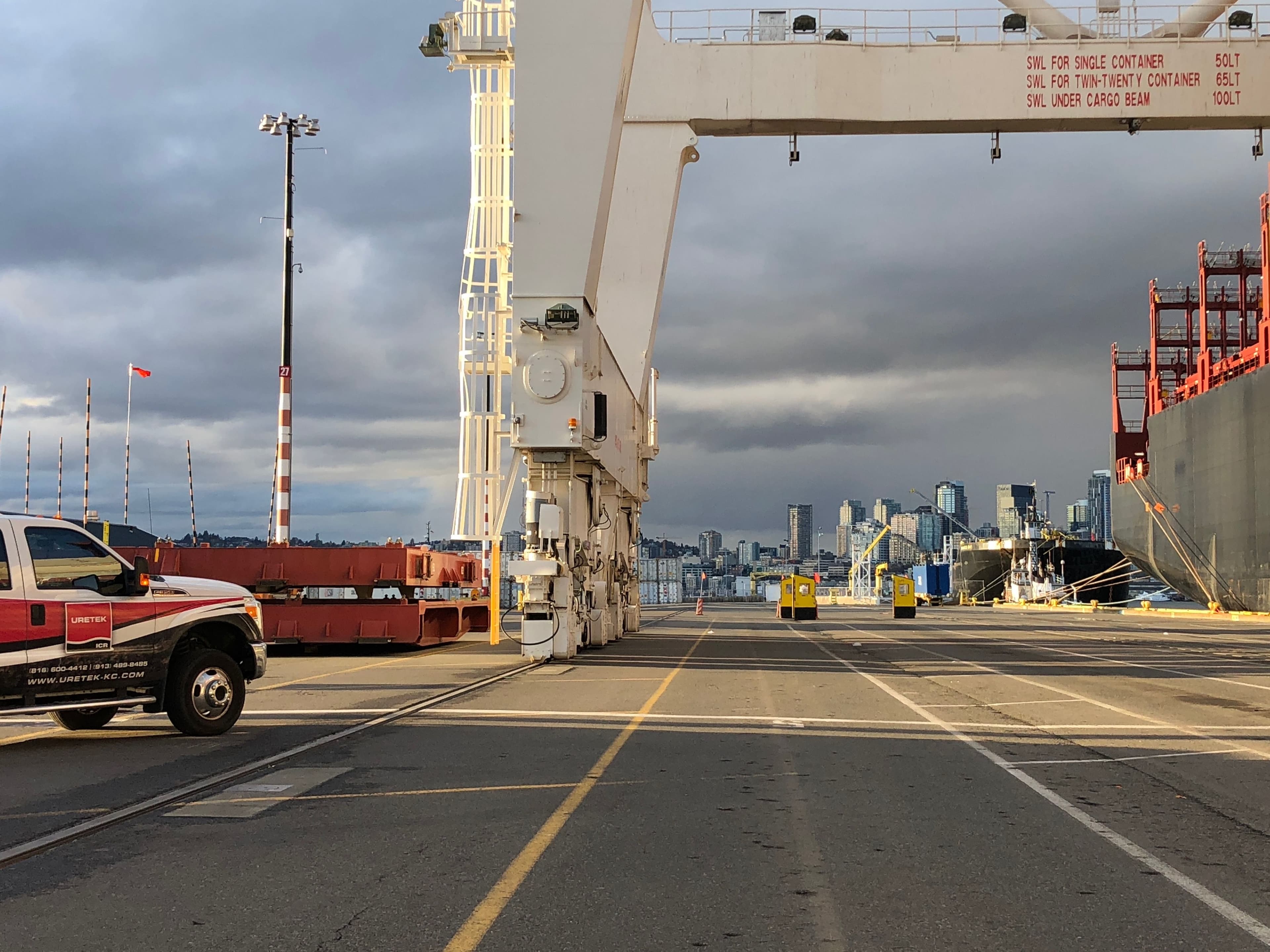

Increasing the density and bearing capacity of loose or granular soil in place, by injecting a stiff polymer that displaces and compacts surrounding particles.
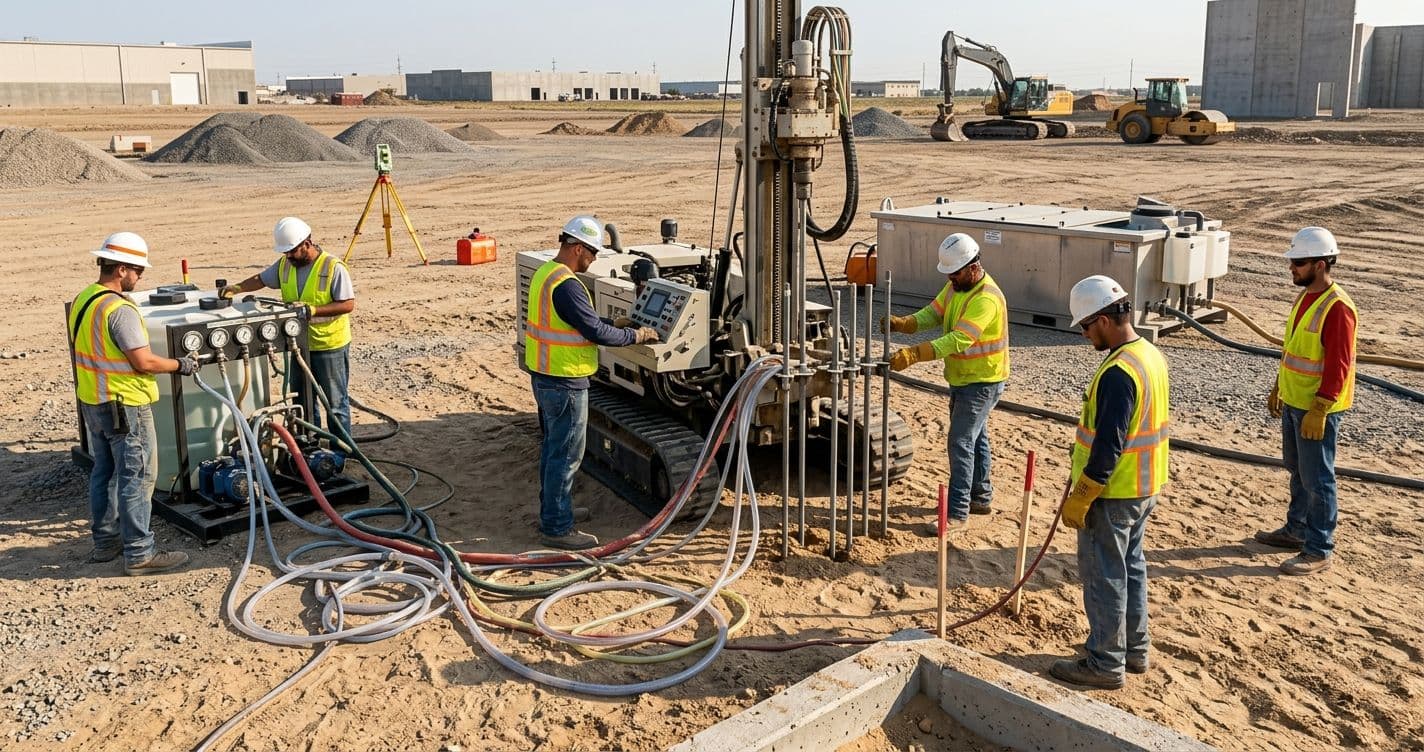
Rapid-response ground strength and structural support for roadways, bridges, rail beds, and public facilities that can't wait for a standard repair timeline.
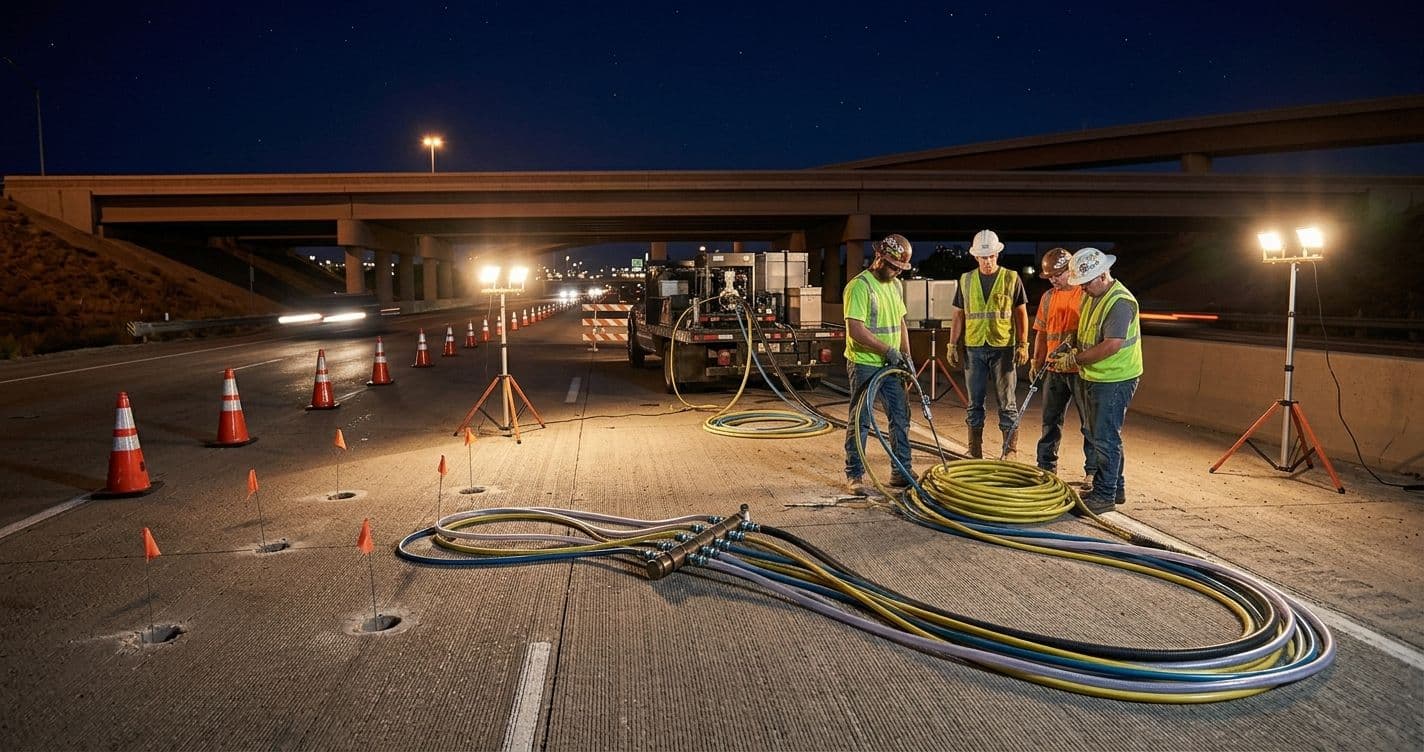
Strengthening loose, saturated soil against seismic risk by increasing density and reducing pore water pressure before an earthquake happens.

Correcting differential settlement in foundations, pavements, and slabs by stabilizing the weak soil beneath and lifting the structure back toward grade.
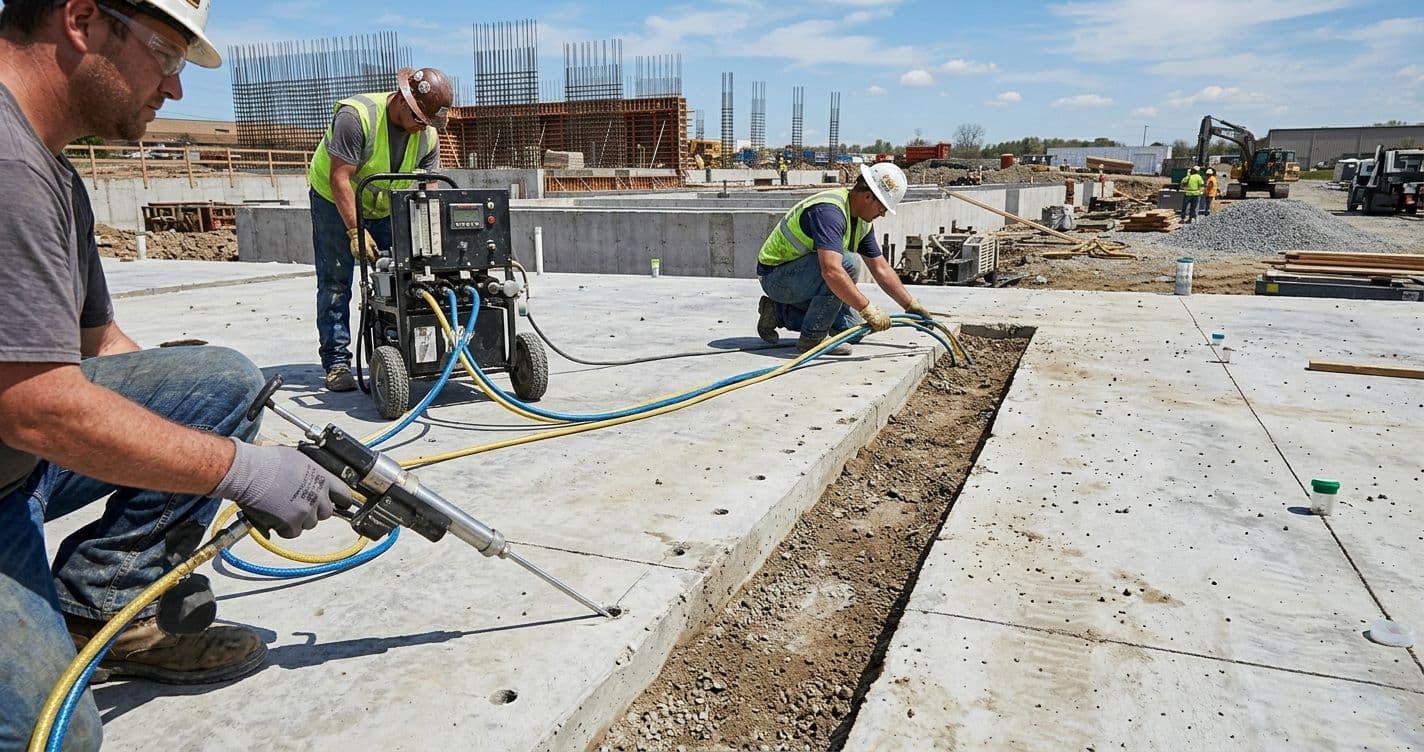
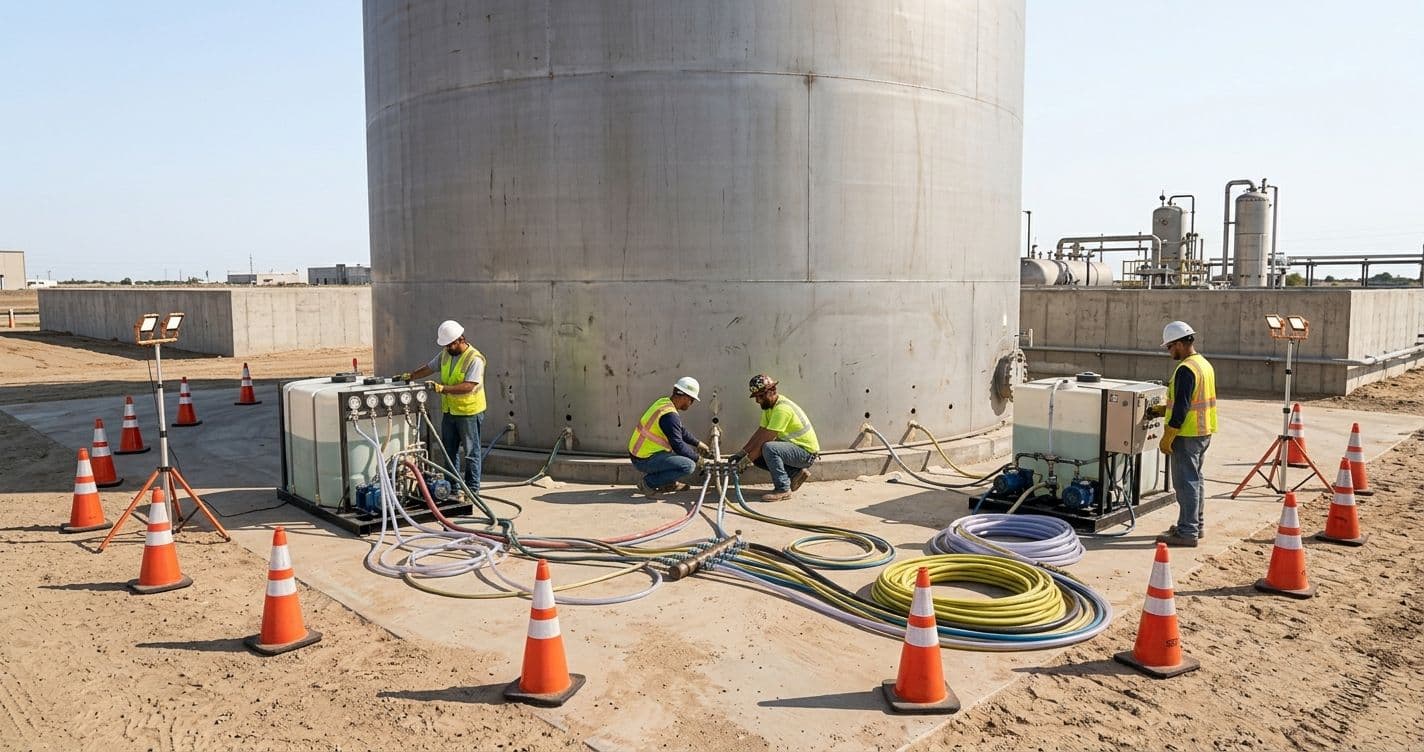
Strengthening soil beneath storage tanks and heavy processing pads in place, without taking the tank out of service.
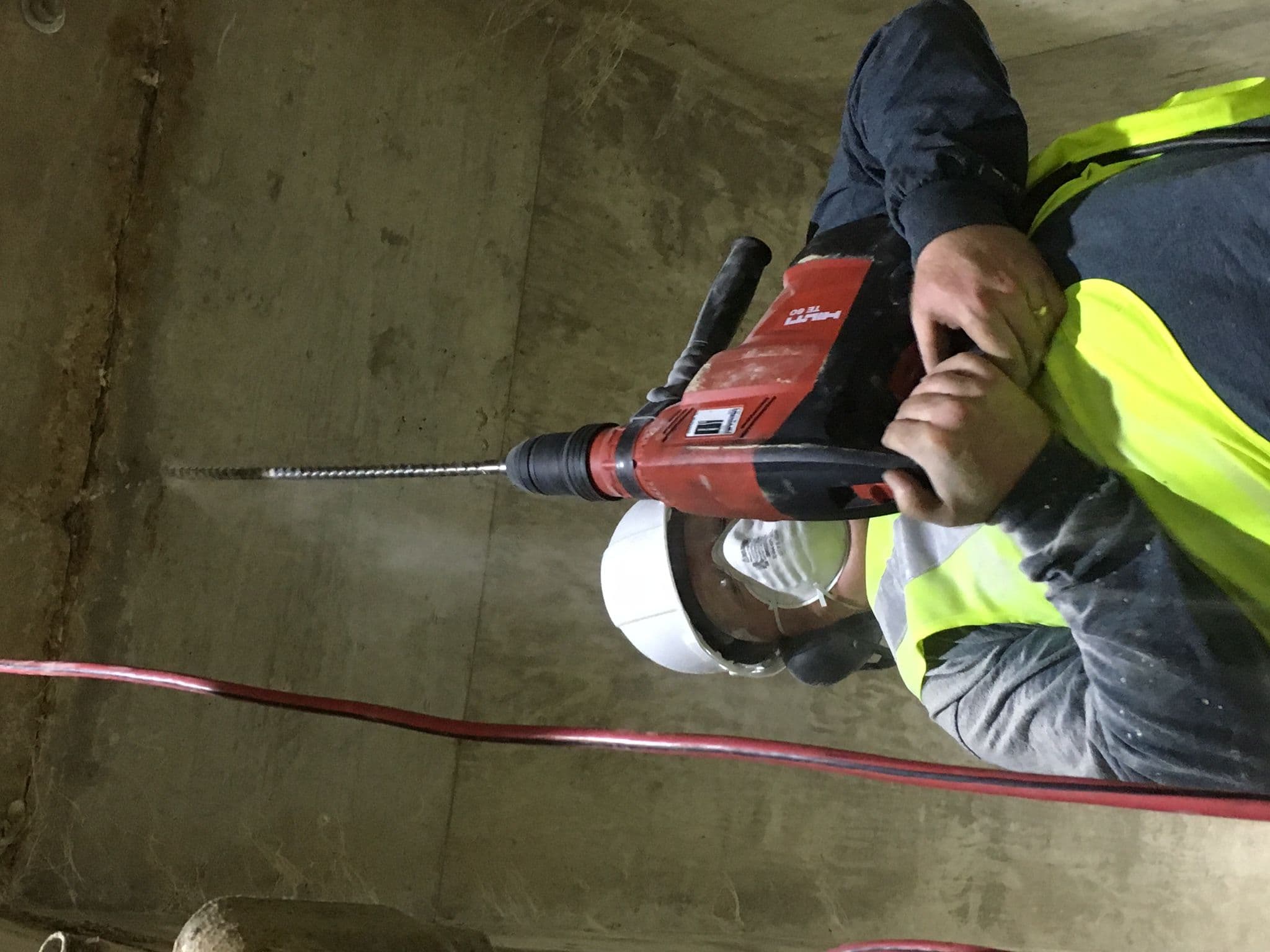
Filling underground voids beneath roads, foundations, and utilities with expanding polymer, without excavation.
It depends on what's actually happening underground. If there's an open, empty space, a sinkhole or eroded pocket, that's Void Filling. If the soil is simply weak or loose without a void, that's Soil Stabilization or Ground Densification. If something is actively settling right now, that's Settlement Control. A URETEK project manager can identify which one applies during the initial site evaluation, so you don't have to guess before calling.
URETEK 486 Star polymer cures to 99% of its final strength within minutes, so it isn't a slow-setting fix that shifts as it cures. On a Kentucky tank foundation project, the stabilization has held for 15 years since treatment, which is the kind of long-term track record a soil fix should have.
Yes, in almost every case. Because the work is done through small drilled holes rather than open excavation, the surface above stays usable during treatment. On an Interstate 40 bridge approach, all three lanes and both shoulders were treated over nine overnight shifts, keeping the interstate open during the day throughout the project.
In most cases, yes, since there's no excavation, no demolition, and no extended closure. The specific savings depend on the service and the site, but every Ground Improvement service is built around avoiding the cost and downtime of a full excavation-based rebuild.
Yes. When a growing sea cave threatened to collapse a Southern California coastal roadway after nearby bluff sections had already failed, URETEK completed an emergency stabilization program in 7 days. Ground Improvement crews are built to mobilize fast when a site can't wait.
Get your site's soil evaluated before a weak spot becomes a collapse. URETEK crews respond fast, including emergencies.
Request a Ground Assessment
URETEK
Ground improvement solutions engineered for performance.
Contact Us
Find Local Experts


13900 Humble Road, Tomball, TX 77375
Services
Solutions

 800-240-7868

