

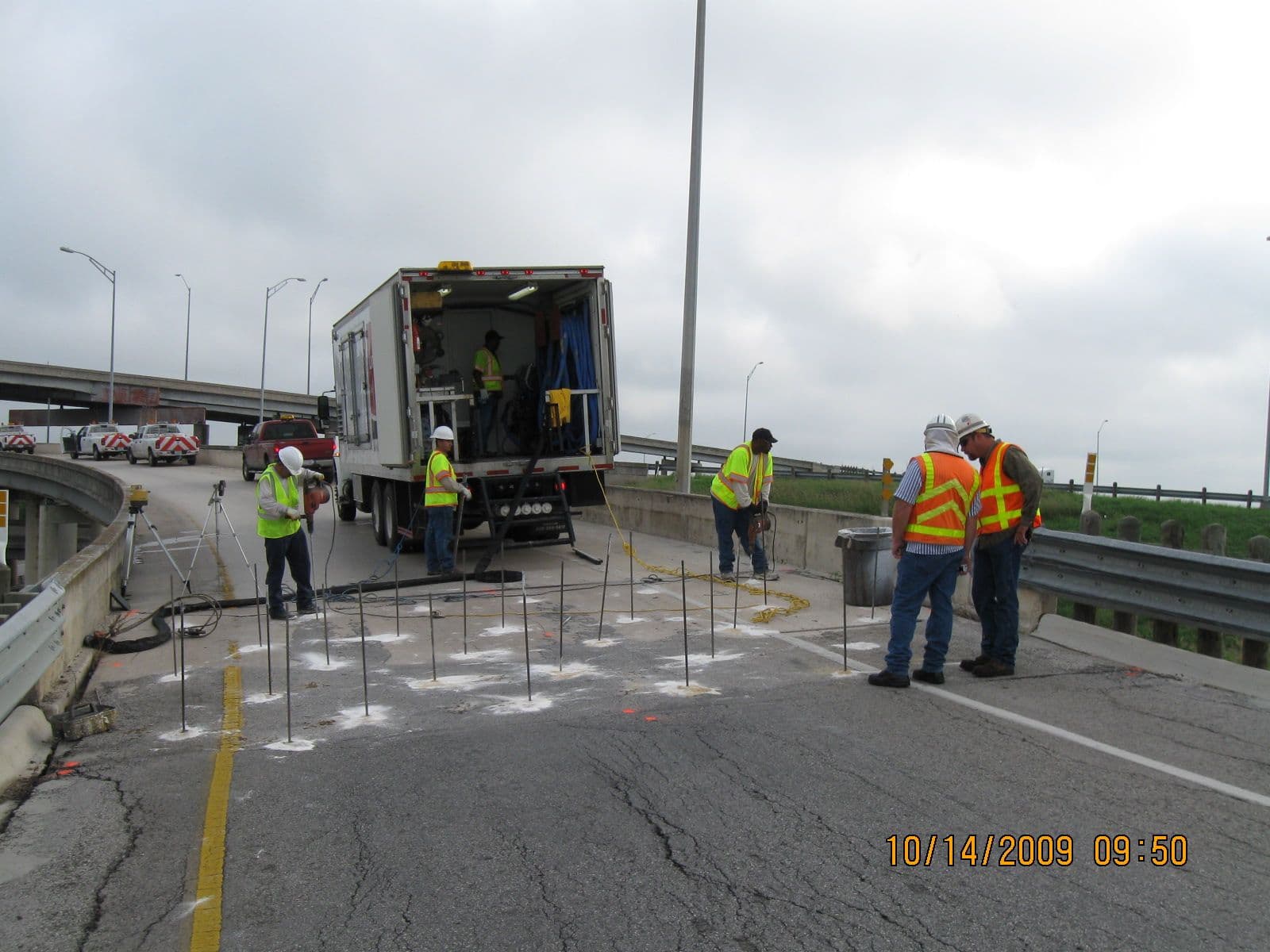
Bridges connect two things that behave differently underground: a structure on deep pile foundations that doesn't settle, and an approach roadway on ordinary fill that does.
Solutions for this Industry
Bridge Approach Settlement

Infrastructure Settlement Control
Loose Sands
Sibling Industries
Highways
Rail Systems
Airports
Tunnels
Need a Site Assessment?

800-240-7868

Bridges connect two things that behave differently underground: a structure on deep pile foundations that doesn't settle, and an approach roadway on ordinary fill that does. That gap, along with abutment soils exposed to scour, erosion, and decades of traffic vibration, is where most bridge ground-engineering problems start. Departments of transportation and bridge authorities turn to ground stabilization when an approach, departure, or abutment needs to be fixed without taking the structure fully out of service.
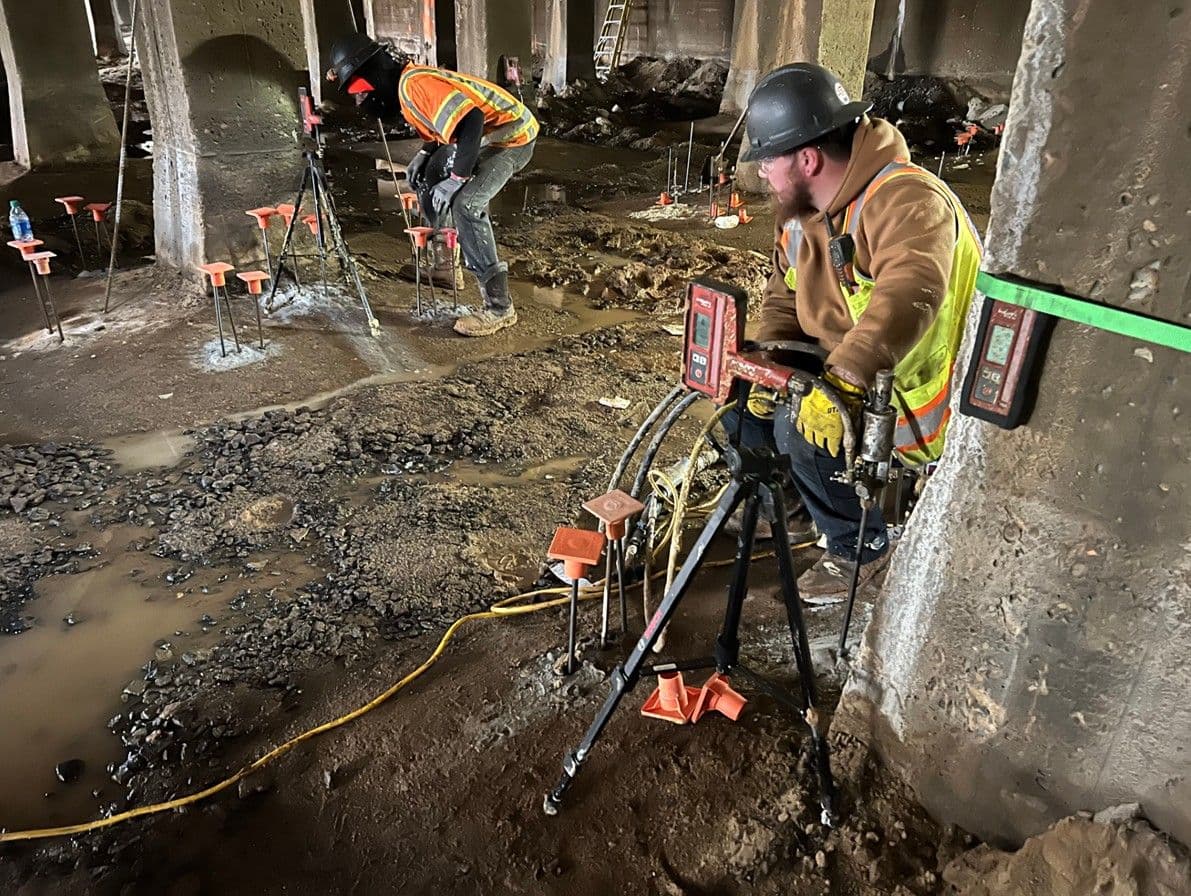
Bridge infrastructure carries pressures that don't apply the same way to an open stretch of highway.

Settlement at the bridge approach and departure slabs, "the bump at the bridge," creating unsafe transitions at highway speeds
Erosion and scour around bridge abutments and piers following heavy rain, seasonal storms, or flooding
Loose sand, gravel, or subsurface voids around abutments loosening over decades of load and vibration
Traffic control and lane closures adding cost and disruption to any repair requiring excavation near an active structure
Meeting a state DOT's own bridge inspection ratings and structural standards before a repair is accepted
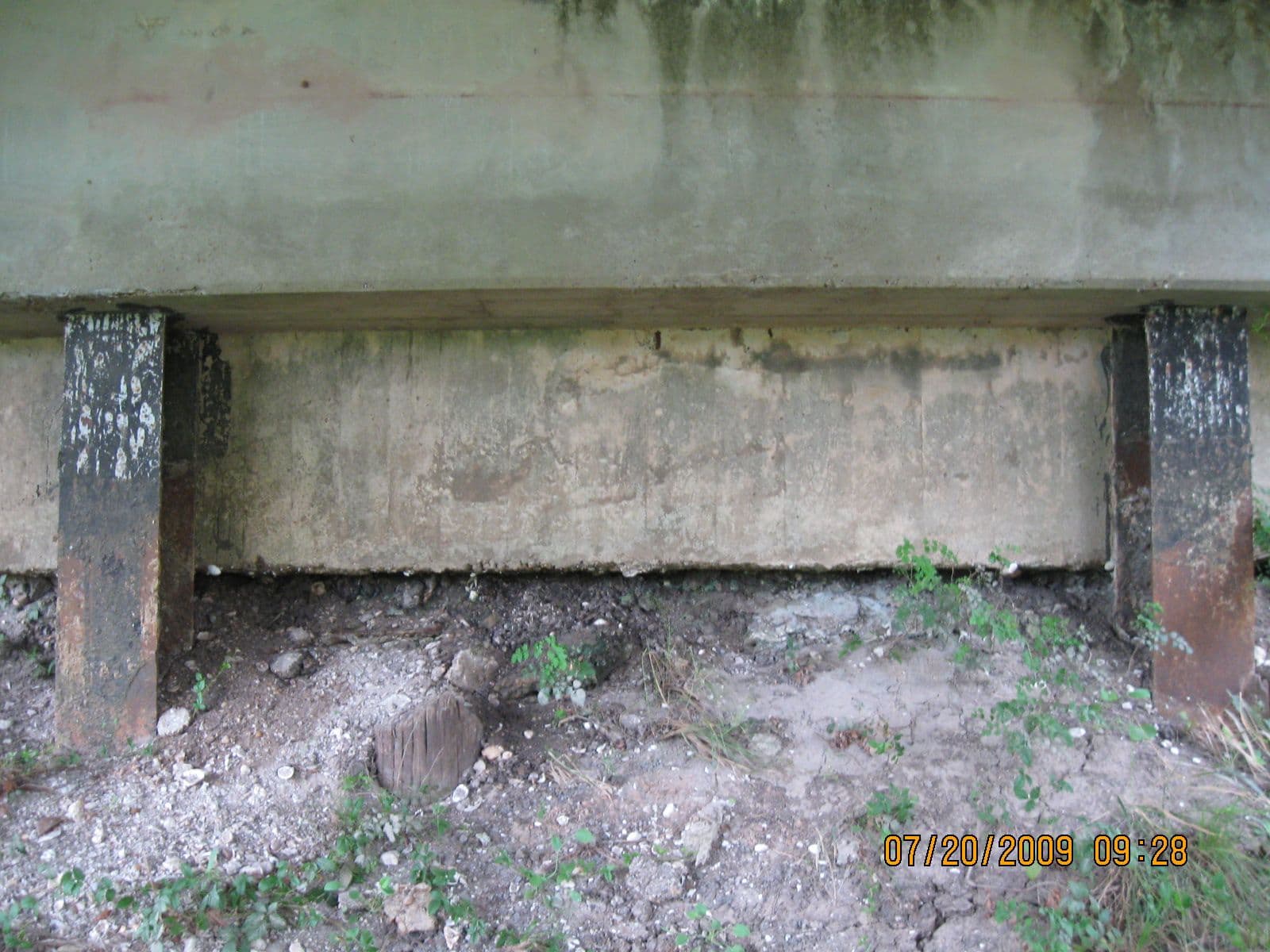
Bridge infrastructure demands a fix that restores the transition and the abutment without taking the structure out of service.
Keeps the bridge open. On the Sault Sainte Marie International Bridge, injections were applied entirely from the top of the bridge, completing repairs on both sides in only two days
Engineered to the state DOT's own requirements. On an NCDOT rehabilitation project in Charlotte, North Carolina, UDI was applied according to a site-specific injection plan to restore settled approach and departure slabs to their originally designed grade
Restores the approach slab and stabilizes abutment soils directly, rather than patching the visible symptom above them
Often well under budget. A bridge settlement project in Binghamton, New York was completed 60 percent under budget compared to the original estimate
1
Investigation
Approach slab and abutment conditions are evaluated through inspection and testing before any repair plan is designed.
2
Planning
Injection design and sequencing are developed around the specific bridge's structure and the state DOT's own requirements.
3
Access
Small-diameter injection points are installed with minimal lane closures or disruption to the bridge itself.
4
Injection
Expanding polymer is placed to stabilize abutment soils or lift settled approach pavement as needed.
5
Monitoring
Real-time tracking confirms precise alignment and grade during the lift.
6
Validation
Final inspection confirms ride quality and compliance with the state DOT's own standards.
As part of an NCDOT rehabilitation project on I-277 in Charlotte, North Carolina, UDI was applied according to a site-specific injection plan and successfully restored each identified settled bridge approach and departure slab to its originally designed grade.
On the Sault Sainte Marie International Bridge, injections were applied entirely from the top of the bridge to stabilize sub-surface sand, gravel, and rock in and around the abutments, without needing to access them from below.
Often significantly so. A bridge settlement project in Binghamton, New York was completed 60 percent under budget compared to the original estimate.
Yes, in most cases. Both sides of the Sault Sainte Marie International Bridge were repaired in only two days, and a bridge lifting operation in Buffalo, New York used a grid injection pattern to restore the roadway to grade without an extended closure.
A bridge structure typically sits on deep pile foundations that don't settle, while the approach roadway sits on ordinary fill that does. In North Carolina, excessive rain, seasonal storms, and flooding regularly weaken the soils supporting bridge approaches, departures, and slopes, which is exactly the kind of gap that opens between the two.
Get an expert site assessment and a tailored stabilization plan.
Request a Site Assessment
URETEK
Ground improvement solutions engineered for performance.
Contact Us
Find Local Experts


13900 Humble Road, Tomball, TX 77375
Services
Solutions

 800-240-7868


