

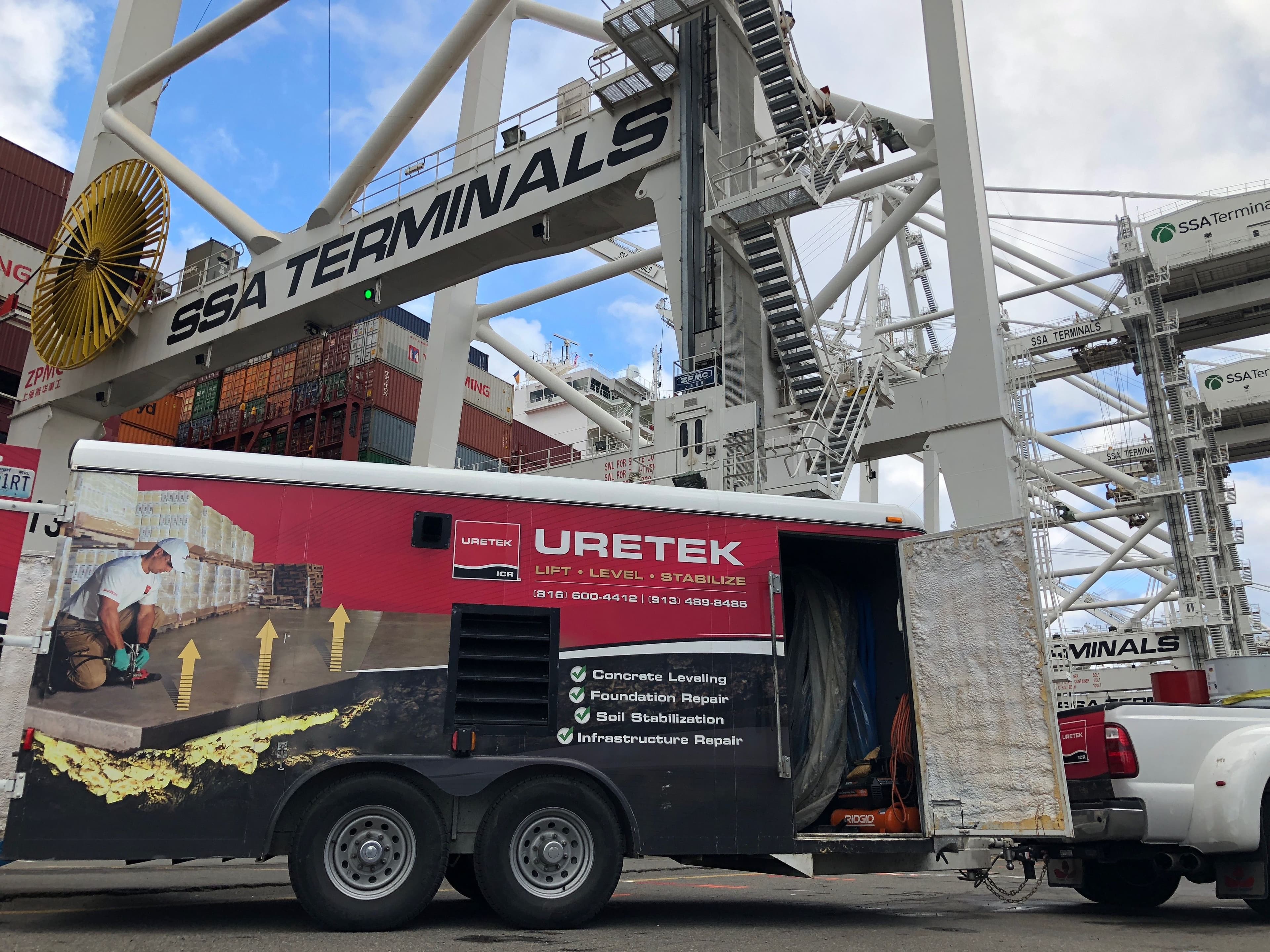
Weak, loose, or low-density soil can sit beneath a slab, pavement, or planned structure for years before it becomes a settlement problem, if it's addressed before that point.
Solutions for this Service
Weak Soils

Loose Sands
Foundation Stabilization
Settlement Remediation
Related Industries
Transportation
Commercial and Institutional
Need a Site Assessment?

800-240-7868

Not every soil problem starts with visible damage. Weak, loose, or low-density soil can sit beneath a slab, pavement, or planned structure for years before it becomes a settlement problem, if it's addressed before that point. Soil Stabilization increases the load-bearing capacity, density, and stiffness of soil in place, without excavation. Engineers, private owners, and public agencies use it both to strengthen soil beneath existing structures and to prepare weak ground ahead of new construction.
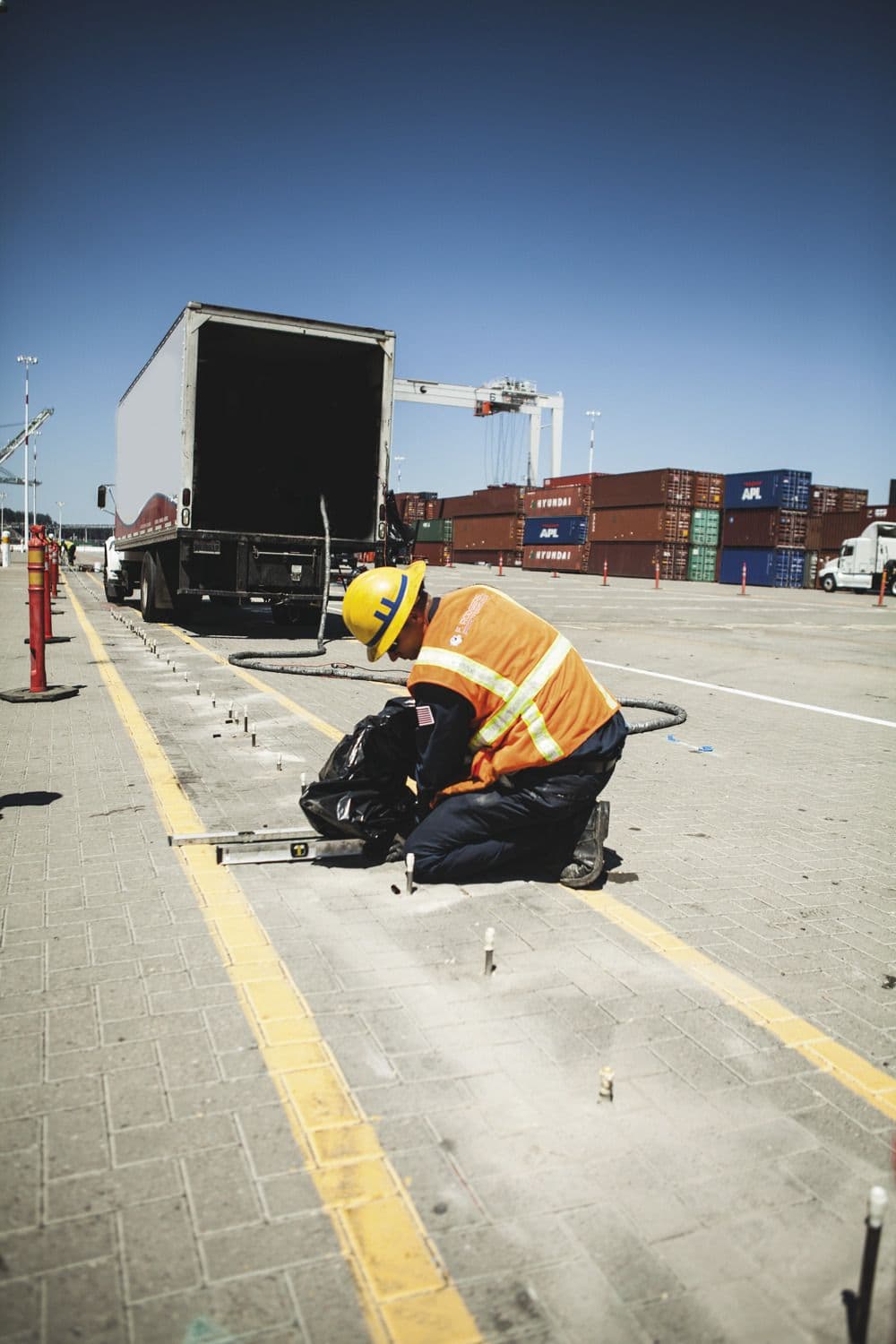
Weak soil doesn't announce itself until something built on it starts to fail. Here's what it leads to if it isn't addressed.

Soil with insufficient bearing capacity to safely support a planned structure, slab, or pavement
Low-density or loose soil that compresses unevenly under load over time
Ground conditions that put new construction at risk of future settlement before it's even built
Existing foundations or pavements sitting on soil that has weakened due to erosion, moisture, or poor original compaction
Weak soil often shows up in the geotechnical report before it shows up on the surface. Watch for these.
A geotechnical report flagging low bearing capacity or loose, low-density soil
A construction project on hold because the soil can't yet support the planned load
Early, minor settlement cracking that hasn't become a major structural issue yet
A site with a history of poor compaction, fill material, or high water table
Nearby structures on similar soil that have already experienced settlement
A planned addition or heavier load that exceeds what the existing soil was designed to carry
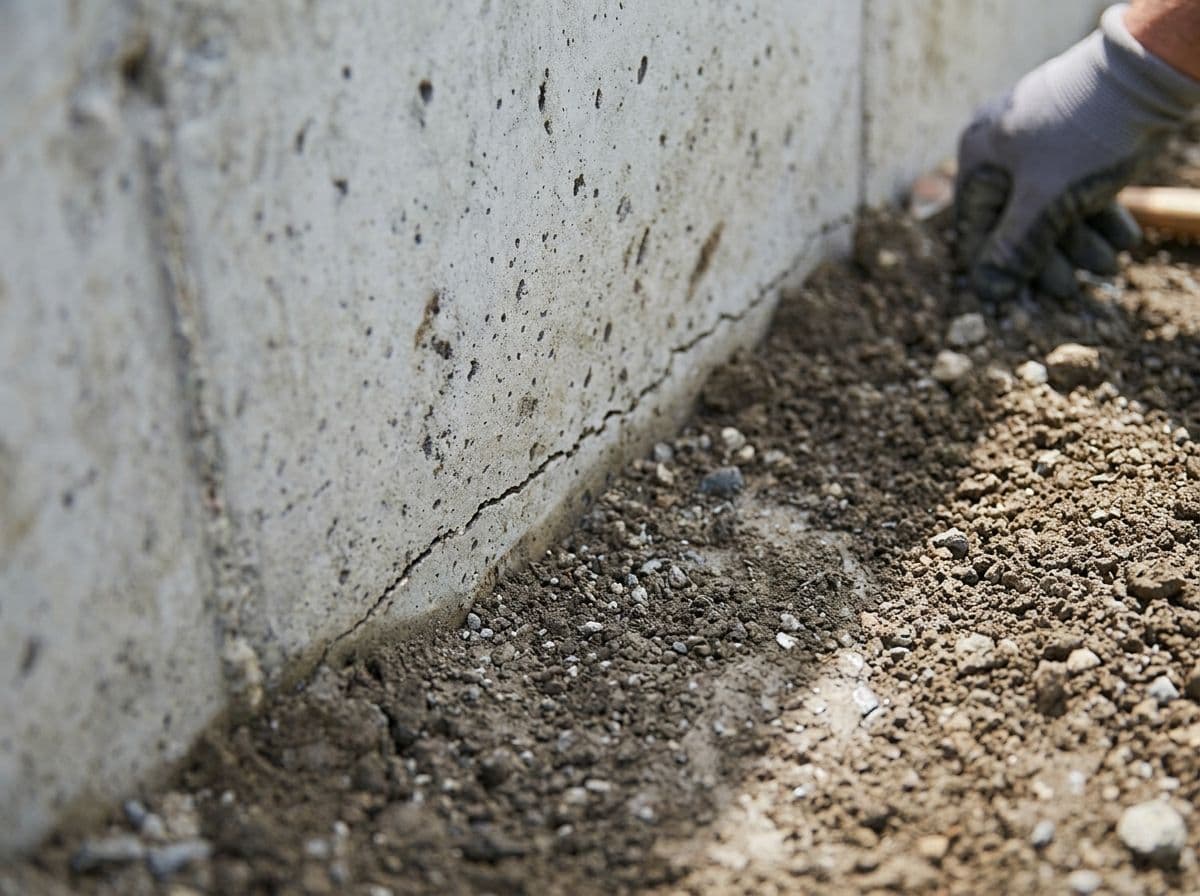
Why engineers and property owners choose Soil Stabilization to address weak ground before it becomes a bigger problem.
Increases load-bearing capacity across a broad area, not just one spot. URETEK has strengthened soil beneath highways, airports, industrial facilities, and coastal structures, treating the full footprint that needs support, not just an isolated weak point.
Reduces the risk of future settlement before it happens. Addressing weak soil while it's still stable, rather than waiting for visible settlement, avoids the safety risk and cost of a later structural repair.
Avoids the disruption of intrusive alternatives. On a Clermont, Florida apartment project, URETEK's injection-based approach eliminated the need for intrusive, vibration-heavy methods that risked damaging nearby existing buildings.
Works fast, even under difficult conditions. URETEK stabilized a 12,000-square-foot warehouse floor in Wyoming in three and a half days, and completed a Nevada highway job in three days despite 15°F temperatures and high winds.
The polymer densifies soil across a grid, not just at a single injection point. URETEK 486 Star® is injected in a pattern across the treatment area, expanding to compact and bind the soil particles between injection points into a stronger, stiffer mass.
Soil Stabilization is the right call when soil lacks the bearing capacity, density, or stiffness to safely support a structure, whether that soil sits beneath an existing slab or pavement or is being prepared ahead of new construction. It's built for addressing weak ground before it produces a visible problem, not for correcting damage that's already happened.
It's not the right tool when a structure has already settled unevenly and needs to be corrected and lifted back to grade; Settlement Control is built for that specific situation. It also isn't the fit when the concern is soil liquefying during an earthquake, which Liquefaction Mitigation addresses directly, or when there's a confirmed open void rather than generally weak soil, which Void Filling is designed to handle.
Soil Stabilization is often paired with Settlement Control on the same site when stabilizing the surrounding weak soil uncovers an area that has already settled and needs correction as part of the same project.
1
Evaluate
A URETEK project manager reviews the soil conditions and the load the structure needs to support, not a salesperson working from a standard package.
2
Deploy
Crews mobilize on the schedule the site needs, including nights, weekends, or holidays, in a self-contained unit.
3
Drill
Small holes are drilled in a grid pattern designed around the treatment area and the required load-bearing capacity.
4
Inject
URETEK 486 Star® is injected across the pattern, expanding to compact and densify the soil between injection points.
5
Clean Up
There's no excavation to backfill and no trench to restore, so cleanup is minimal.
6
Validate
The client confirms the soil meets the required bearing capacity before the crew leaves.
URETEK has delivered soil stabilization projects for state departments of transportation, private developers, and industrial facility owners nationwide, backed by decades of engineering and execution experience.



On a Clermont, Florida apartment project, URETEK's soil stabilization plan was calculated using slope stability software and delivered as signed-and-sealed engineering plans by a licensed Florida engineering firm, not a rule-of-thumb estimate. URETEK 486 Star® also cures to 99% of its final strength within minutes, and Public Works and Federal projects carry a two-year warranty.
Rather than treating a single void, URETEK 486 Star® is injected in a grid pattern across the treatment area, compacting and densifying the soil particles between injection points as it expands. The result is a broadly stronger, stiffer soil mass under the entire footprint, not just a patched spot.
In most cases, yes. On the Clermont, Florida apartment project, URETEK's injection-based approach eliminated the need for intrusive, vibration-heavy methods, avoiding the cost and risk of damage to nearby existing structures that those alternatives would have carried.
Yes. URETEK stabilized a 12,000-square-foot warehouse floor for the State of Wyoming in just three and a half days without halting the facility's operations, and completed a soil stabilization job on Highway US-50 in Nevada in three days despite 15°F temperatures and high winds.
Soil Stabilization is used on weak, loose, or low-density soils that lack the bearing capacity to support a slab, pavement, structure, or embankment, whether that soil is beneath an existing structure or being prepared ahead of new construction.
Get weak soil evaluated and strengthened before it becomes a settlement problem. URETEK crews respond fast, including emergencies.
Request a Soil Evaluation
URETEK
Ground improvement solutions engineered for performance.
Contact Us
Find Local Experts


13900 Humble Road, Tomball, TX 77375
Services
Solutions

 800-240-7868


