

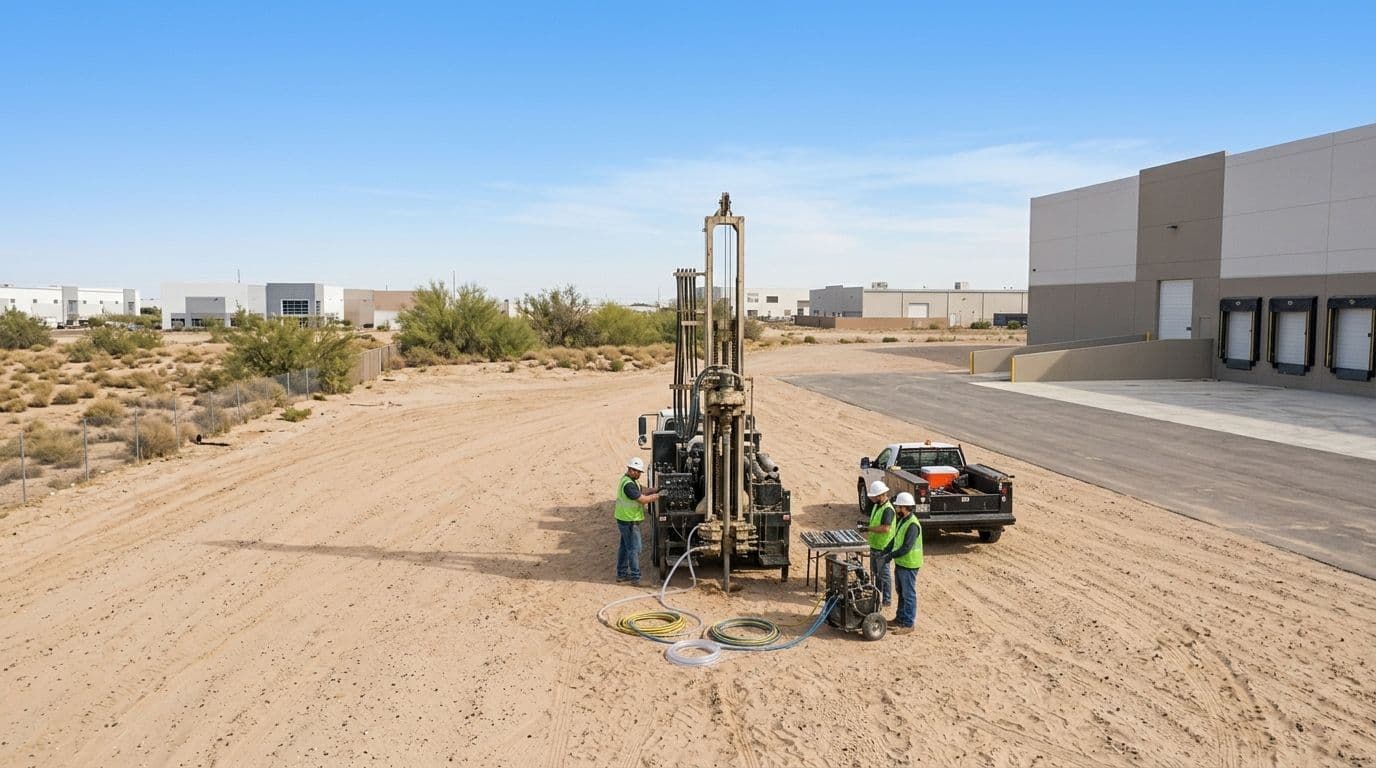
Loose, saturated soil can behave like solid ground for years and still fail suddenly when the shaking starts.
Solutions for this Service
Liquefaction Risk

Weak Soils
Loose Sands
Erosion Voids
Related Industries
Power and Energy
Marine and Coastal
Need a Site Assessment?

800-240-7868

Loose, saturated soil can behave like solid ground for years and still fail suddenly when the shaking starts. During an earthquake, that kind of soil can temporarily lose its strength and act like a liquid, a process called liquefaction, taking whatever is built on it down with it. Liquefaction Mitigation strengthens that soil in place, before an event happens, by increasing its density and reducing the pore water pressure that drives the failure. Engineers and public agencies use it on critical infrastructure sited in seismically active or vibration-prone areas.
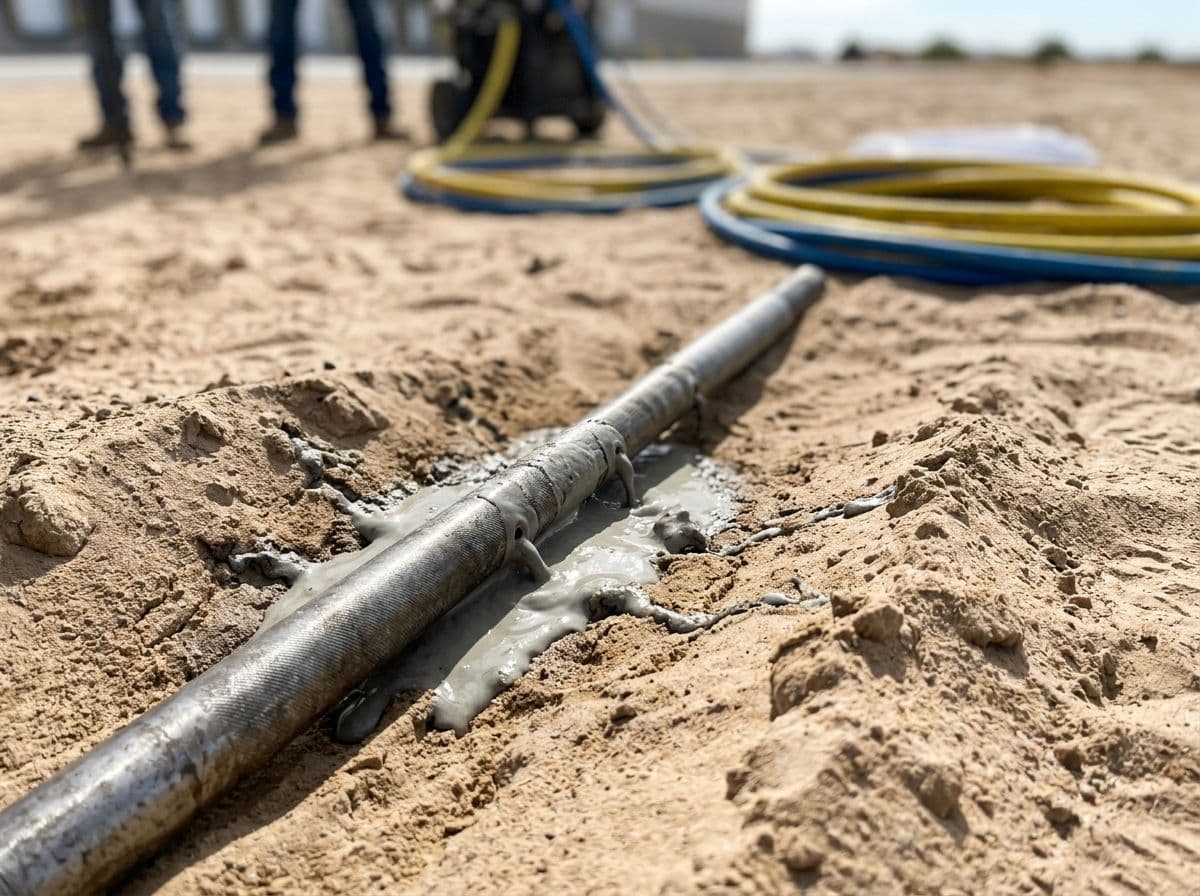
Liquefaction risk doesn't show up until it's too late to plan around. Here's what it threatens if it isn't addressed ahead of time.

Sudden loss of soil strength and bearing capacity during an earthquake or heavy vibration
Catastrophic settlement of foundations, pavements, and underground structures when the soil beneath them liquefies
Long-term risk to critical infrastructure sited in known liquefaction zones
Erosion and soil displacement from ground shaking that compounds existing soil weakness
Liquefaction risk is usually identified through site data rather than visible warning signs, since the soil can look stable until an event occurs. Consider it when a project involves these.
A geotechnical report identifying loose, saturated, sandy or silty soil in a seismically active area
Critical infrastructure, such as a power plant, port, or utility facility, sited on ground with known liquefaction risk
A high water table combined with loose granular soil near the surface
Regulatory or code requirements for seismic ground improvement on a project site
A facility located in a coastal or reclaimed-land area where fill soils are common
Prior liquefaction damage nearby during a past seismic event
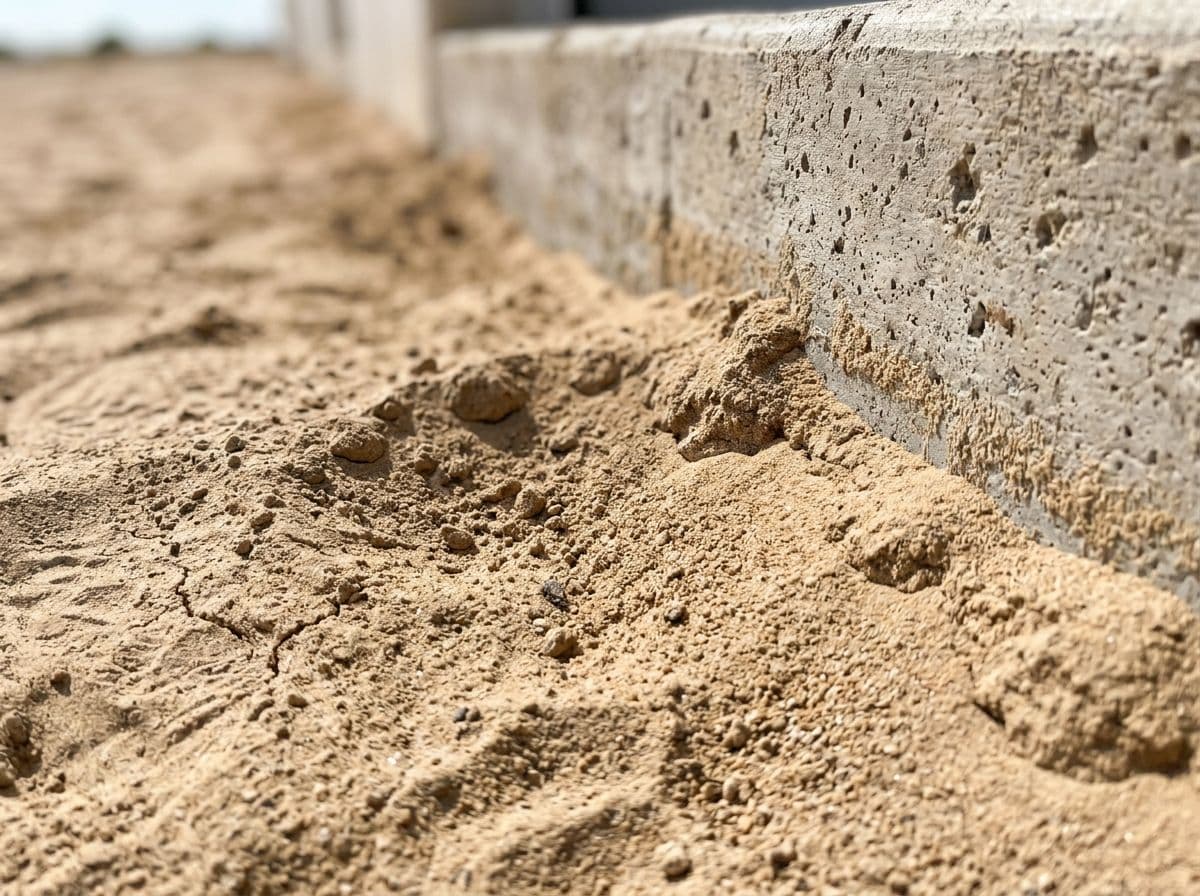
Why agencies and facility owners choose Liquefaction Mitigation to reduce seismic risk before an event happens.
Supports critical infrastructure across seismic and vibration-prone areas. Liquefaction Mitigation is used across transportation, utility, port, and industrial sites located in regions where ground shaking is a real design consideration.
Reduces the risk of catastrophic failure during an actual seismic event. Strengthening the soil ahead of time protects both the infrastructure and the people who depend on it, rather than relying on a repair after the fact.
Keeps the facility operating during treatment. Because the work is done through small injection holes rather than open excavation or heavy vibratory equipment, treatment can proceed with minimal disruption to an operating facility.
Cures fast and works around a facility's schedule. URETEK 486 Star® cures to 99% of its strength in minutes, and crews can mobilize nights, weekends, or holidays to fit around ongoing operations.
Targets the specific mechanism behind liquefaction, not just general weak soil. URETEK 486 Star® is injected into loose or saturated soil, increasing its density and reducing the pore water pressure that builds up during shaking, the specific condition that allows liquefaction to happen.
Liquefaction Mitigation is the right call when a site has loose, saturated soil in a seismically active or vibration-prone area, and the goal is reducing the risk of a specific failure mode: sudden loss of soil strength during an earthquake. It's built for critical infrastructure where that risk carries outsized consequences, power facilities, ports, transportation assets, and similar sites.
It's not the right tool when the concern is ordinary static settlement rather than seismic risk; Soil Stabilization addresses general weak-soil load-bearing issues, and Settlement Control corrects a structure that has already settled unevenly. It also isn't the fit when there's a confirmed open void rather than a broad liquefaction-prone soil condition, which Void Filling is built to handle.
Liquefaction Mitigation is often paired with Soil Stabilization on the same site as part of a broader ground improvement program, since a facility in a seismic zone frequently needs both general load-bearing capacity and seismic-specific soil densification.
1
Evaluate
A URETEK project manager reviews the site's geotechnical data and seismic risk profile, not a salesperson working from a standard package.
2
Deploy
Crews mobilize on the schedule the site needs, including nights, weekends, or holidays, in a self-contained unit.
3
Drill
Small holes are drilled in a pattern designed around the depth and extent of the liquefaction-prone soil layer.
4
Inject
URETEK 486 Star® is injected into the loose or saturated soil, densifying it and reducing the pore space that allows pressure to build during shaking.
5
Clean Up
There's no excavation to backfill and no trench to restore, so cleanup is minimal.
6
Validate
The client confirms the treated soil meets the required density and bearing capacity before the crew leaves.
URETEK supports seismic ground improvement for power, port, and public infrastructure clients across the country.



The treatment is based on established geotechnical principles: liquefaction happens when loose, saturated soil loses shear strength as pore water pressure rises during shaking. Densifying that soil and reducing the pore space available for pressure to build up directly addresses the mechanism, not just the symptom. URETEK 486 Star® also cures to 99% of its final strength within minutes, and Public Works and Federal projects carry a two-year warranty.
Liquefaction occurs when loose, saturated sandy soil temporarily behaves like a liquid because rising pore water pressure during shaking cancels out the soil's effective strength. URETEK 486 Star® is injected into the loose or saturated zone, expanding to compact the soil particles into a denser arrangement and reducing the pore space where that pressure would otherwise build, which is the specific mechanism liquefaction depends on.
It depends on the site and the depth of treatment needed, but because URETEK's method requires no excavation and no heavy vibratory equipment, it typically avoids the site disruption and access costs that come with more invasive seismic retrofit methods. A site-specific comparison is the only way to confirm the number for a given project.
Yes. Because the polymer is injected through small holes rather than an open excavation, treatment can generally proceed with minimal disruption to a facility's ongoing operations, and crews can work nights, weekends, or holidays to work around a facility's schedule.
Liquefaction risk is generally associated with loose, saturated, sandy or silty soils in seismically active areas. A geotechnical report is the standard way to confirm whether a specific site has this risk, and URETEK's evaluation starts from that report rather than a generic assumption.
Get a liquefaction-prone site evaluated before an event puts it to the test. URETEK works with agencies and facility owners on seismic ground improvement.
Request a Liquefaction Risk Evaluation
URETEK
Ground improvement solutions engineered for performance.
Contact Us
Find Local Experts


13900 Humble Road, Tomball, TX 77375
Services
Solutions

 800-240-7868


