

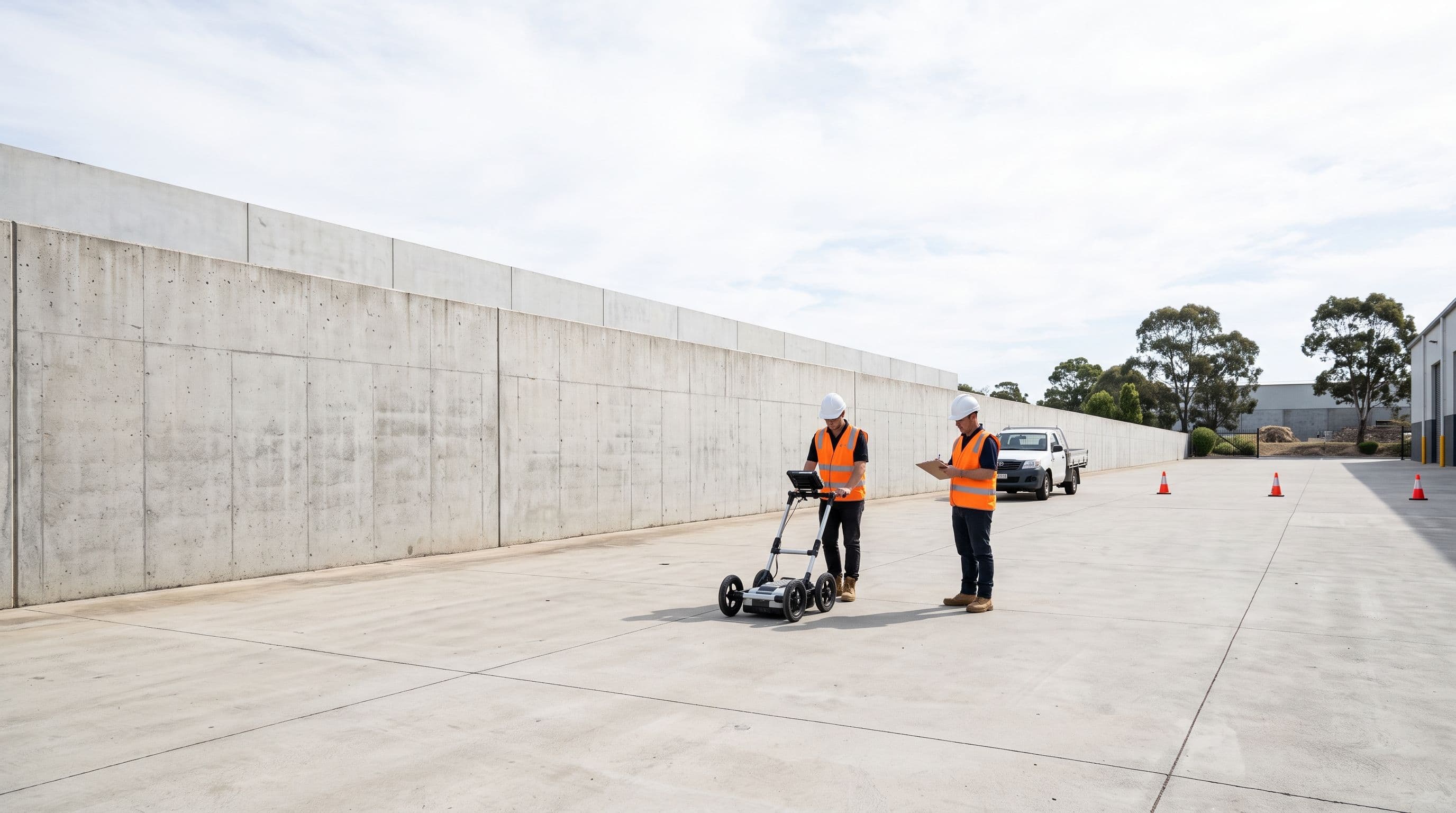
Not every void announces itself with a hole. Sometimes it's a dip that keeps coming back, a soft spot underfoot, or an inspection that finds a gap no one could see from the surface.
Applied in these Services
Void Filling

Related Industries
Transportation
Marine and Coastal
Need a Site Assessment?

800-240-7868

Not every void announces itself with a hole. Sometimes it's a dip that keeps coming back, a soft spot underfoot, or an inspection that finds a gap no one could see from the surface. Void Formation fills that space while it's still contained, before it grows large enough to collapse. Transportation departments, port authorities, and property owners turn to it whenever a void is suspected or confirmed, but hasn't yet become an open hole.
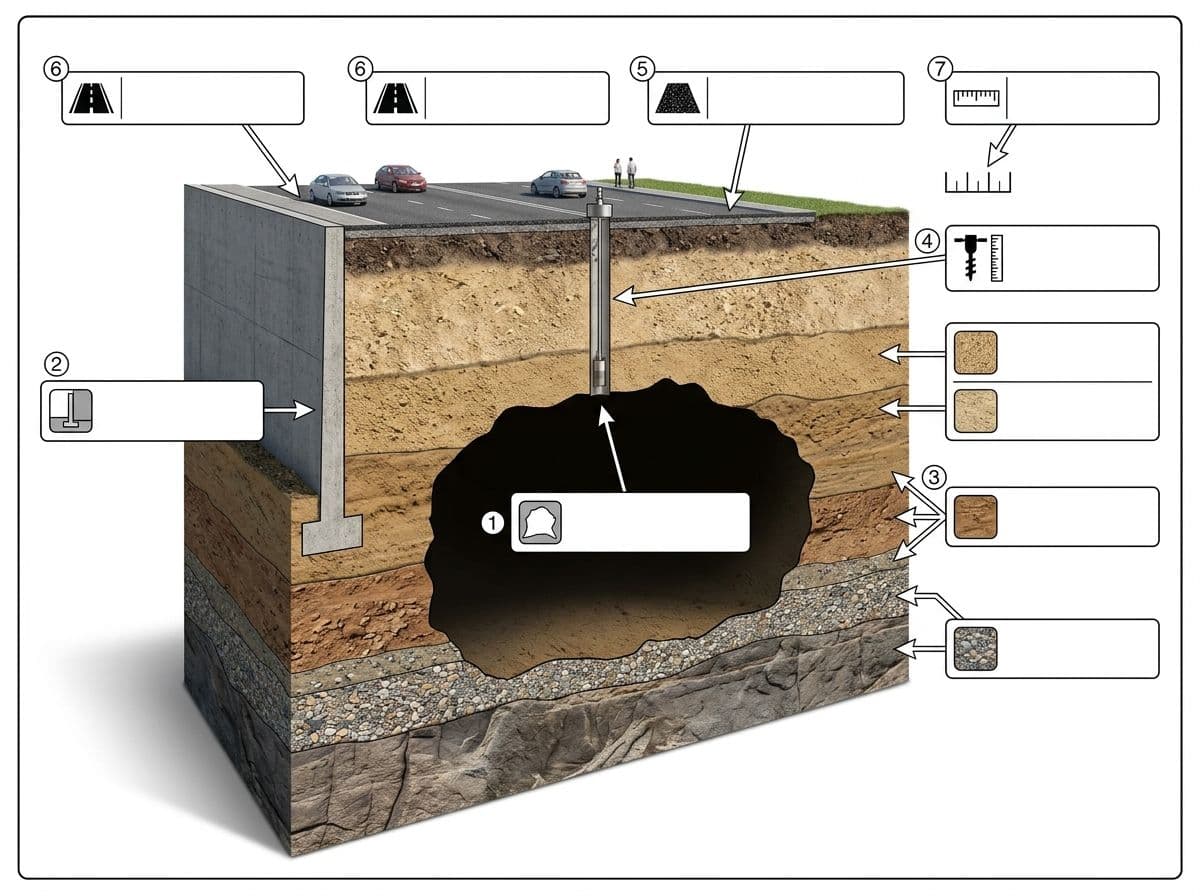
A void forms quietly, often for the same reasons a sinkhole eventually opens, just caught earlier. Here's what URETEK finds most often.

Water slowly washing fine soil particles into a nearby pipe, joint, or crack, leaving an empty space behind
Soil settling or eroding behind a retaining wall, bulkhead, or seawall where it isn't visible from the surface
An underground utility line or old structure creating a hidden cavity as surrounding soil shifts around it
Ongoing erosion or scour along a waterway, riverbank, or coastal structure hollowing out the soil beneath or behind it
A forming void is often subtler than a sinkhole, easy to miss unless you know what to check. Watch for these.
A hollow sound or soft spot when the ground is walked or driven over, without any visible hole yet
A shallow depression or dip developing gradually rather than appearing all at once
Soil visibly settling or pulling away behind a wall, bulkhead, or retaining structure
An inspection, survey, or dive investigation revealing an unexpected gap or hole below the surface
A structure or pavement showing early settlement in one specific spot, without a clear surface opening
Repeated minor repairs to the same area that don't hold, suggesting something below hasn't been addressed
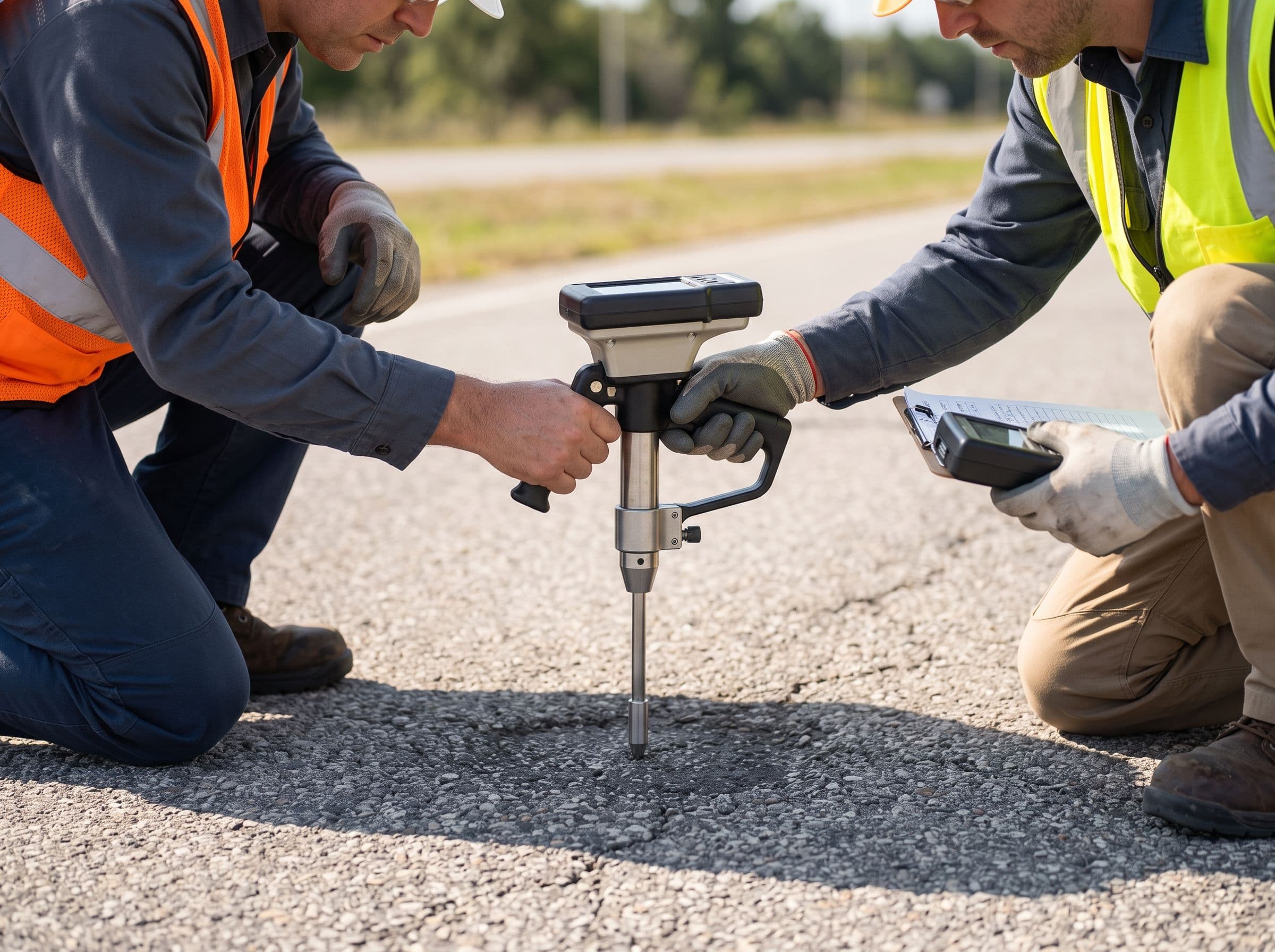
This is the right page when a void is suspected or has been detected below ground or behind a structure, but the ground above hasn't yet collapsed into an open hole.
It's not the best fit in every case. Check these first:
 Ground has already collapsed into a visible hole? See Sinkholes.Soil is disappearing gradually with no specific void detected yet, more of a slow erosion pattern? See Soil Loss.The suspected void is specifically near an old or abandoned utility line? See Abandoned Utility Voids.
A forming void is often tied to a nearby failing pipe or joint. If a specific pipe or joint is suspected, Pipe Penetration Leaks and Joint Leaks are worth checking too.
What filling a void while it's still contained, instead of waiting for it to surface, actually gets you.
Fills the void while it's still small and accessible, before it grows large enough to threaten the surface above
Reduces the risk of a sudden, unplanned collapse later, catching the problem on a schedule instead of as an emergency
Keeps sensitive or high-traffic areas undisturbed. On a River Street project in Savannah, Georgia, work was completed after just two days on site, next to an occupied hotel and an active tourist river-cruise terminal
Moves faster than an emergency response. On a coastal California project, crews mobilized within three days and finished four days ahead of schedule
Expanding polymer is injected directly into the confirmed void from an investigation or access point, filling the hidden space before it grows toward the surface
Void Filling, the Service, performs this fix directly, applied here before a collapse rather than after one
URETEK's general approach starts with confirming the void exists, through visual inspection, a dive survey, or investigation into a recurring surface symptom. Once confirmed, crews inject expanding polymer directly into the space, filling it before it grows large enough to reach the surface. There's usually no need to fully excavate or expose the area.
This is exactly what the Void Filling service does, applied here before a full collapse rather than after one. It's different from Sinkholes' response to an already-open hole, and different from Soil Loss's focus on gradual erosion without a confirmed void yet.
URETEK has detected and filled forming voids for transportation departments, port authorities, and property owners nationwide.





In Onondaga County, New York, an investigation into a recurring pavement dip identified five actual voids in need of repair, rather than guessing based on the surface symptom alone. Filling the confirmed void, not just patching the dip above it, is what keeps it from coming back.
Detection depends on the setting. On an Ohio River bulkhead project in Kentucky, an underwater diving inspection during a seasonal low-current window confirmed an 8-inch hole 12 feet below the water line, behind a wall that looked fine from above.
Catching a void early generally avoids the emergency response, traffic control, and larger repair footprint a full collapse requires later. On a coastal California project, crews mobilized within three days and finished four days ahead of schedule, well short of what an emergency sinkhole response typically takes.
In most cases, yes. On a River Street project in Savannah, Georgia, work was completed after just two days on site, next to an occupied hotel and an active tourist river-cruise terminal in a historically significant part of the city.
Detection methods vary by setting: underwater diving inspection behind a bulkhead, investigation into a recurring pavement dip that keeps needing minor repairs, or a survey behind a retaining wall or seawall. Each method is chosen based on where the void is suspected and how it's being accessed.
Get it filled while it's still contained, before it reaches the surface.
Request a Void Investigation
URETEK
Ground improvement solutions engineered for performance.
Contact Us
Find Local Experts


13900 Humble Road, Tomball, TX 77375
Services
Solutions

 800-240-7868


