

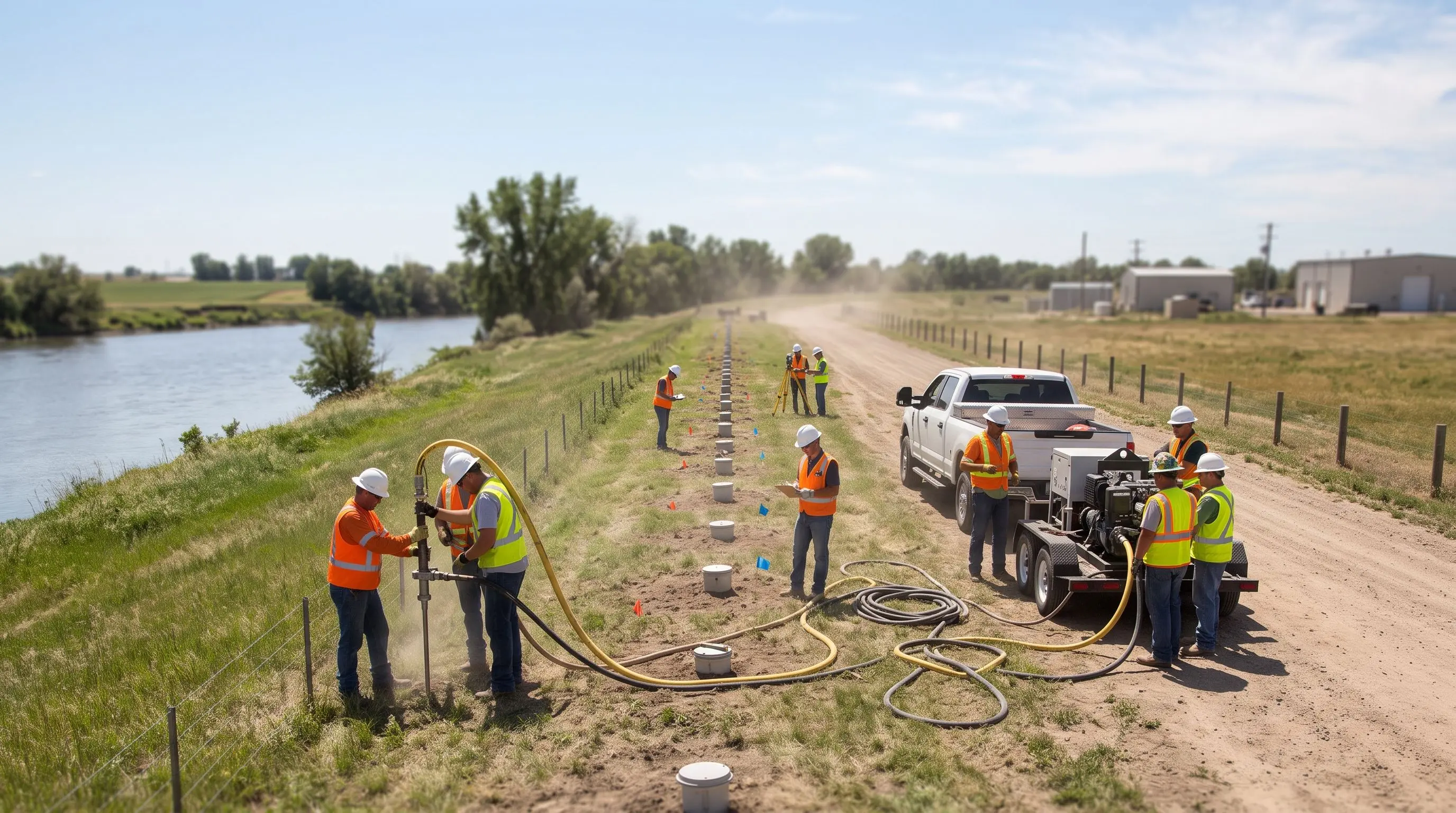
Some ground is simply more prone to erosion than the rest, karst limestone that dissolves over decades, a bank that's always been hard to hold, soil near water that never quite drains right.
Applied in these Services
Void Filling

Soil Stabilization
Related Industries
Transportation
Municipal Infrastructure
Need a Site Assessment?

800-240-7868

Some ground is simply more prone to erosion than the rest, karst limestone that dissolves over decades, a bank that's always been hard to hold, soil near water that never quite drains the way it should. Erosion Voids treats that underlying ground condition, not just the void that eventually shows up. Municipal engineers and property owners turn to it whenever a site's geology or location makes it likely to keep producing erosion-related voids, even in areas where nothing has surfaced yet.
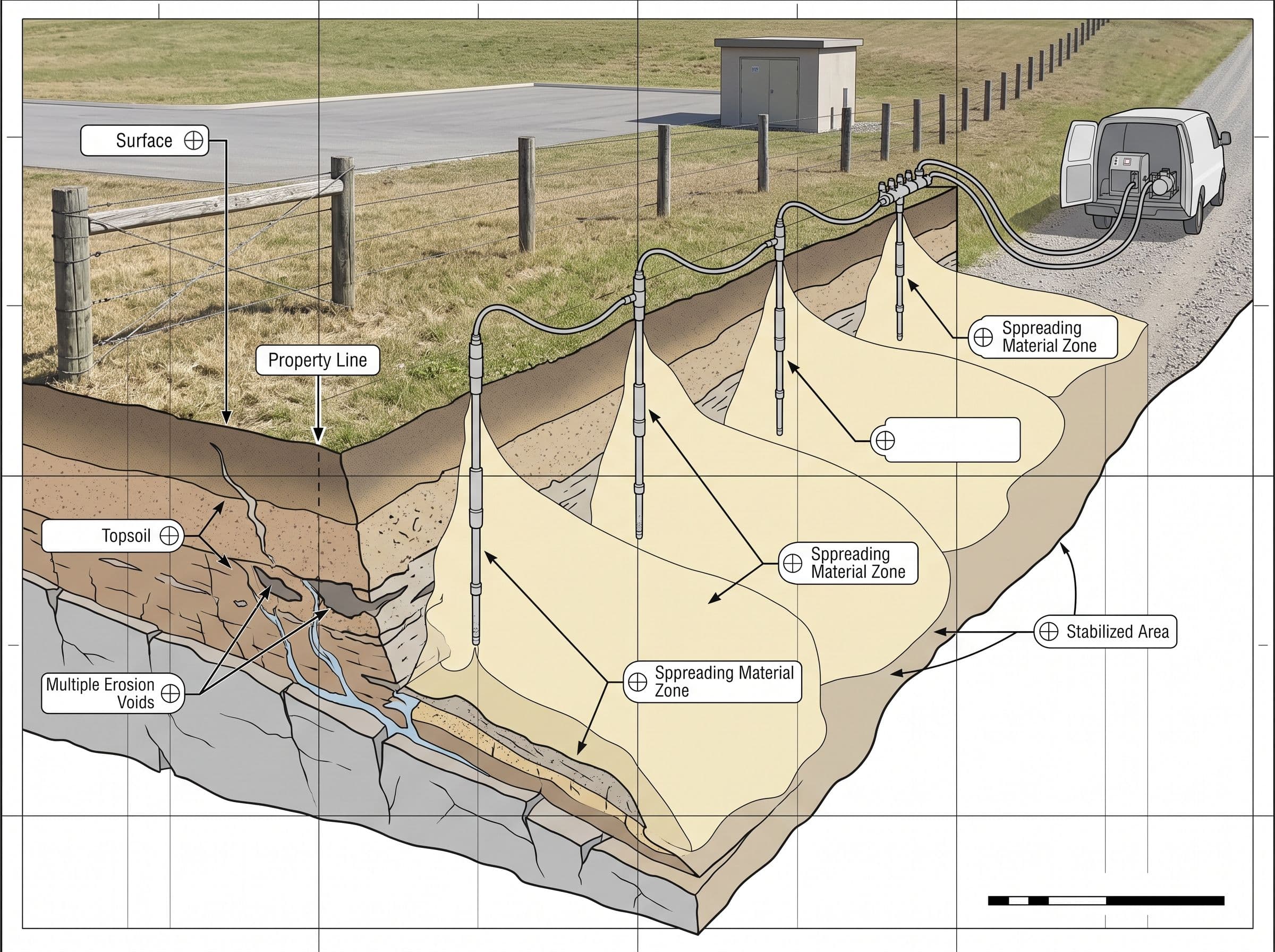
Erosion-prone ground usually comes down to geology or location, not something that happened once. Here's what URETEK finds most often.

Karst geology, limestone or other soluble bedrock that gradually dissolves and collapses into voids over time
A site with naturally poor drainage or a high water table that keeps groundwater moving through the soil continuously
Sandy or loosely consolidated soil layers that erode more easily than denser, more cohesive soil
A history of nearby sinkholes, voids, or erosion incidents indicating the broader area shares the same underlying geology
Erosion-prone ground is often identified at the site level, before or instead of a single active incident. Watch for these.
A geotechnical or geological survey identifying karst, limestone, or other erosion-prone bedrock beneath the site
A regional history of sinkholes or erosion-related voids in the surrounding area
Multiple, seemingly unrelated void or settlement incidents across the same property over time
A site near water, coastal, riverside, or in an area with a naturally high water table
Insurance, permitting, or engineering assessments flagging the site's geology as erosion-prone
A property with a documented history of erosion-related repairs, even in different locations on the same site
This is the right page when the site itself, because of its geology or location, is generally prone to erosion-driven voids, whether or not a specific void is active right now.
It's not the best fit in every case. Check these first:
 A specific area of soil is actively eroding right now? See Soil Loss.A specific void has already been detected below the surface? See Void Formation.Ground has already collapsed into a visible hole? See Sinkholes.
Sites with erosion-prone geology often need both a confirmed-void fix and broader soil strengthening. Weak Soils is worth reviewing too if bearing capacity is also a concern.
What addressing an erosion-prone ground condition at the site level, instead of one void at a time, actually gets you.
Addresses erosion-prone ground conditions across the site, catching voids as they form rather than only after each one surfaces individually
Reduces the risk of repeated, unpredictable void incidents across a property with known erosion-prone geology
Treats the full extent of the condition. On an effluent pond in Missouri City, Texas, more than 100 injection sites created a continuous 500-foot underground curtain along the property's banks
Measured in hours for a defined project, not an open-ended series of repairs. A railroad erosion stabilization project in Baltimore was completed in under 20 hours total, including setup, breakdown, cleanup, and inspection
Expanding polymer is injected into confirmed voids or along erosion-prone soil, locking it in place and reducing the pathways water uses to keep eroding it
Void Filling and Soil Stabilization, the Services, perform this fix together, chosen based on whether a void has already formed or the surrounding soil needs broader strengthening
URETEK's general approach starts with identifying whether a site's erosion-prone geology has already produced a confirmed void, or whether the ground itself needs broader strengthening. Crews then inject accordingly, filling confirmed voids directly, or densifying soil along the erosion-prone area to reduce the pathways water uses to keep eroding it.
This is the combined job Void Filling and Soil Stabilization perform. Void Filling addresses a confirmed void directly, while Soil Stabilization strengthens the broader erosion-prone ground condition. It's different from Soil Loss's focus on one specific, active incident.
URETEK has addressed erosion-prone ground conditions along ponds, railroads, and public infrastructure nationwide.





On an effluent pond in Missouri City, Texas, URETEK created a continuous 500-foot underground curtain using more than 100 injection sites, addressing the erosion condition along the property's full extent rather than just one weak point.
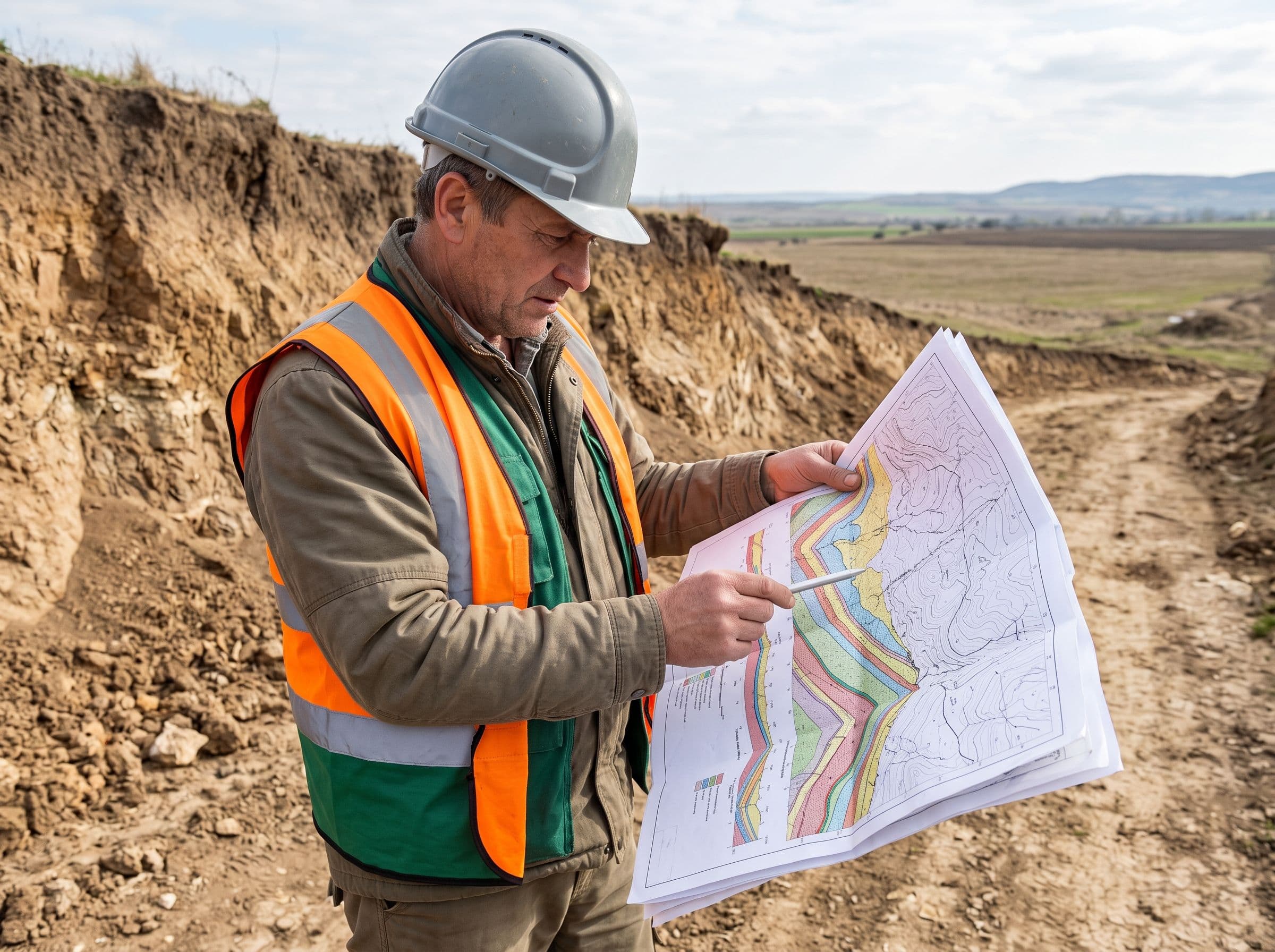
A geotechnical or geological survey reviews the area's known geology, karst or limestone bedrock, sandy soil, or a high water table, along with any history of prior voids or erosion incidents on or near the property, before treatment is planned.
In most cases, yes. A full railroad erosion stabilization project in Baltimore was completed in under 20 hours total, including setup, breakdown, cleanup, and inspection, a fraction of what repeated individual repairs across a property tend to add up to over time.
Yes. On the Missouri City, Texas project, more than 100 injection sites created a continuous underground curtain along the pond banks without excavating them open.
A site's geology or location can make it more prone to erosion and void formation generally, even in areas where nothing is actively happening yet. That's different from a specific spot where soil is visibly disappearing right now, which is addressed on the Soil Loss page.
Get the site's ground condition addressed before another void forms somewhere new.
Request a Site Assessment
URETEK
Ground improvement solutions engineered for performance.
Contact Us
Find Local Experts


13900 Humble Road, Tomball, TX 77375
Services
Solutions

 800-240-7868


