


A foundation that was fine for decades can suddenly be asked to carry more than it was built for, new equipment, an added floor, a change in how a building is used.
Applied in these Services
Foundation Stabilization

Related Industries
Commercial and Institutional
Industrial Facilities
Need a Site Assessment?

800-240-7868

A foundation that was fine for decades can suddenly be asked to carry more than it was built for: new equipment, an added floor, a change in how a building is used. Foundation Stabilization increases a foundation's bearing capacity in place, before the added load becomes a visible problem. Engineers, building owners, and facility managers turn to it whenever a structure's use is changing faster than its original foundation was designed for.

A foundation's capacity question rarely comes out of nowhere. Here's what usually triggers it.

A renovation, expansion, or added floor placing more load on a foundation than it was originally designed to carry
New equipment or heavier daily operations increasing the load on an existing structure
A building purchased or repurposed for a different use than it was originally built for
Soil beneath the foundation losing strength over time, so even the original design load is no longer fully supported
This is often a capacity question before it becomes a visible settlement problem. Watch for these.
Plans to add new equipment, floors, or heavier loads onto an existing foundation
A renovation or expansion already underway that increases load on the original foundation
An engineering assessment flagging the current foundation as under-capacity for planned use
Minor settlement or unevenness that hasn't become severe, but suggests the foundation may already be near its limit
Foundation systems installed decades ago that were never designed for today's expanded use
A structure inherited or purchased for a new purpose different from what it was originally built for
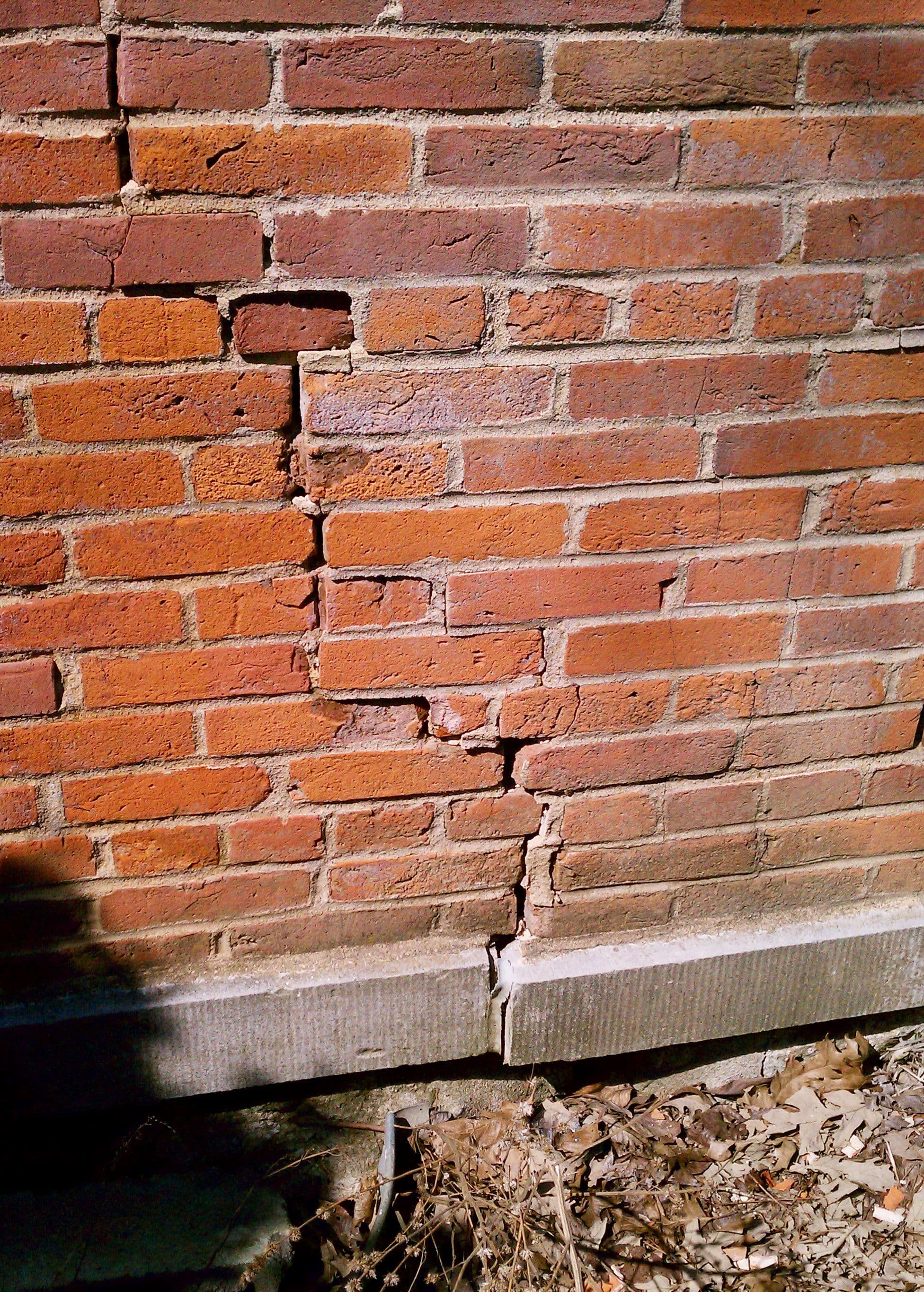
This is the right page when the main concern is whether a foundation can bear its current or added load, whether or not visible settlement has happened yet.
It's not the best fit in every case. Check these first:
 Already visibly sinking or uneven, with no capacity question involved yet? See Settlement Remediation.More than one point across the whole structure out of level? See Structural Re-Leveling.Problem is on a road, runway, bridge approach, or another public asset? See Infrastructure Settlement Control.
A capacity concern often surfaces alongside a stressed retaining wall or a forming void nearby. Worth checking Retaining Wall Stabilization and Void Formation too.
What confirming and increasing foundation capacity before it's tested by real load actually gets you.
Increases bearing capacity to match a specific, engineered target. At the Kentucky International Convention Center, 55 footings needed a confirmed 50% increase in bearing capacity to support new structure loads, and the injection plan was designed around that exact number
Reduces the risk of a foundation being pushed past its limit only after new equipment or added floors are already in place
Avoids full excavation. At the University of Tennessee, the original plan called for removing slabs and excavating to install piers at 142 column locations; URETEK's injection approach avoided that step entirely
Measured in weeks, not months, even across a large footprint. The University of Tennessee project was completed in increments over six weeks
Expanding polymer is injected through the existing footings at predetermined locations, densifying the soil beneath them so the same foundation can carry more, rather than adding new piers or rebuilding
Foundation Stabilization, the Service, performs this capacity increase directly
URETEK's approach starts with an engineering analysis that sets a specific bearing-capacity target for the load involved. Crews then drill through or beside the existing footings at predetermined locations and inject expanding polymer to densify the soil beneath them, raising capacity without removing the foundation or adding new piers.
This is exactly what the Foundation Stabilization service does. It's different from Structural Re-leveling's whole-structure, multi-point coordination, and different from Concrete Leveling's single-slab focus.
URETEK has increased bearing capacity at convention centers, universities, and industrial facilities nationwide, engineered to a specific load target.




The injection plan is engineered to a specific bearing-capacity target before work starts, not applied as a general patch. On the Kentucky International Convention Center project, 55 footings needed a confirmed 50% increase in bearing capacity to support the new structure loads, and the injection plan was designed around that exact number.
The target comes from the actual new or added load the foundation needs to support, confirmed by engineering analysis before injection begins. At the Kentucky Convention Center, the analysis showed the new structure loads were significantly greater than the original design, requiring a 50% increase in bearing capacity across 55 footings.
In many cases, yes. At the University of Tennessee, the original plan called for removing slabs, excavating, and installing helical piers at 142 column locations. URETEK's injection approach avoided that entirely, saving an estimated $380,000 compared to the originally proposed method.
Yes. At the University of Tennessee, work was completed in increments over six weeks without removing slabs or excavating around the 142 column locations, which is what the original piering plan would have required.
No. URETEK's approach injects through the existing footings at predetermined locations, densifying the soil beneath them, rather than adding new piers or foundation elements. On the Kentucky Convention Center project, crews drilled through the existing footings directly according to the injection plan.
Confirm your foundation can carry what's being added, before it's tested by real weight.
Request a Capacity Assessment
URETEK
Ground improvement solutions engineered for performance.
Contact Us
Find Local Experts


13900 Humble Road, Tomball, TX 77375
Services
Solutions

 800-240-7868


