


A utility trench doesn't stay the same after it's backfilled. Loosely compacted soil settles over time, and the disturbed ground along the trench becomes an easier path for water to travel.
Applied in these Services
Void Filling

Related Industries
Water and Wastewater
Power and Energy
Need a Site Assessment?

800-240-7868

A utility trench doesn't stay the same after it's backfilled. Loosely compacted soil settles over time, and the disturbed ground along the trench becomes an easier path for water to travel than the undisturbed soil around it. Utility Void Filling closes that void directly along the trench, without reopening it. Utilities, energy operators, and public works agencies turn to it whenever settled backfill or trench-driven erosion has left a void along an active utility route.
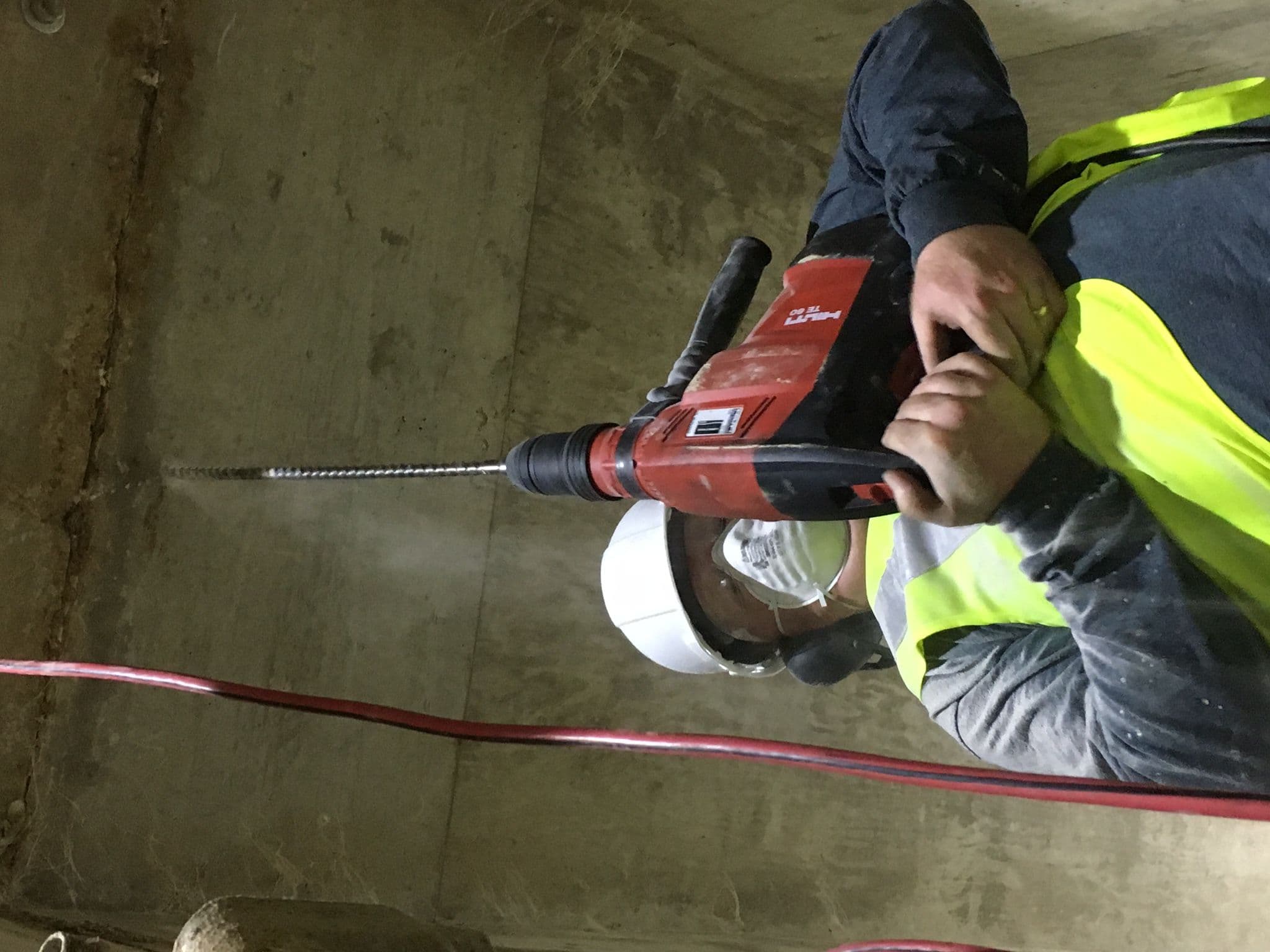
A void along a utility trench usually comes down to how the trench was backfilled, or what's happened to it since. Here's what URETEK sees most often.

Backfill placed in a utility trench during original installation was never compacted to match the density of the surrounding native soil
The trench itself acts as a water channel, since disturbed backfill is naturally more permeable than undisturbed soil, letting water travel along the trench and erode a void alongside it
Loosely compacted trench backfill settling over time leaves a gap between the trench and the surrounding ground
Repeated excavation or utility repair work in the same trench disturbing the surrounding soil further each time it's reopened
A void along a utility trench often traces a straight line, once you know to look for the pattern. Watch for these.
A dip or depression forming directly along the path of a buried utility trench
A trench that has been reopened for repair more than once in the same general location
Water pooling or draining unusually along the route of a known utility trench
Settlement appearing in a straight line consistent with an underground trench route
Soil testing revealing lower density along a trench path compared to the surrounding undisturbed ground
A utility trench crossing near a structure, roadway, or another utility that has shown unexplained settlement
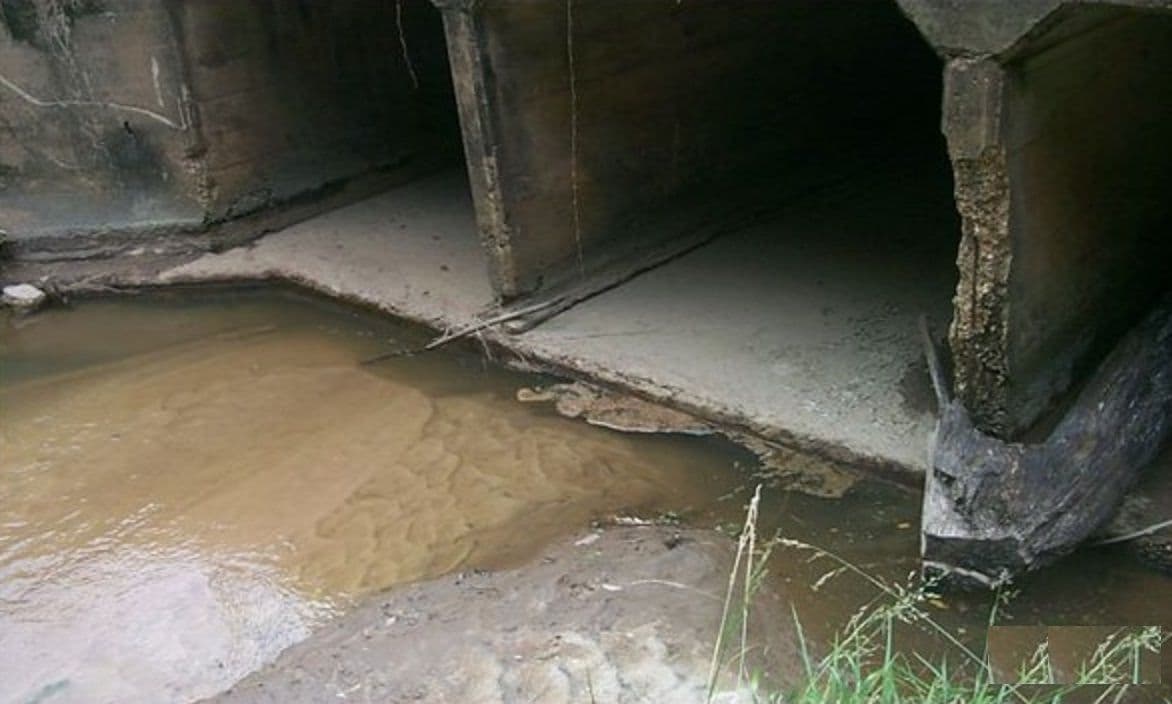
This is the right page when a void has formed around or along an active utility trench, from settled backfill or the trench channeling water, not specifically tied to an old or abandoned line.
It's not the best fit in every case. Check these first:
 The void is specifically tied to an old or decommissioned utility line? See Abandoned Utility Voids.The concern is a pipeline's structural support along its length, not a general trench void? See Pipeline Stabilization.The work involves installing new utility infrastructure without open trenching? See Trenchless Utility Support.
A void along a utility trench sometimes runs beneath a road or structure directly above it. Sinkholes and Void Formation are worth checking too if it's affecting the surface above.
What filling a void along the full trench path, instead of patching one visible spot, actually gets you.
Fills the void along the actual trench path, addressing the full extent of the settled backfill rather than one isolated dip
Reduces the risk of a structure, roadway, or another utility above the trench settling suddenly into the void
Doesn't require reopening the trench itself, work is accessed through small injection points rather than excavating the utility line again
Crews can mobilize on short notice, including nights, weekends, or holidays, so a trench void can be addressed on a schedule that works around service demands
Expanding polymer is injected along the trench path to fill the settled backfill void and densify it, closing the channel water was using to keep eroding it
Void Filling, the Service, performs this fix directly, applied here specifically along a utility trench's route
URETEK's general approach confirms the extent of the void along the trench route through testing or investigation, then injects expanding polymer to fill the settled backfill and densify it, without reopening the trench itself.
This is exactly what the Void Filling service does, applied here along a utility trench specifically. It's different from Pipeline Stabilization's focus on a pipe's structural span, and different from Abandoned Utility Voids' focus on an old or decommissioned line.
URETEK fills voids along utility trench routes for water, wastewater, and energy infrastructure nationwide.





URETEK 486 Star® cures to 99% of its final strength within minutes of injection, densifying the backfill along the full extent of the confirmed void, not just the spot where it surfaced. Closing the channel water was using is what actually stops it from spreading further.
Soil testing and investigation along the trench route identify how far the settled backfill actually extends. The injection plan is designed around those findings, not just the visible surface symptom.
In most cases, yes, since there is no excavation, no removal of the original utility line, and no re-backfilling required.
In most cases, yes, since the work is performed from small access points around the trench rather than requiring the utility line itself to be taken out of service.
Backfill placed in a trench is naturally more permeable than the undisturbed native soil around it, so water finds it an easier path to travel along. That's exactly what lets erosion spread further along a trench than it would in soil that was never disturbed.
Get the settled backfill filled before it channels erosion further.
Request a Utility Trench Assessment
URETEK
Ground improvement solutions engineered for performance.
Contact Us
Find Local Experts


13900 Humble Road, Tomball, TX 77375
Services
Solutions

 800-240-7868


