

Industries
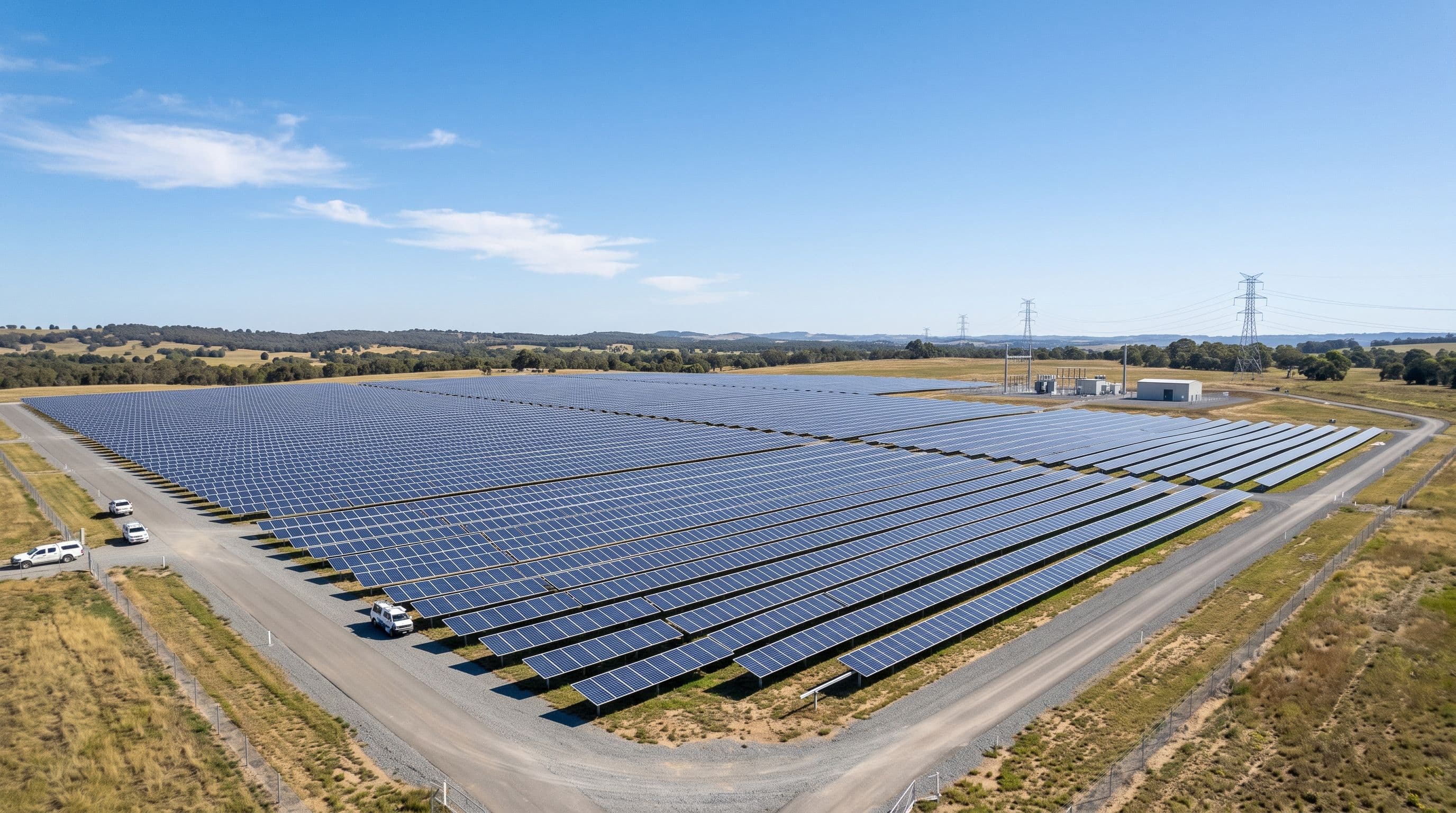
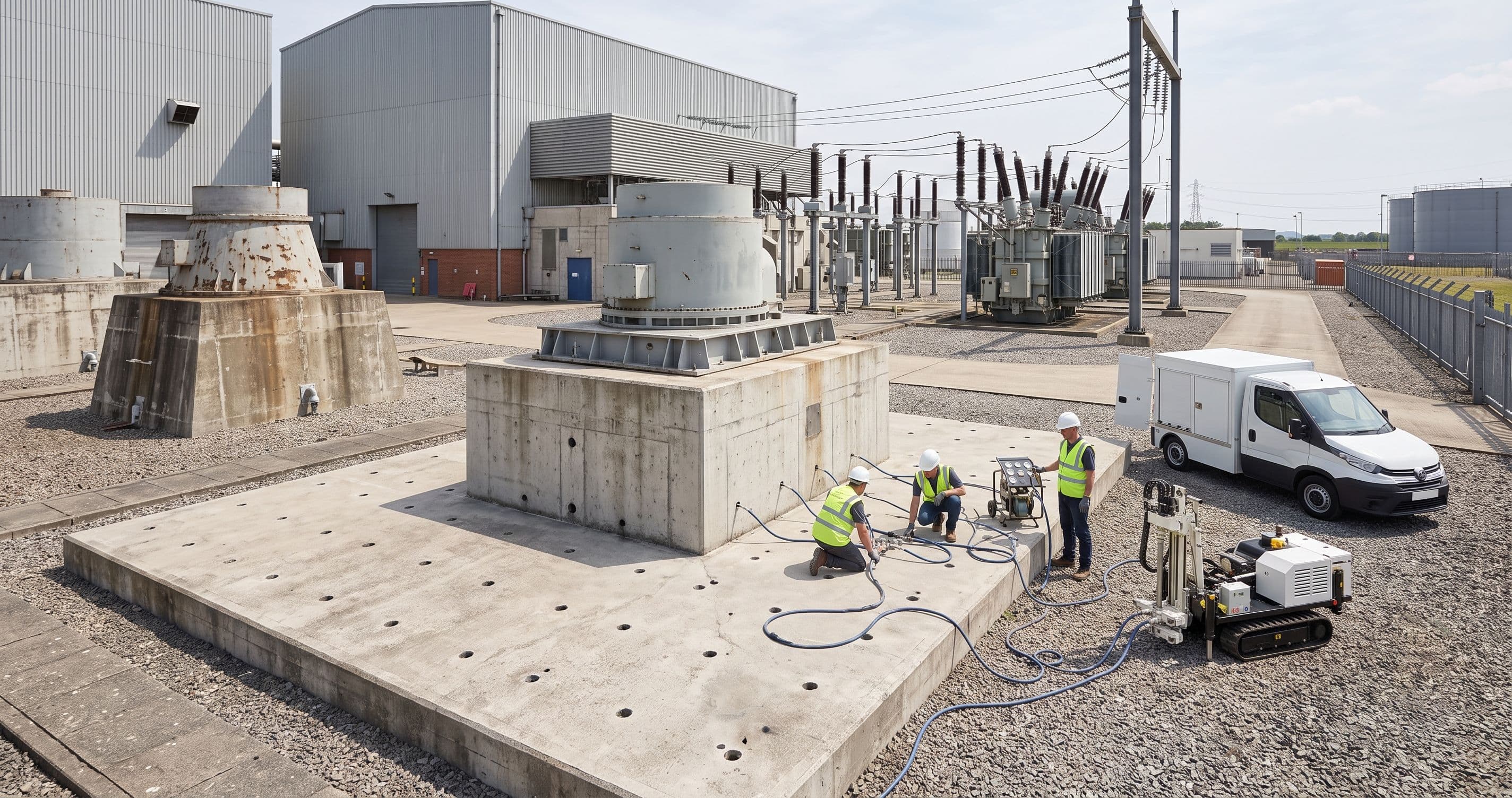
Power plants, renewable energy sites, and the equipment pads and foundations that support them all depend on stable soil to keep running safely. When that soil settles or a pile foundation loses its holding strength, the fix usually has to happen without taking generation offline. URETEK stabilizes soil and restores foundation capacity through small-hole polymer injection, without excavation and without the extended downtime a traditional repair would need.
Power and energy sites share three pressures, whether the asset is a plant, a pile-supported array, or a substation.

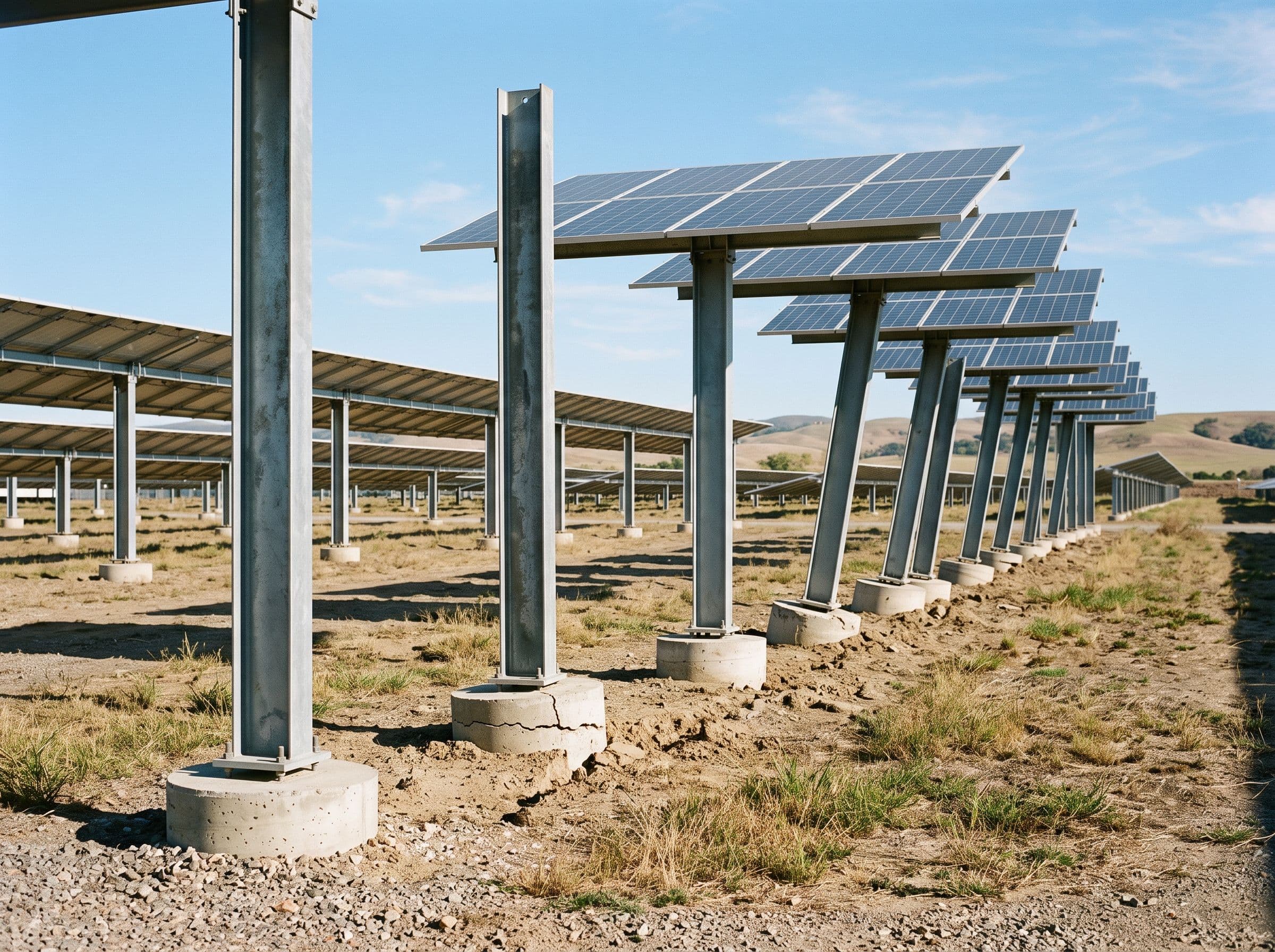
Foundations and pile-supported equipment, from solar arrays to plant structures, losing load or uplift capacity as the soil beneath them weakens
Settlement near equipment pads and structures that cannot be taken offline for a traditional dig-and-replace repair
Meeting the operational and safety standards specific to power generation, where unplanned downtime carries a real cost beyond the repair itself
Energy Utility Infrastructure
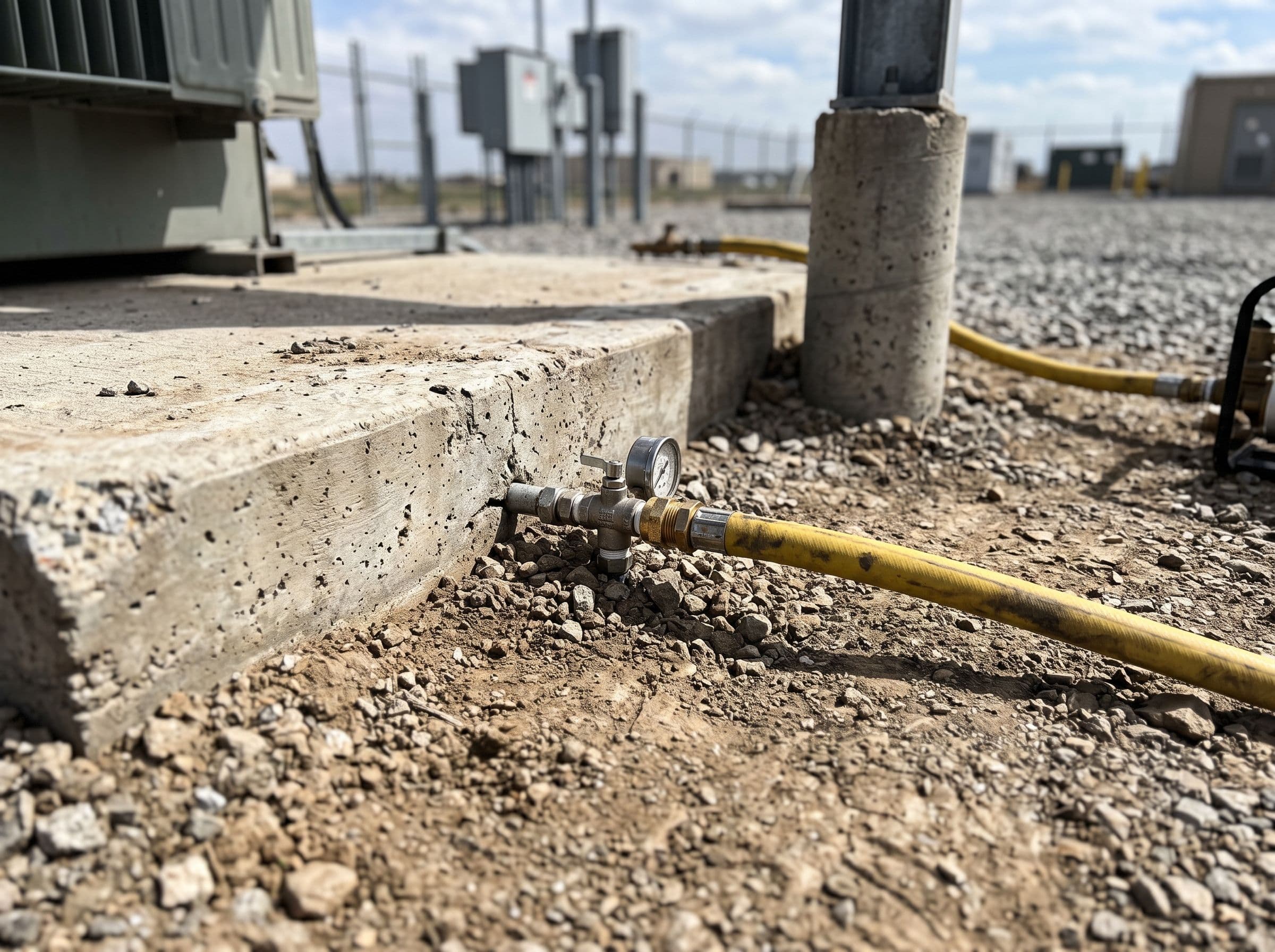
Ground stabilization guidance for energy transmission and distribution infrastructure, covering substation foundations and buried utility corridors.
Read More about Energy Utility Infrastructure


Nuclear Facilities
General ground engineering principles relevant to high-consequence, seismically-designed structures such as nuclear facilities. Not based on confirmed URETEK project experience in this sector.
Read More about Nuclear Facilities
Power Plants
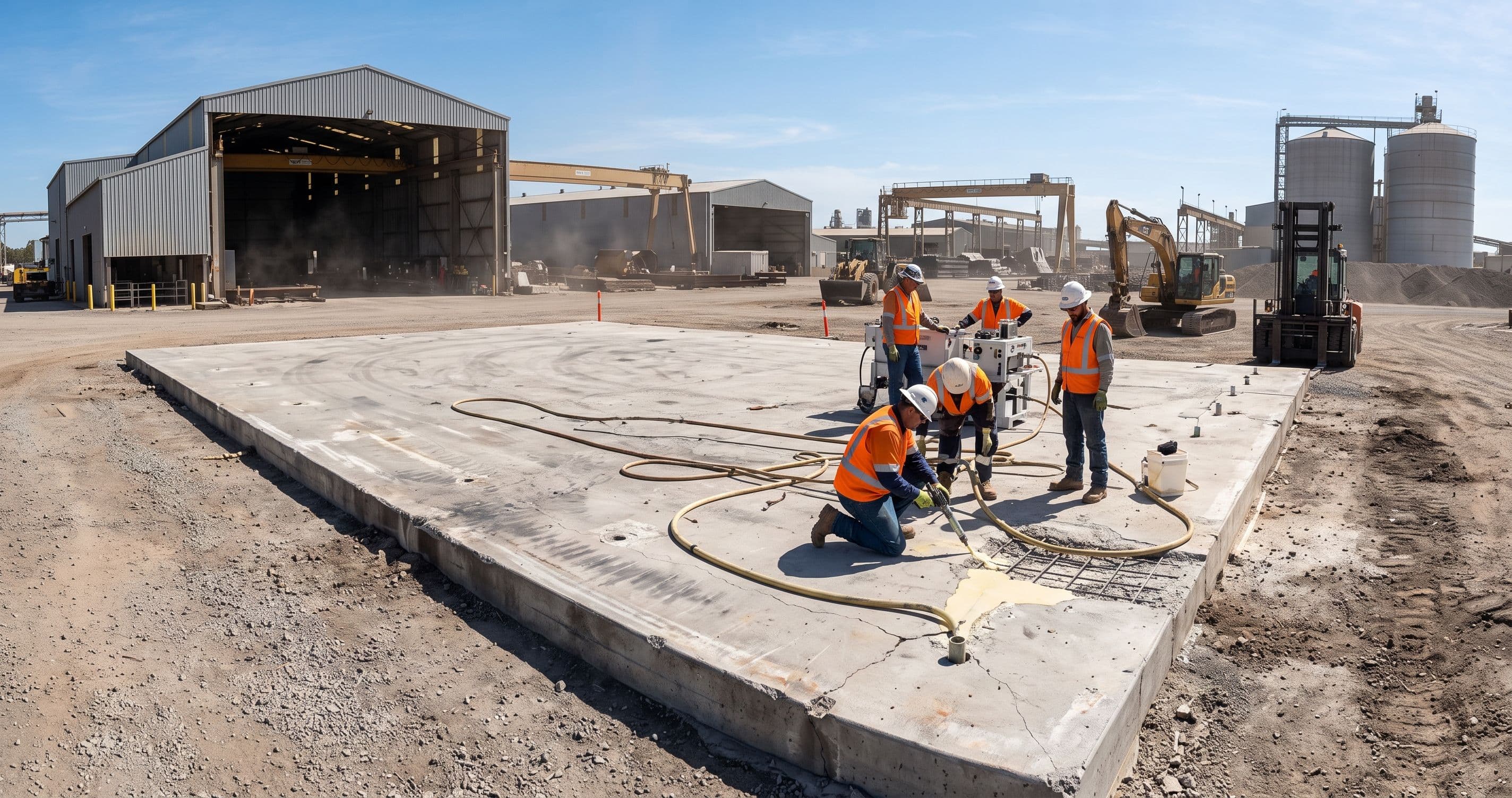
Ground stabilization guidance for power generation facilities, covering settlement beneath heavy equipment foundations, transformer yards, and cooling infrastructure.
Read More about Power Plants
Renewable Energy
URETEK restores uplift-resistance compliance in solar and wind pile foundations using the Injectable Pile Anchor process, without full pile replacement.
Read More about Renewable Energy

Foundations, piles, and the soil around them are evaluated on site, including uplift-resistance or load testing where applicable, before any repair plan is proposed.
Injection design is built around the specific structure, whether that is a pile foundation that failed a compliance test or a settling equipment pad, and coordinated with the site's own engineers.
Work is scheduled to keep the site operating, with treatment installed through small access points rather than removing panels, pads, or structures already in place.
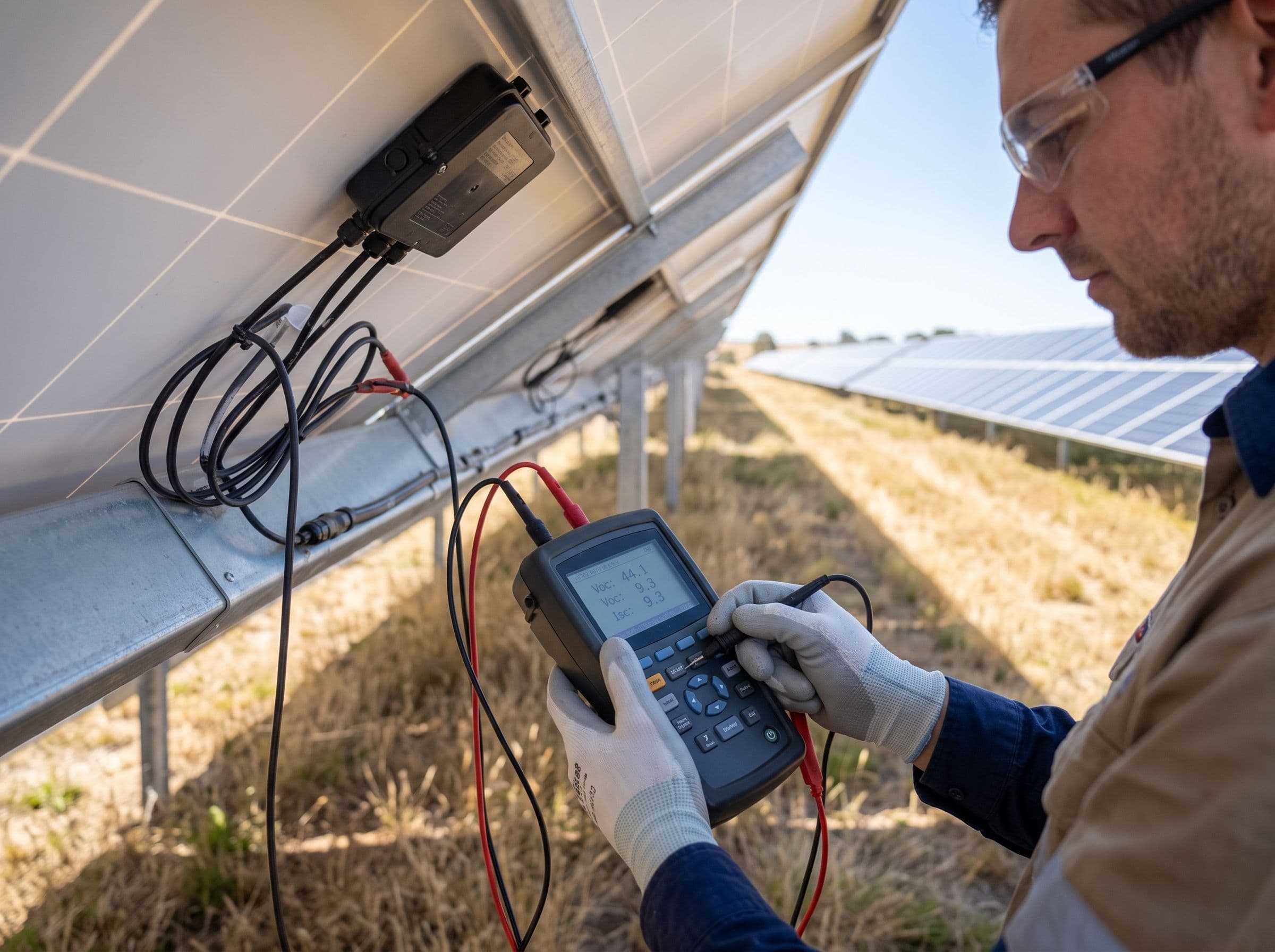
URETEK's core process, small-hole polymer injection to strengthen soil and restore load capacity, is the same process used on the thousands of projects documented since 1989 across transportation, industrial, and commercial sites. On a solar field in the Upper Midwest, that process brought pile foundations that had failed uplift-resistance testing into full compliance, with up to 55 times more resistance measured after treatment. Documented, named power plant and nuclear facility projects are more limited, which is why those two sector pages are marked accordingly.
Soil testing sets the depth and pattern for each structure. Piles that have failed an uplift-resistance test, like the solar field project, need a different treatment than a settling equipment pad, which is closer to the same underlying technique used on tank pad stabilization projects elsewhere in URETEK's work.
That is the design goal on every site URETEK works, since small-hole injection avoids the open excavation that would otherwise force a shutdown. On the solar field project, all 8 tested piles were brought into compliance within weeks, without removing the panels or foundations already in place.
Reach out directly. This category currently has the fewest published, metric-backed case studies of any industry section on this site, particularly for power plants and nuclear facilities, and we would rather point you to what is genuinely documented than overstate it. A URETEK project manager can walk through the specifics of your site.
Get your power plant, renewable energy site, or energy infrastructure assessed by a team that understands foundations under continuous load.
Request Proposal
URETEK
Ground improvement solutions engineered for performance.
Contact Us
Find Local Experts


13900 Humble Road, Tomball, TX 77375
Services
Solutions

 800-240-7868

