

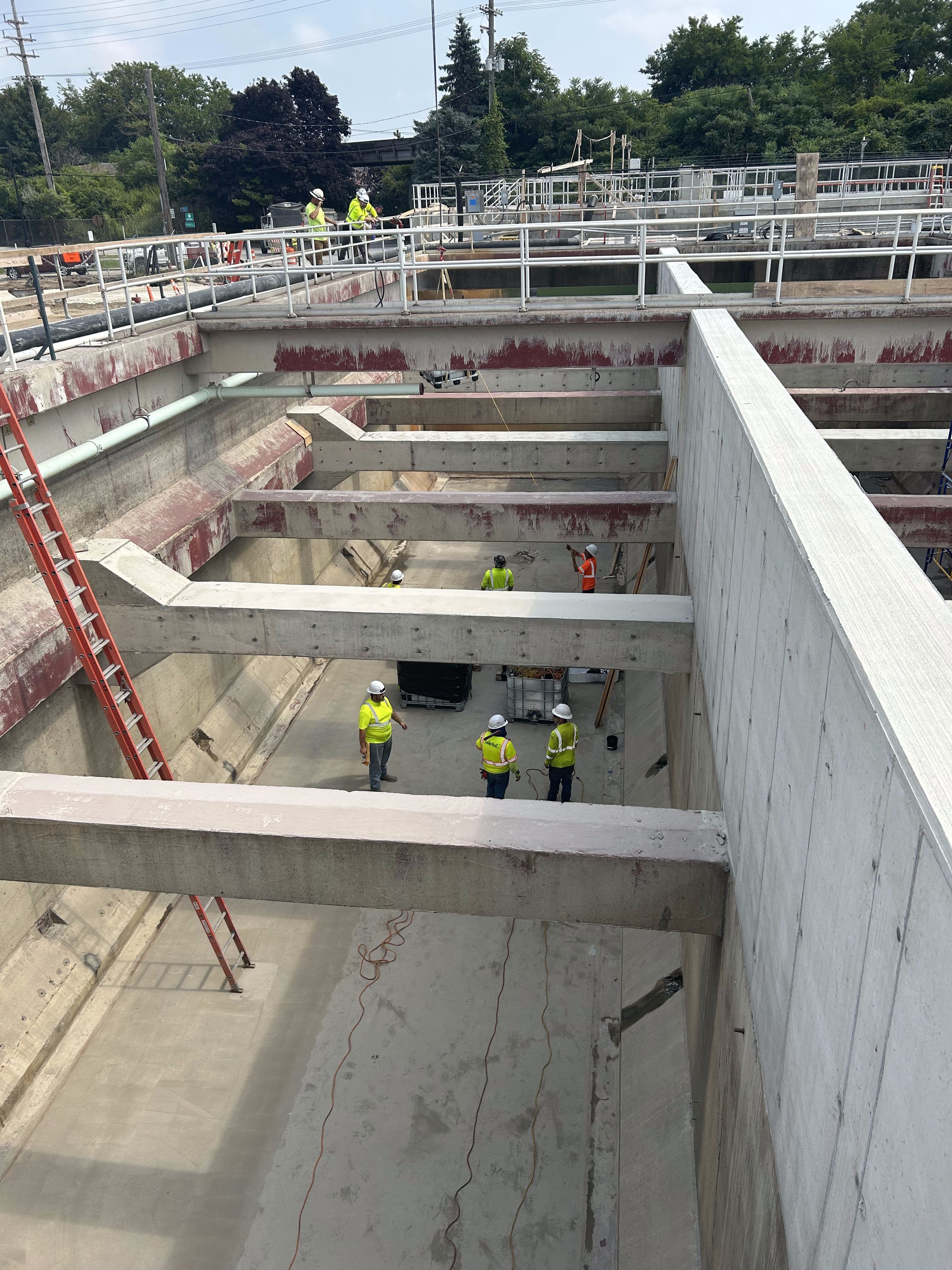
Getting energy from where it's generated to where it's used depends on infrastructure that rarely gets attention until something moves: substation foundations, buried transmission and distribution corridors, and the pipelines that run alongside them.
Solutions for this Industry
Pipeline Stabilization

Utility Void Filling
Trenchless Utility Support
Sibling Industries
Power Plants
Nuclear Facilities
Renewable Energy
Need a Site Assessment?

800-240-7868

Getting energy from where it's generated to where it's used depends on infrastructure that rarely gets attention until something moves: substation foundations, buried transmission and distribution corridors, and the pipelines that run alongside them. Utility companies turn to targeted ground stabilization when settlement or void formation threatens this transmission and distribution infrastructure, distinct from the generation-facility concerns covered elsewhere in this category.
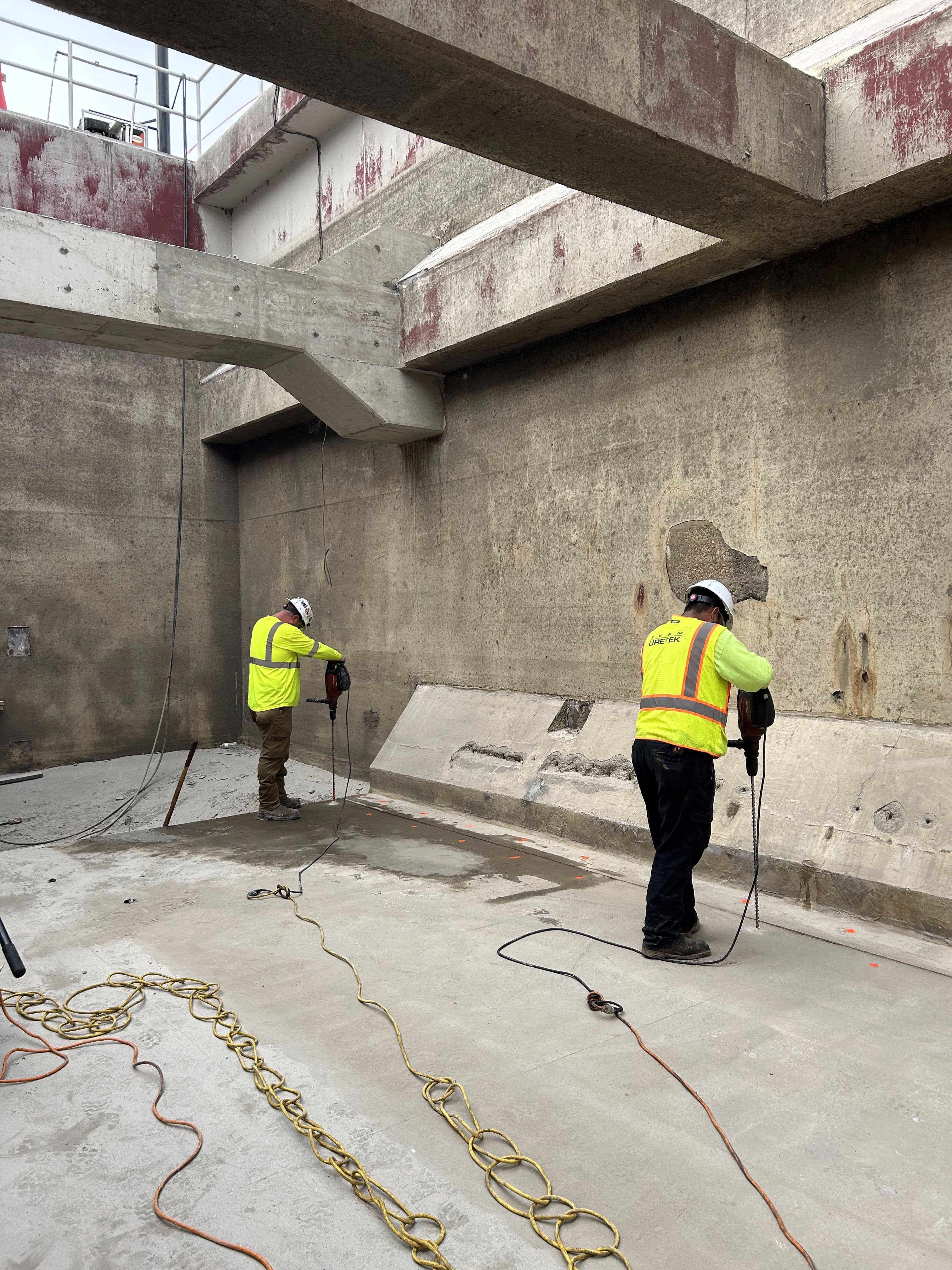
Transmission and distribution infrastructure carries a different set of pressures than the generation facilities it connects.

Settlement or void formation along buried utility corridors carrying transmission lines, gas lines, or fiber infrastructure over long distances
Substation foundations settling unevenly, risking equipment alignment and electrical connection integrity
Limited access along utility rights-of-way, often running through remote, easement-only corridors not built for heavy equipment
Coordinating repair work with the utility company responsible for keeping transmission or distribution service uninterrupted
Meeting utility-specific safety standards for working near energized equipment and buried infrastructure
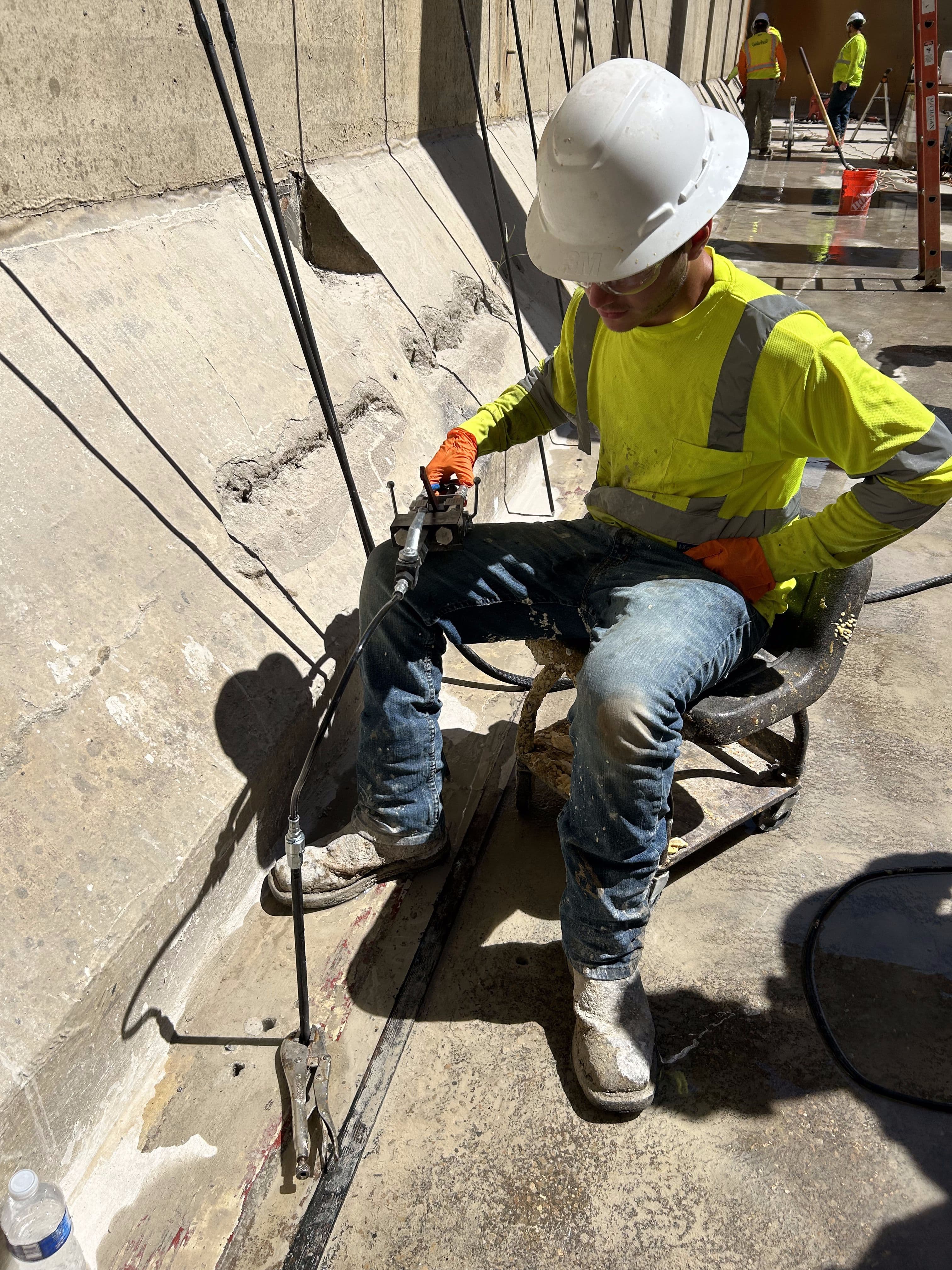
Transmission and distribution infrastructure demands a fix that works along a corridor or beneath a substation without interrupting service.
Works through small access points along a utility corridor, minimizing disruption to a right-of-way not built for heavy equipment
Engineered around the utility's own safety standards for working near energized or buried infrastructure
Strengthens soil directly beneath substation foundations or along a corridor, addressing the structural cause rather than the surface symptom
Crews can mobilize on short notice, including nights, weekends, or holidays, so work can be scheduled around service demands
1
Investigation
Substation foundations or utility corridor conditions are evaluated through testing before any plan is designed.
2
Planning
Injection design is developed around the utility's specific safety and access requirements.
3
Access
Small-diameter injection points are installed along the corridor or foundation with minimal disruption.
4
Injection
Expanding polymer is placed to stabilize soil beneath the affected foundation or corridor as needed.
5
Monitoring
Real-time tracking confirms alignment and stabilization throughout treatment.
6
Validation
Final inspection confirms structural stability and compliance with the utility's own standards.
URETEK 486 Star® cures to 99% of its final strength within minutes of injection, so it isn't a slow-setting material that shifts as it hardens. Soil testing confirms the actual cause of settlement before any injection plan is designed, rather than applying a generic patch.
Any work near energized equipment would be planned around the utility's own safety standards and coordination requirements for that specific site, rather than a standard approach applied regardless of what's actually there.
In most cases, yes, since there is no excavation and no rebuild of the corridor itself required. The fix is applied directly through small access points along the affected section.
In most cases, yes. Crews can mobilize on short notice, including nights, weekends, or holidays, and work through small access points rather than requiring service to be interrupted.
A utility corridor's trench backfill is often less dense than the undisturbed soil around it, which can let the corridor settle or channel water even when the line running through it is functioning normally.
Get an expert site assessment and a tailored stabilization solution.
Request a Site Assessment
URETEK
Ground improvement solutions engineered for performance.
Contact Us
Find Local Experts


13900 Humble Road, Tomball, TX 77375
Services
Solutions

 800-240-7868


