

Industries
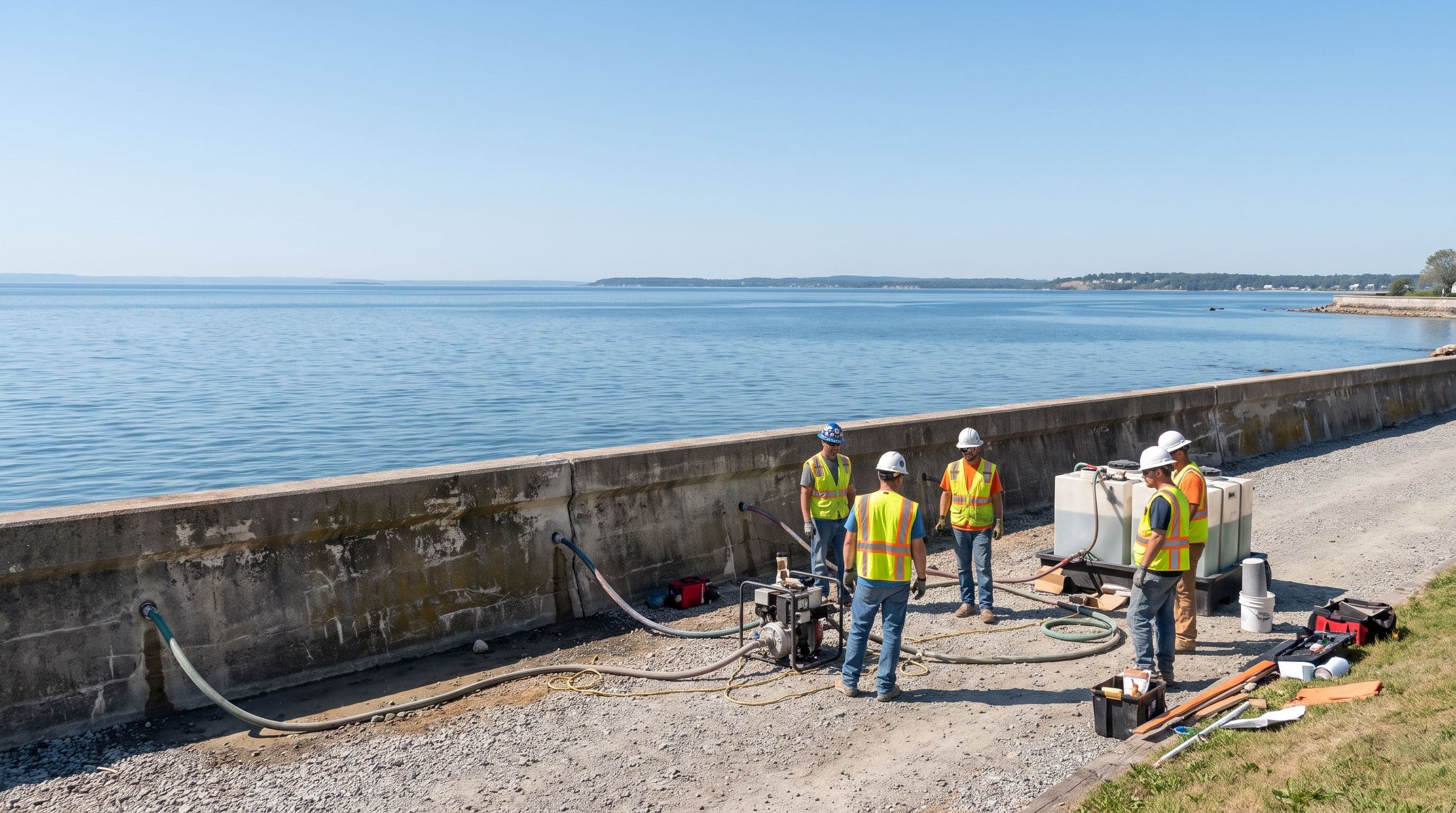
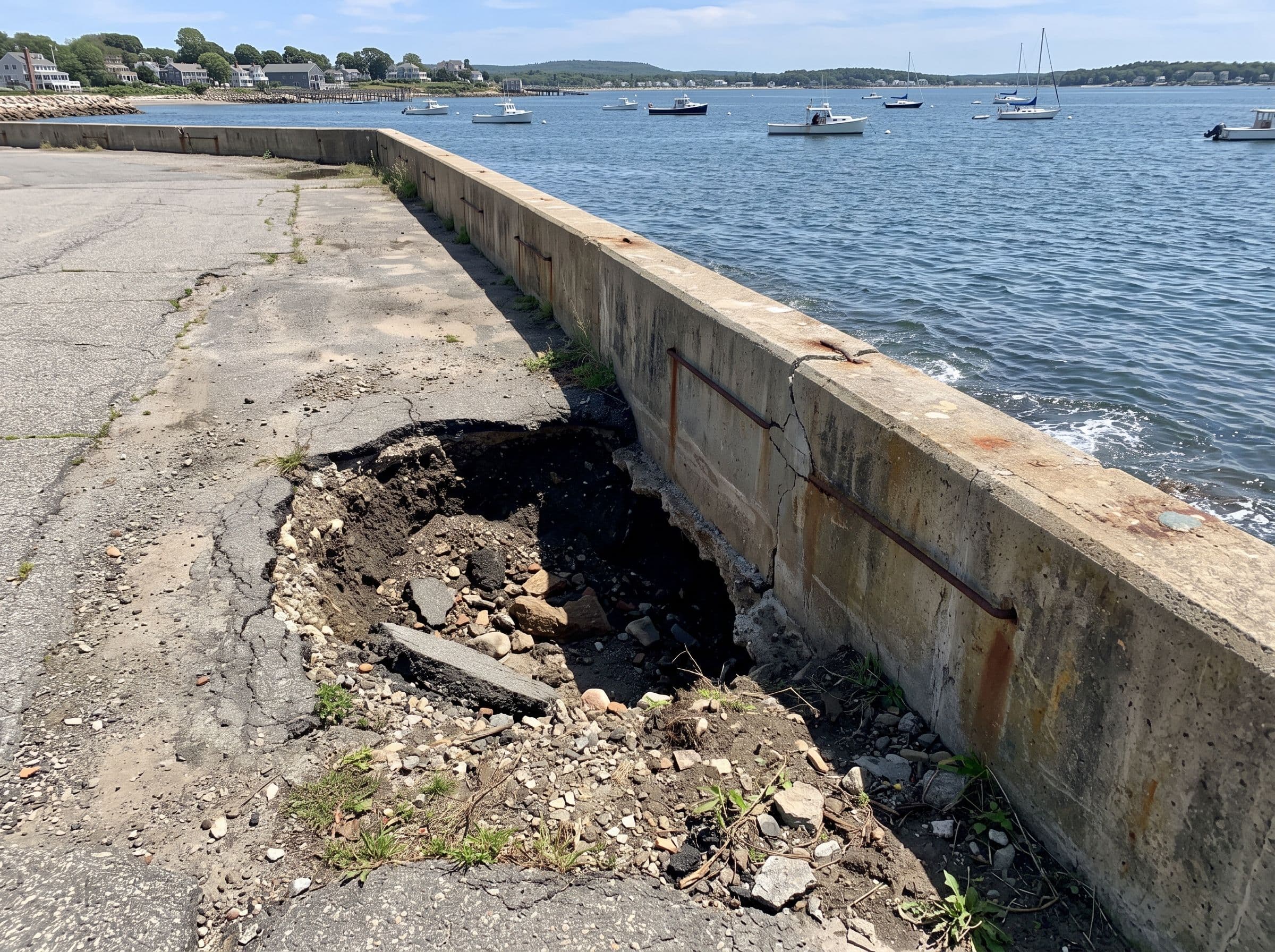
Ports, harbors, seawalls, and bulkheads all hold soil in place against something that never lets up, tidal action, currents, and constant saturation. When that soil washes out or a wall's backing loses strength, the result is a void, a sinkhole, or a wall that starts to lean, and the fix usually can't wait for a full excavation or a wall replacement. URETEK fills the voids and rebuilds soil strength behind marine and coastal structures through underwater and landside polymer injection, without dewatering the site or shutting down the waterfront.
Marine and coastal structures share three pressures, whether the asset is a port terminal, a harbor, or a shoreline wall.

Soil loss behind seawalls and bulkheads from tidal scouring and wave action, eventually opening into a sinkhole or void
Repairs that have to happen without dewatering the site or closing an active port, marina, or waterfront to the public
Meeting strict environmental conditions, like turbidity monitoring, that come with working this close to open water
Bulkheads
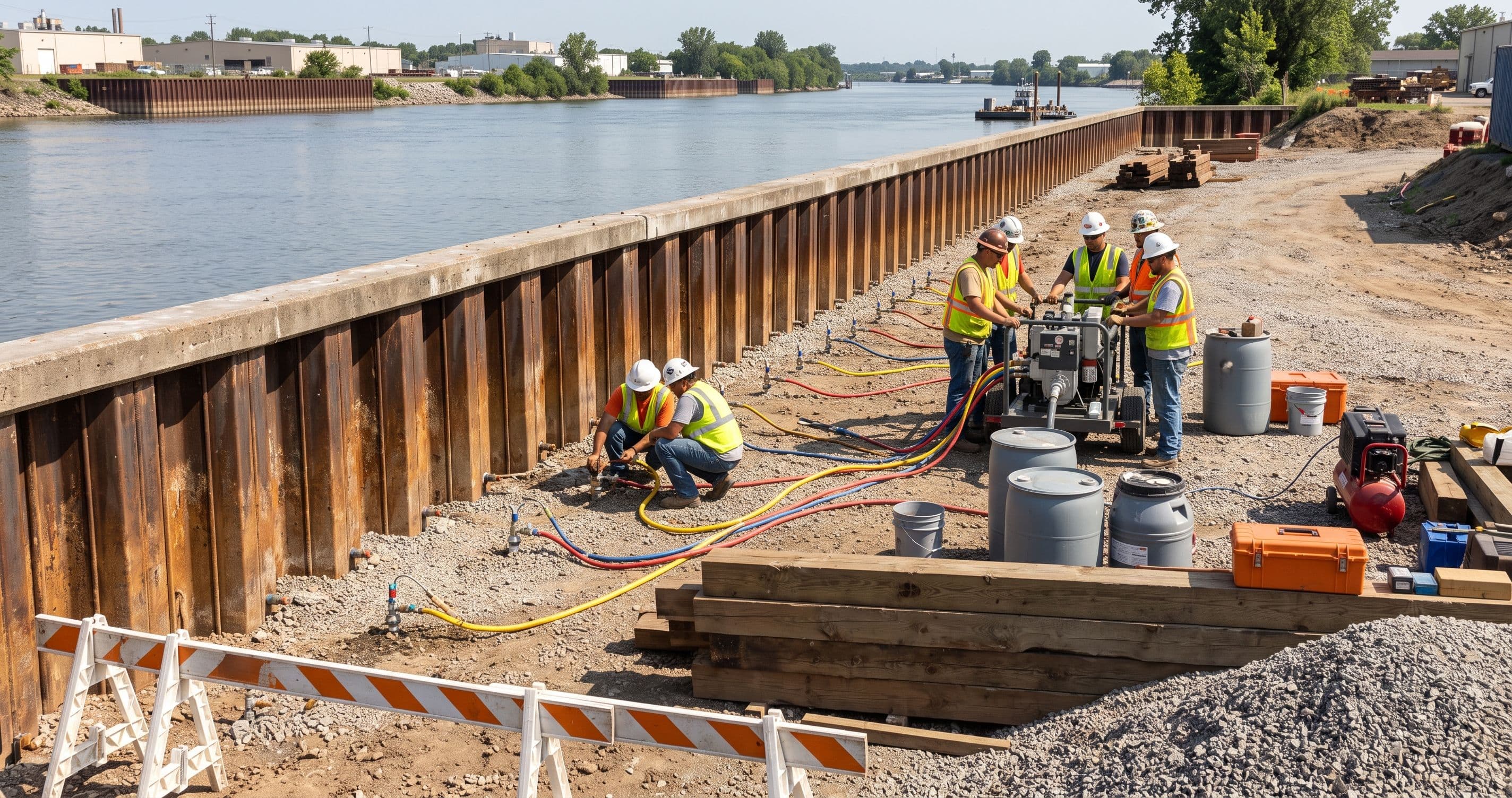
URETEK stabilizes soil behind sheet pile bulkhead walls along rivers and inland waterways using landside polymer injection, confirmed by underwater inspection where needed.
Read More about Bulkheads

Harbors
URETEK fills voids and stabilizes soil behind marina seawalls and public waterfront promenades using layered polymer injection, without excavation or closing public access.
Read More about Harbors
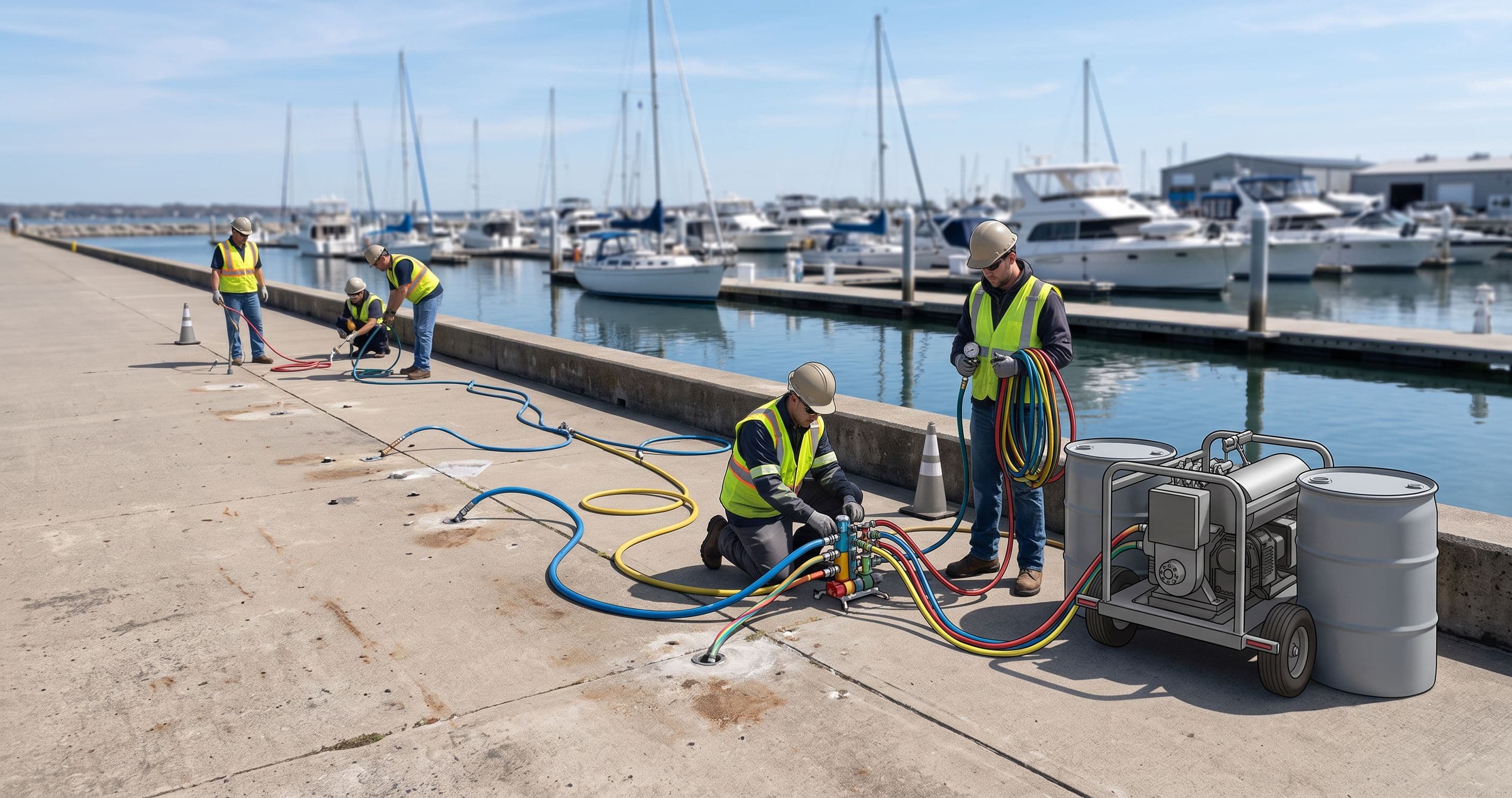
Ports
URETEK stabilizes soil behind bulkheads and beneath terminal structures at working ports using expanding polymer injection, without disrupting cargo or passenger operations.
Read More about Ports

Seawalls
URETEK fills voids and seals leaks behind ocean-facing seawalls using landside polymer injection, without dewatering or excavation, restoring support against tidal erosion.
Read More about Seawalls
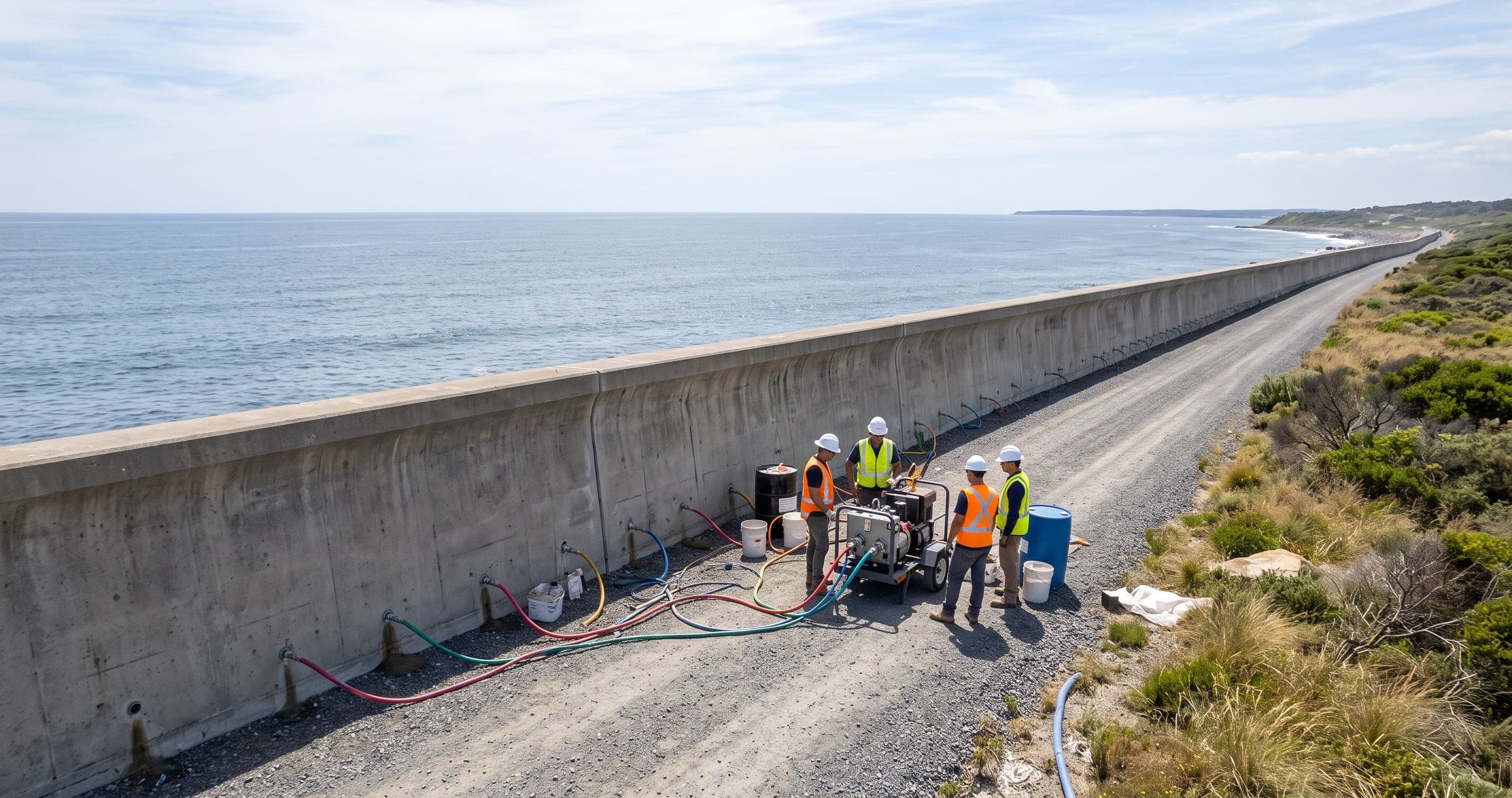
The structure and the soil behind it are evaluated on site, often working around tidal windows or diving conditions that determine when access is even possible.
Injection depth and pattern are designed around the specific structure and site constraints, whether that's a working port terminal, an occupied waterfront hotel, or a public marina promenade.
Work is completed through small-hole injection from the landside or waterside, without dewatering, excavation, or extended closure to the port, harbor, or public waterfront.
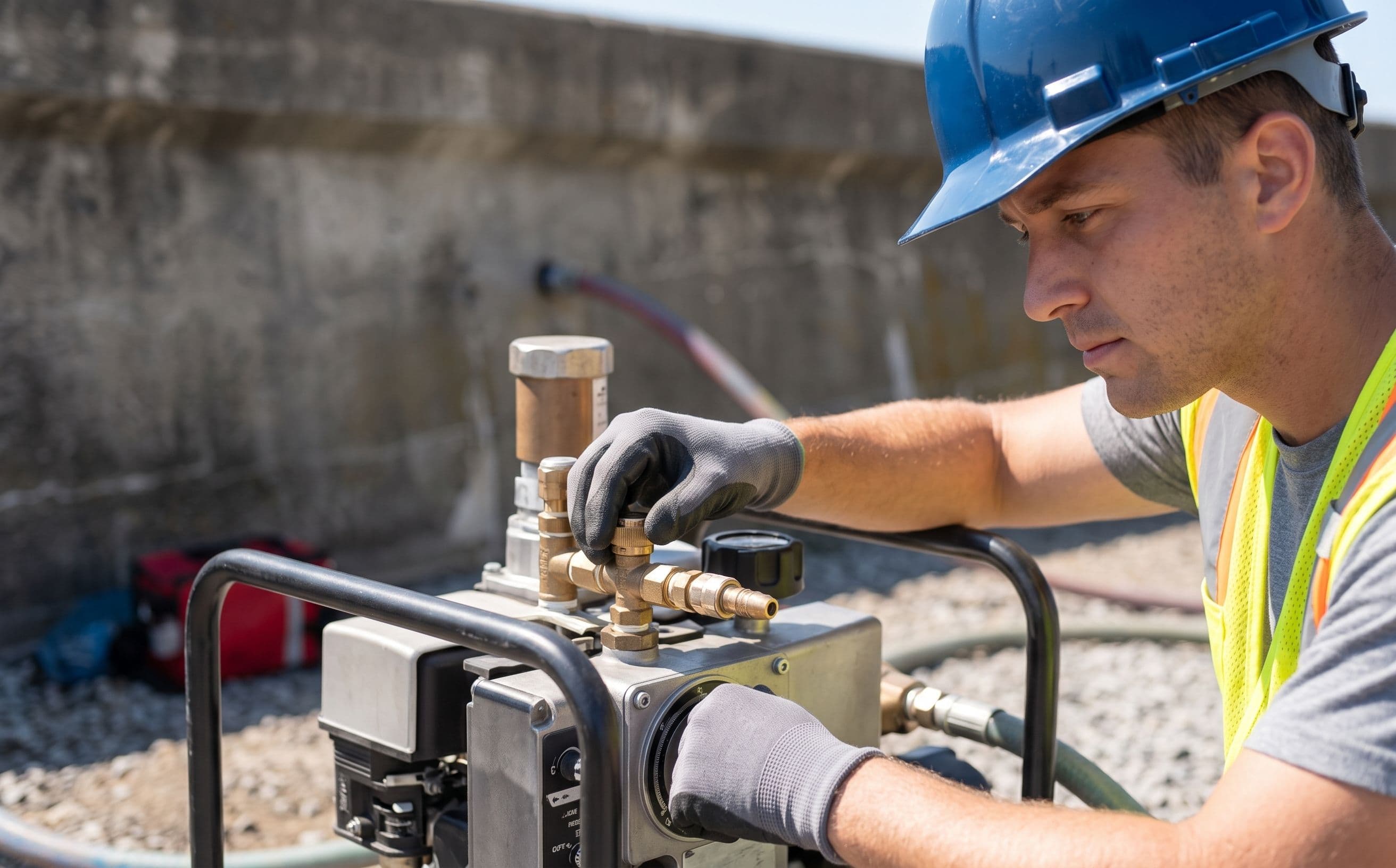
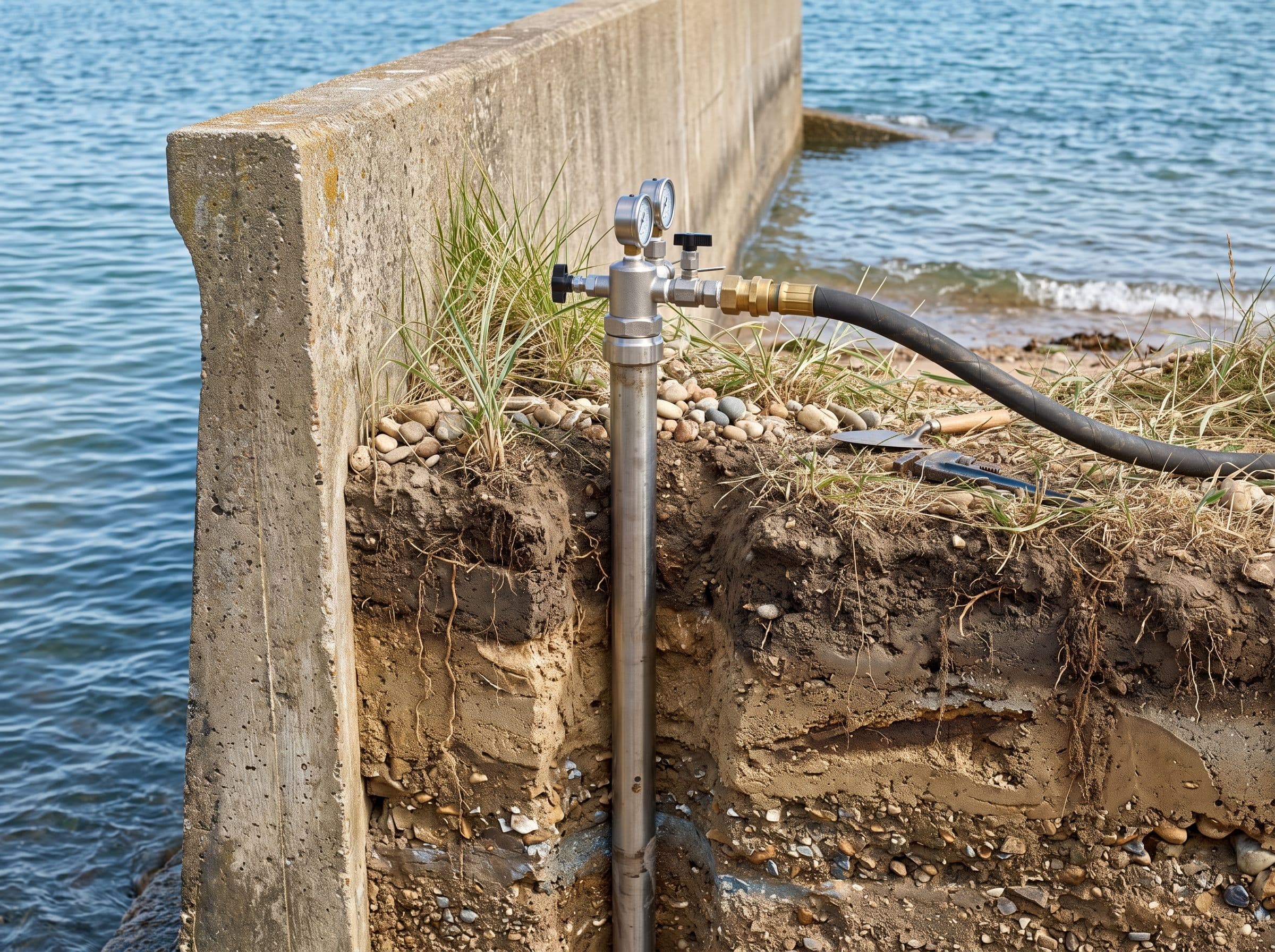
On the St. Pete Pier seawall project, URETEK's injections went as deep as 12 feet into the sand beneath the wall's footing specifically to permeate the soil and stop future loss from tidal action, not just fill the void that existed on the day of the repair. In North Carolina, injection tubes were driven to 20-foot depths along a barrier island seawall for the same reason.
The underlying process is the same, small-hole polymer injection, but the pattern is designed around each structure. On the Ohio River bulkhead repair in Kentucky, work depended on summer pool conditions to get safe diving access to an eight-inch hole 12 feet below the waterline. On the Savannah, Georgia bulkhead project, the plan had to account for an active tourist terminal and an occupied hotel across the street, a very different constraint than a river port authority's diving schedule.
In most cases, yes, since there is no sheet pile replacement, no dewatering, and no extended closure of the waterfront. The Savannah bulkhead project was completed in just two days, and the La Jolla, California coastal repair was finished four days ahead of schedule.
Usually, yes. The Savannah, Georgia project was designed specifically around an active river cruise terminal that could not stop operating. In St. Petersburg, the seawall work was completed as part of an active pier construction project without stopping the broader site.
Crews can mobilize on short notice. On the La Jolla, California coastal restoration, URETEK crews mobilized within three days of being called and completed the work four days ahead of the original schedule.
Get your port, harbor, seawall, or bulkhead assessed by a team that works where the ground meets the water.
Request Proposal
URETEK
Ground improvement solutions engineered for performance.
Contact Us
Find Local Experts


13900 Humble Road, Tomball, TX 77375
Services
Solutions

 800-240-7868

