

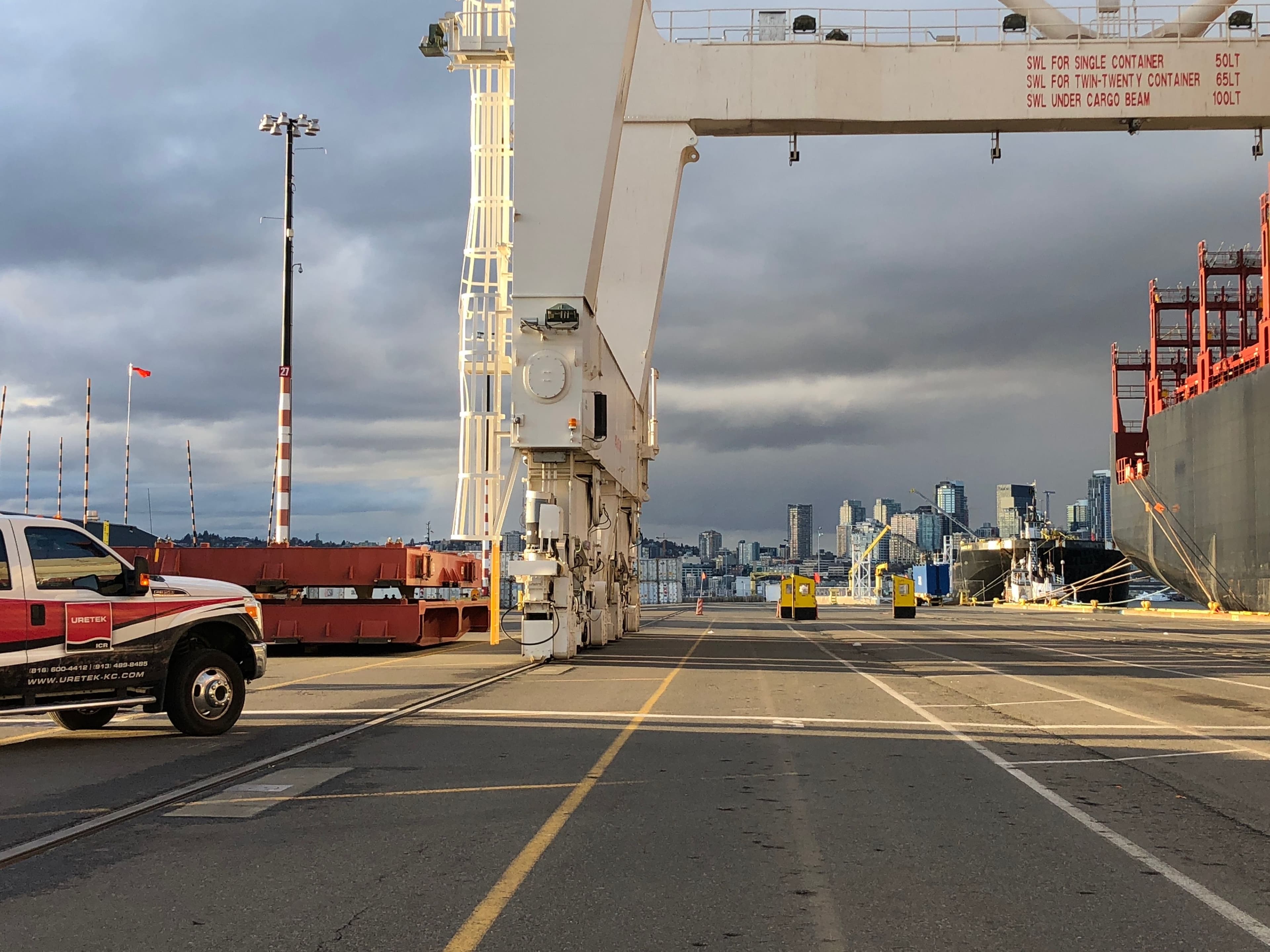
A working port terminal asks more of its bulkheads and foundations than almost any other waterfront structure, constant tidal exposure, heavy crane and container loads, and vessel traffic that can't simply pause for a repair.
Solutions for this Industry
Marine Structure Stabilization

Void Formation
Erosion Voids
Sibling Industries
Harbors
Seawalls
Bulkheads
Need a Site Assessment?

800-240-7868

A working port terminal asks more of its bulkheads and foundations than almost any other waterfront structure, constant tidal exposure, heavy crane and container loads, and vessel traffic that can't simply pause for a repair. Port authorities and terminal operators turn to targeted ground stabilization when soil behind a bulkhead or beneath a terminal structure has eroded or settled, without wanting to interrupt cargo or passenger operations to fix it.
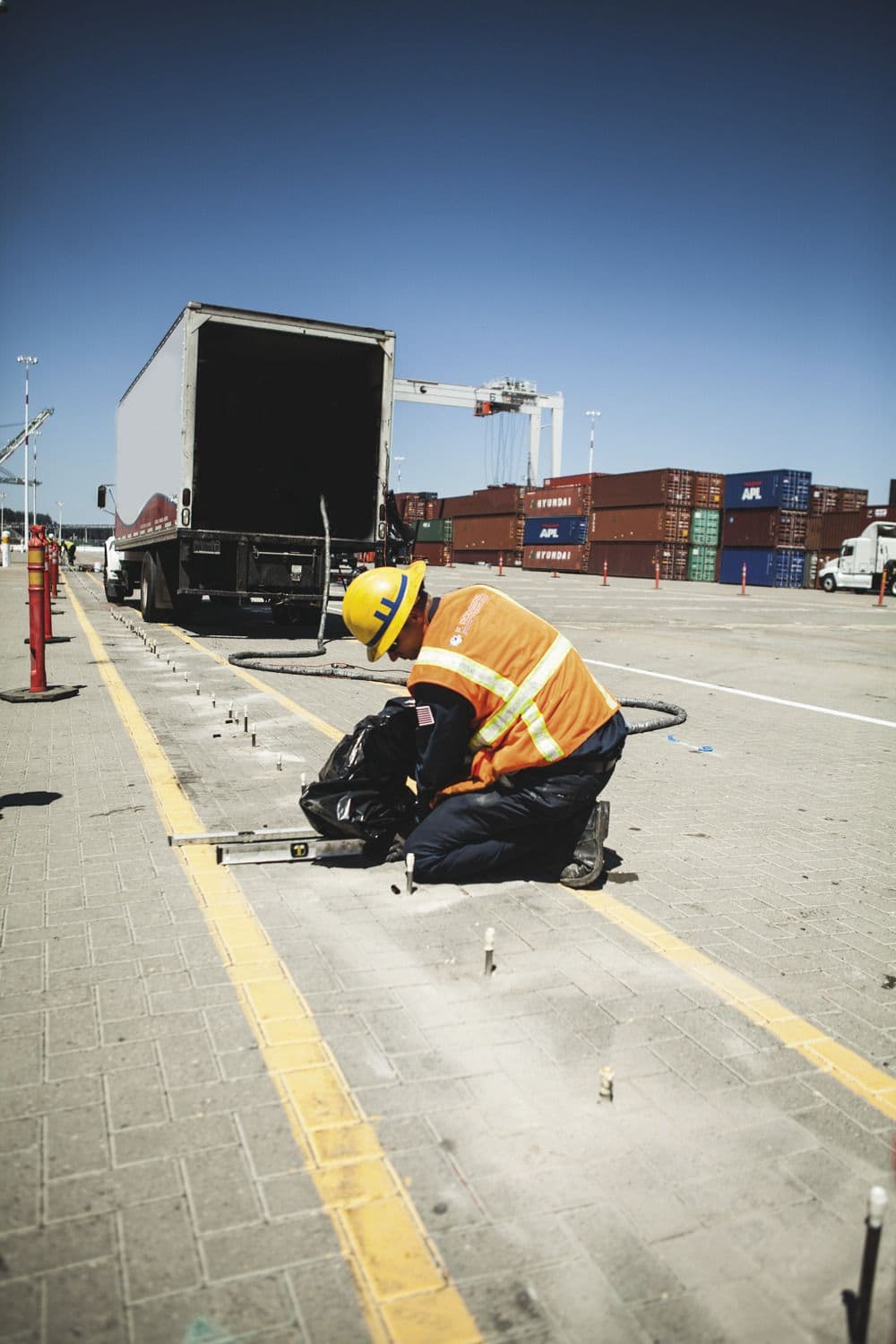
Port and terminal infrastructure carries operating pressures distinct from smaller marina or recreational waterfront facilities.

Settlement or void formation behind bulkheads and terminal structures from tidal action and vessel wake over years of exposure
Continuous cargo and passenger operations, since a working port terminal generally can't be shut down for an extended repair
Heavy, concentrated loads from cranes, containers, and vessel loading equipment placing unusual demand on terminal foundations
Coordinating repair work around port authority schedules, tenant operations, and vessel traffic
Meeting maritime and port authority engineering and safety standards
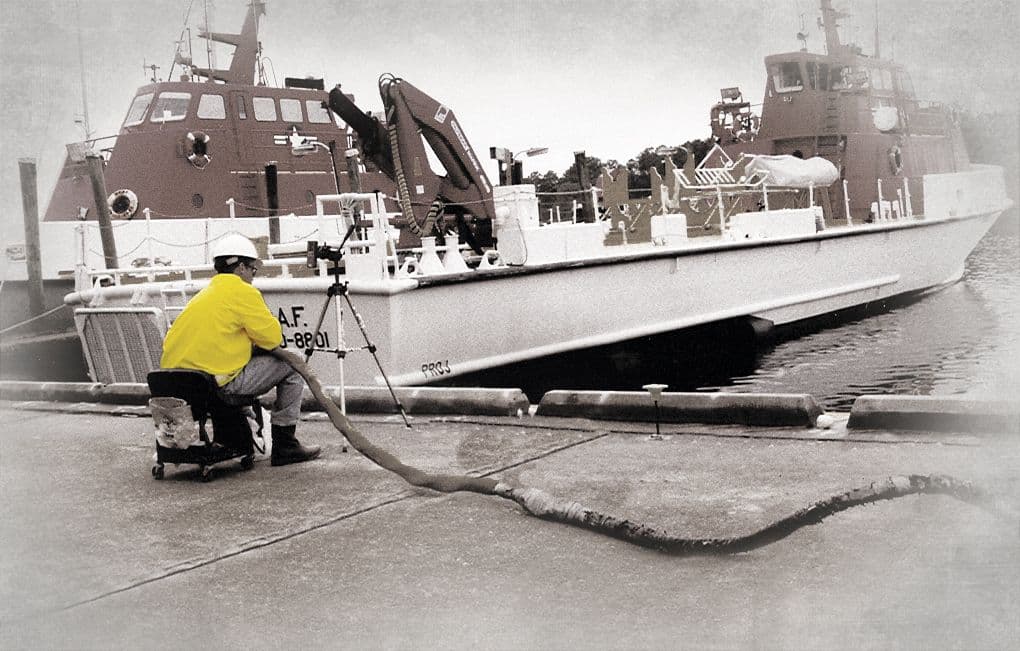
Port infrastructure demands a fix that restores support without interrupting cargo or passenger operations.
Minimal disruption to active operations. On a River Street terminal project in Savannah, Georgia, work was completed after just two days on site, next to an occupied hotel and active tourist river-cruise terminal
Engineered to the port authority's own site-specific requirements, not a generic approach
Stabilizes soil behind an aging bulkhead structure directly, addressing the erosion cause rather than the visible symptom
Scheduled around vessel traffic and terminal operations rather than requiring an extended shutdown
1
Investigation
Bulkhead, terminal foundation, and surrounding soil conditions are evaluated through testing.
2
Planning
Injection design is developed around the port authority's operational schedule and site constraints.
3
Access
Small-diameter injection points are installed with minimal disruption to terminal or vessel operations.
4
Injection
Structural polymer or grout is placed to stabilize soil behind the bulkhead or beneath terminal structures.
5
Monitoring
Real-time tracking confirms stabilization throughout the work.
6
Validation
Final inspection confirms structural stability and compliance with port authority standards.
On a River Street terminal project in Savannah, Georgia, URETEK completed the work after just two days on site, next to an occupied hotel and active tourist river-cruise terminal traffic, grouting the soils behind an older bulkhead directly rather than applying a surface patch.
Testing and investigation confirm the depth and extent of the affected soil before any injection plan is designed. On a riverfront marine facility on the Oregon coast, load testing and penetrometer readings were used to verify soil improvement following treatment.
In most cases, yes, since the fix stabilizes the soil behind the existing structure rather than requiring the bulkhead or terminal foundation to be removed and rebuilt.
In most cases, yes. The Savannah, Georgia terminal project was completed in just two days on site, next to an occupied hotel and active tourist terminal traffic, without requiring operations to stop.
Heavy, concentrated loads from cranes, containers, and vessel loading equipment combine with constant tidal exposure in a way most waterfront property never experiences, placing unusual demand on the soil supporting terminal foundations and bulkheads.
Get an expert site assessment and a tailored stabilization solution.
Request a Site Assessment
URETEK
Ground improvement solutions engineered for performance.
Contact Us
Find Local Experts


13900 Humble Road, Tomball, TX 77375
Services
Solutions

 800-240-7868


