

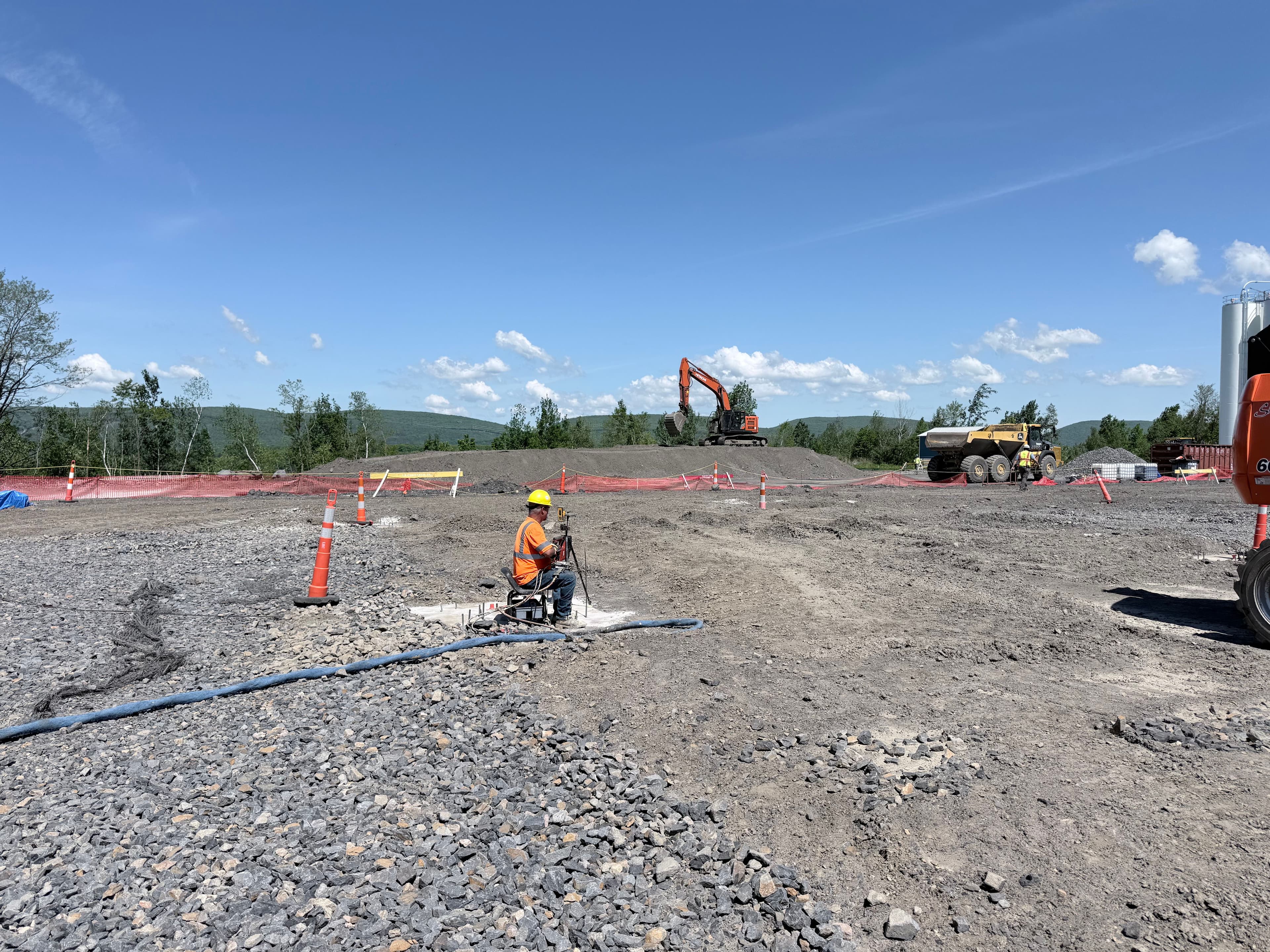
Mining and extraction sites place heavy, sustained loads on soil that's often already been disturbed by the extraction activity itself.
Solutions for this Industry
Weak Soils

Erosion Voids
Settlement Remediation
Sibling Industries
Manufacturing Plants
Refineries
Processing Facilities
Need a Site Assessment?

800-240-7868

Mining and extraction sites place heavy, sustained loads on soil that's often already been disturbed by the extraction activity itself. This page describes general ground engineering principles relevant to that setting, not a documented URETEK project history at an active mining facility, see the flag above.

Foundation settlement near active extraction areas, where ground conditions can be less predictable than an undisturbed site
Heavy equipment and processing infrastructure placing concentrated loads on foundations at remote or difficult-access sites
Continuous operation requirements, since a mining or processing facility often can't pause extraction for an extended repair
Limited site access at many mining operations, requiring equipment and methods suited to remote or rugged terrain
Meeting mine-specific safety and environmental regulatory standards for any ground engineering work

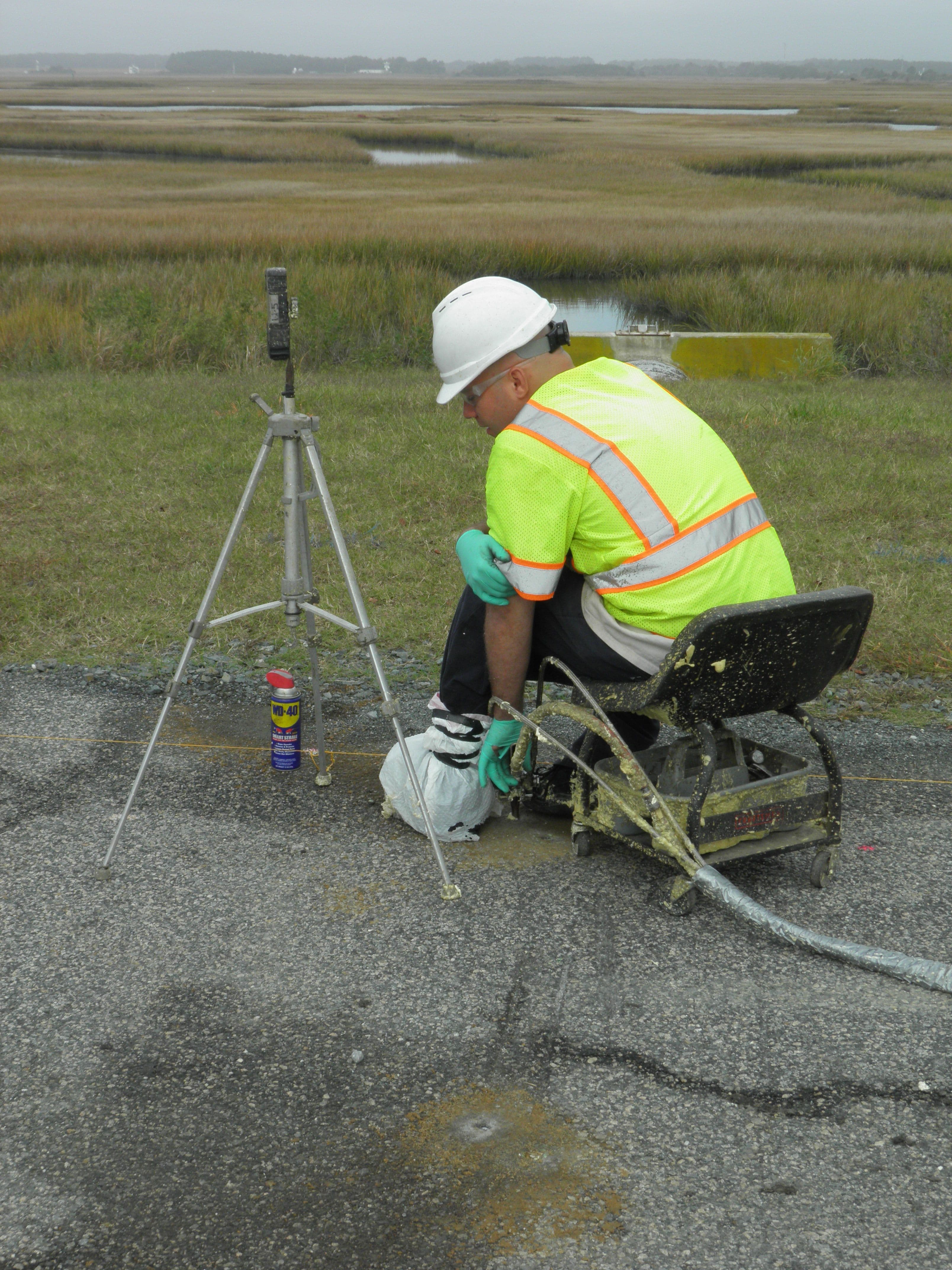
Works through small access points, relevant at remote sites where heavy excavation equipment may be difficult to mobilize
Any real engagement at a mining site would be engineered around that facility's own safety and environmental requirements
Strengthens soil directly beneath a foundation rather than only reinforcing the structure above it
Crews can generally mobilize on short notice, though scheduling at an active mining site would follow that site's own access and safety protocols
1
Investigation
Foundation and surrounding soil conditions are evaluated through testing before any plan is designed.
2
Planning
Any injection design would need to be developed around the site's specific operational and safety requirements.
3
Access
Small-diameter injection points, where feasible, minimize disruption relative to conventional excavation.
4
Injection
Expanding polymer is placed to stabilize soil beneath the affected foundation as needed.
5
Monitoring
Real-time tracking confirms alignment and stabilization throughout treatment.
6
Validation
Final inspection would need to confirm compliance with the site's own regulatory and safety standards.
Work would be performed through small access points rather than open excavation, and scheduled around the specific site's operational and safety requirements, the same general approach used across other industrial settings.
In most cases, yes, since the fix targets the weak soil layer directly through injection rather than requiring the affected foundation to be excavated and rebuilt.
Soil testing identifies the depth and extent of the weak layer before any injection plan is designed, the same investigative approach used across all industrial ground engineering work.
In most cases, yes. Crews can mobilize on short notice, including nights, weekends, or holidays, and work through small access points rather than requiring operations to stop.
No project at an active mining or extraction facility is currently documented in URETEK's case study library. This page describes general ground engineering principles applicable to industrial and extraction sites, not a specific URETEK project history in mining.
Get in touch to discuss your site's specific ground engineering requirements.
Contact Our Team
URETEK
Ground improvement solutions engineered for performance.
Contact Us
Find Local Experts


13900 Humble Road, Tomball, TX 77375
Services
Solutions

 800-240-7868


