

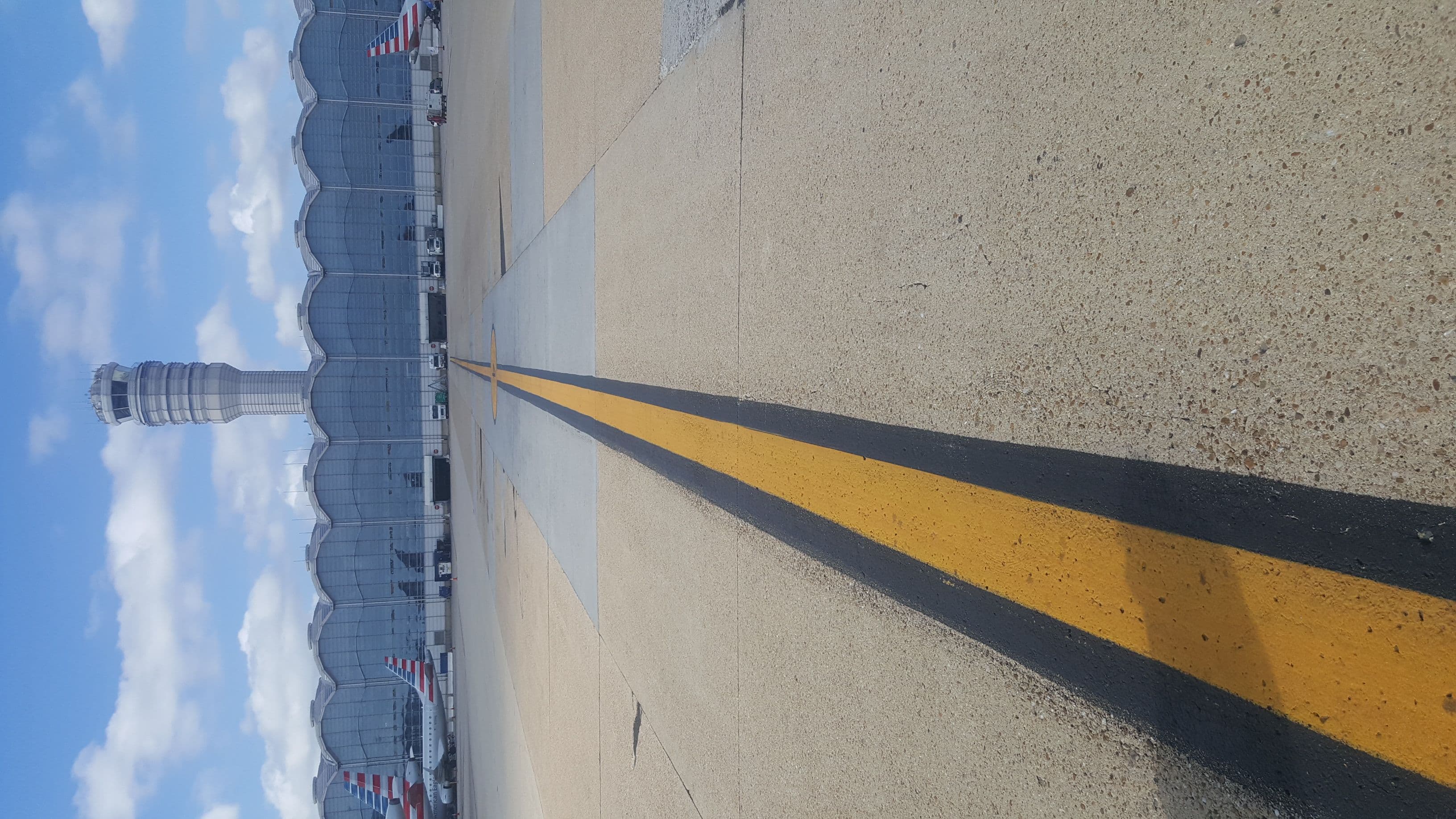
A dip in the road rarely stays the same size. Whatever weakened the soil beneath the pavement keeps working on it even after a patch goes down on top.
Applied in these Services
Settlement Control

Related Industries
Transportation
Municipal Infrastructure
Need a Site Assessment?

800-240-7868

A dip in the road rarely stays the same size. Whatever weakened the soil beneath the pavement, poor foundation soil, a failing culvert, years of heavy traffic, keeps working on it even after a patch goes down on top. Pavement Settlement lifts the road back to grade and stabilizes the subgrade directly, addressing the cause rather than the surface symptom. Departments of transportation and municipal agencies turn to it whenever a stretch of roadway keeps settling in the same spot.
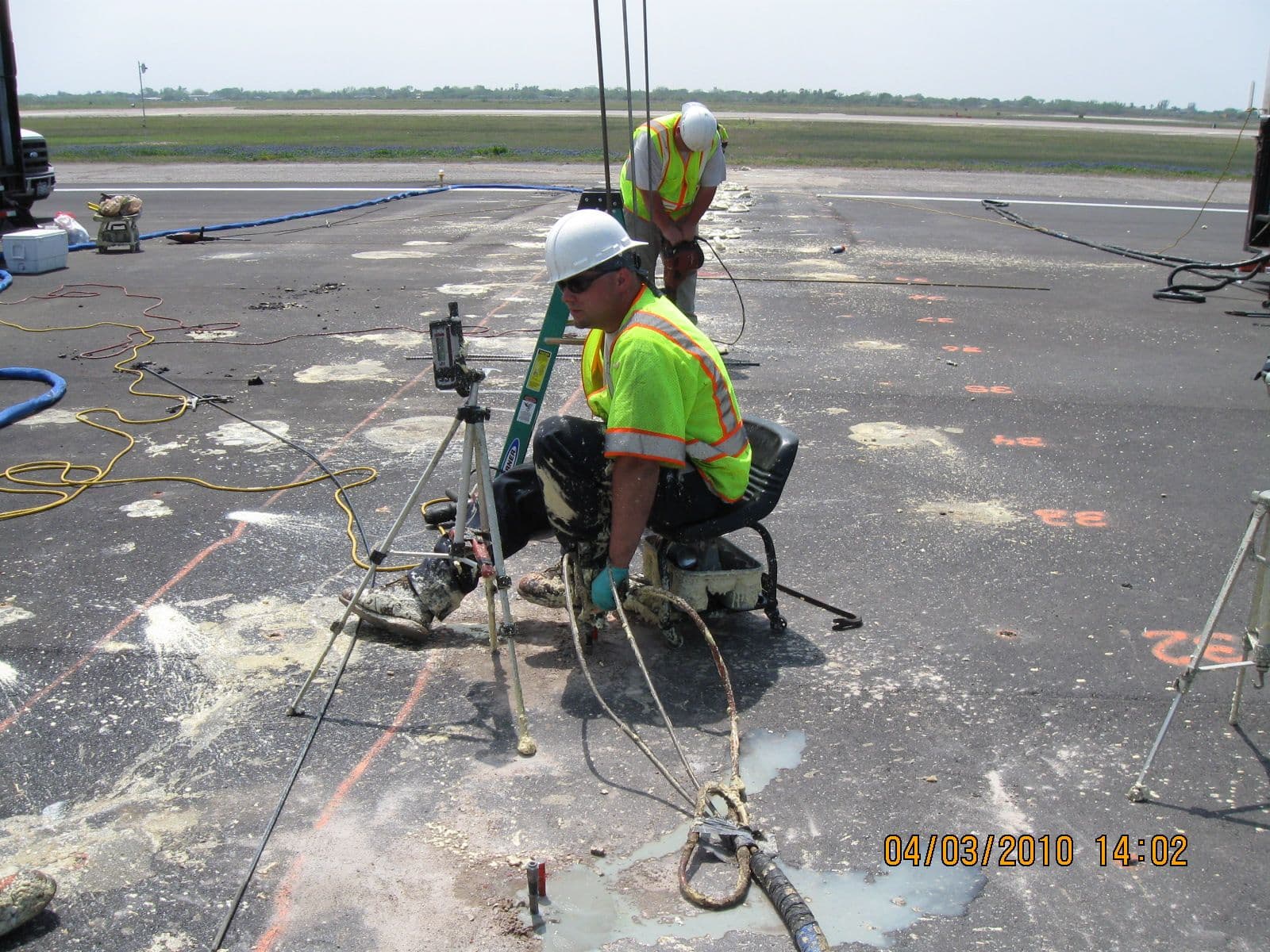
Pavement settlement almost always traces back to what's happening beneath the surface, not the pavement material itself. Here's what URETEK sees most often.

Poor or uneven foundation soil beneath the pavement never had the bearing capacity to reliably support the load placed on it
A nearby culvert, drainage structure, or utility line has failed or eroded, washing away the soil supporting the pavement above it
Repeated heavy traffic loading gradually compacts and displaces subgrade soil unevenly across a section of roadway
Years of freeze-thaw cycles or water infiltration weaken the subgrade beneath a specific stretch of pavement
Pavement settlement is usually visible well before it's measured. Watch for these.
A dip, wave, or depression forming in a specific section of pavement
Cracking, rutting, or faulting appearing where the roadway has settled unevenly
A section of road that requires repeated resurfacing or patching in the same spot
Poor rideability or a rough ride reported at a specific location along a route
Pavement settlement lining up with a known culvert, drainage structure, or utility crossing beneath it
Testing, such as FWD or DCP, confirming reduced pavement stiffness at a specific section

This is the right page when an open stretch of roadway pavement is settling, cracking, or rutting due to a subgrade or foundation soil issue.
It's not the best fit in every case. Check these first:
 The settlement is specifically at a bridge transition? See Bridge Approach Settlement.The settlement is beneath a rail line, not a road? See Rail Subgrade Stabilization.The problem is on or near a marine structure? See Marine Structure Stabilization.
Pavement settlement is often driven by a culvert or drainage issue beneath the road. Soil Loss is worth checking too if erosion is the underlying cause.
What lifting the pavement and stabilizing the subgrade, instead of just resurfacing over the problem, actually gets you.
Strengthens and lifts the pavement back to grade by addressing the subgrade directly, restoring the driving surface rather than resurfacing over the underlying problem
Reduces the risk of a rough or uneven section of road becoming a safety hazard for drivers
Keeps traffic moving. A demonstration project for Caltrans District 12 was conducted entirely overnight specifically to minimize impact on traffic
Measured in hours, not days. A pavement fatigue repair in San Jose was completed entirely from mobilization to cleanup in under six hours
Structural polyurethane is injected into the pavement system to strengthen the subgrade. On an I-80 project in Ohio, this raised pavement stiffness by an average of 388 percent, verified through post-repair testing
Settlement Control, the Service, performs this fix directly, targeting the specific subgrade weakness identified beneath the pavement
URETEK's general approach injects structural polyurethane into the pavement system to strengthen the subgrade and lift the settled section back to grade. Work is often completed in hours rather than days, and scheduled to minimize traffic disruption wherever possible.
This is exactly what the Settlement Control service does, applied here to an open roadway. It's different from Bridge Approach Settlement's focus on the road-to-bridge transition, and different from Rail Subgrade Stabilization's rail-specific setting.
URETEK has lifted and stabilized settled roadway pavement for departments of transportation and municipal agencies nationwide.


On an I-80 project in Ohio, post-repair testing confirmed an average 388 percent improvement in pavement stiffness, verified through Falling Weight Deflectometer testing rather than assumed after the fact.
On an I-275 project in Ohio, Dynamic Cone Penetrometer testing results were used to determine injection depths before work began, rather than applying a standard approach regardless of what the testing showed.
Often significantly so. A school zone roadway repair in San Antonio was completed 20 days faster and with a cost savings of $125,000 compared to traditional repair methods. On the I-275 project in Ohio, avoiding full reconstruction meant not having to excavate six lanes 50 feet down to replace a corrugated metal pipe and rebuild the interstate.
Yes, in most cases. A demonstration project for Caltrans District 12 was completed in five hours, conducted entirely overnight to minimize impact on traffic, and a pavement fatigue repair in San Jose was completed from mobilization to cleanup in under six hours.
Caltrans District 12 officials wanted to see the process for themselves before broader use. The demonstration project was completed using less material and less time than the budget originally allotted, giving them direct confirmation before committing to the method more broadly.
Get the pavement lifted and the soil beneath it stabilized.
Request a Pavement Assessment
URETEK
Ground improvement solutions engineered for performance.
Contact Us
Find Local Experts


13900 Humble Road, Tomball, TX 77375
Services
Solutions

 800-240-7868


