

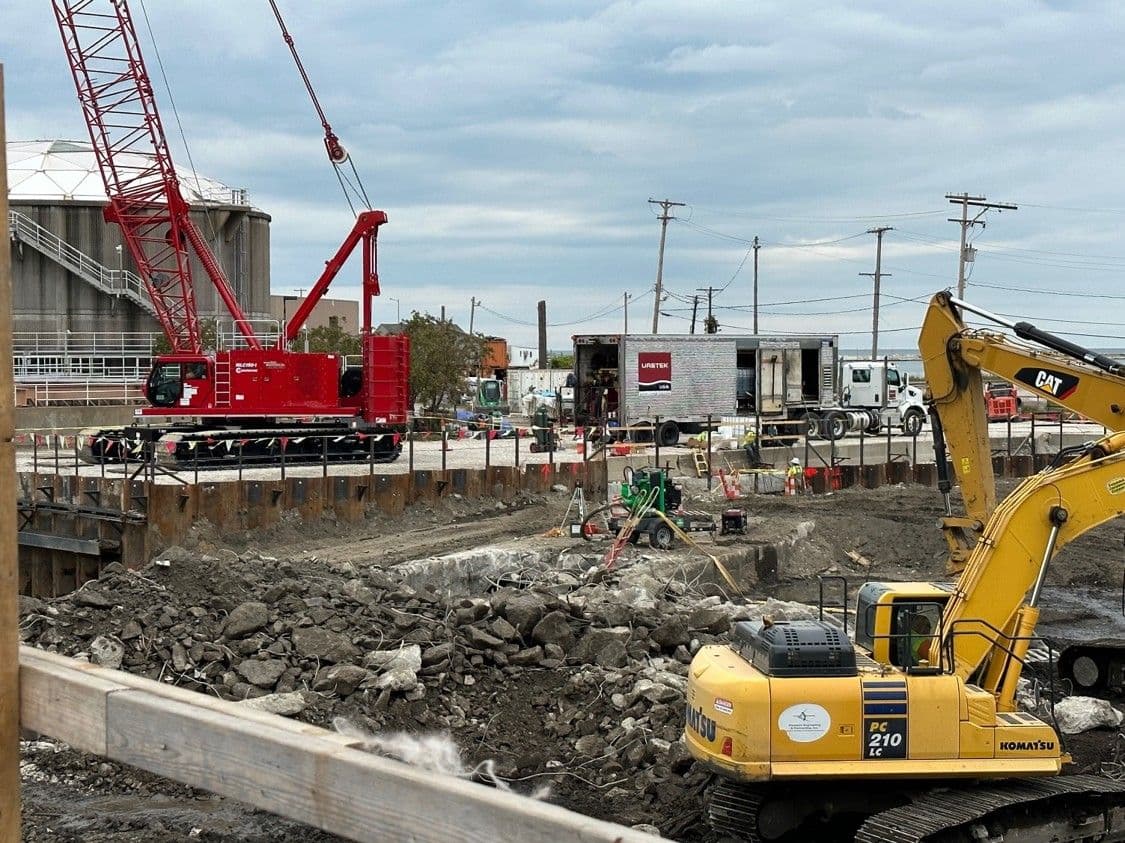
A foundation doesn't fail all at once. It settles a little, then a little more, as the soil beneath it keeps losing strength.
Solutions for this Service
Settlement Remediation

Foundation Stabilization
Weak Soils
Related Industries
Commercial and Institutional
Industrial Facilities
Need a Site Assessment?

800-240-7868

A foundation doesn't fail all at once. It settles a little, then a little more, as the soil beneath it keeps losing strength. Foundation Stabilization reinforces that soil through polymer injection, restoring bearing capacity and correcting settlement without excavating or rebuilding the foundation itself. Facility owners, engineers, and public agencies use it when a commercial or industrial foundation is settling and needs to be stabilized without taking the building offline.
A settling foundation doesn't correct itself. Here's what it looks like before it becomes structural damage.

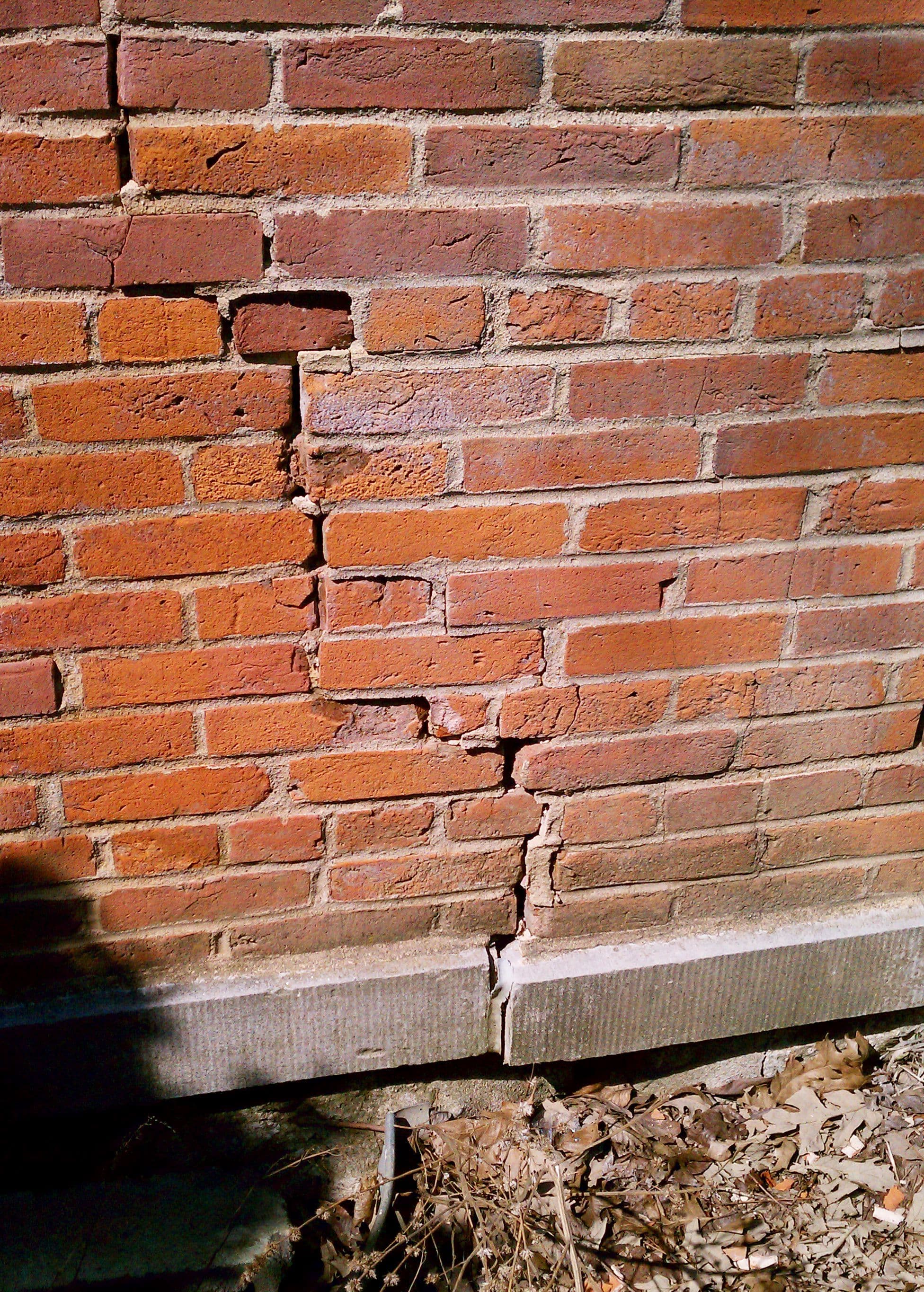
Differential settlement causing cracks in walls, floors, or foundation footings
Weak or compressible soil beneath a foundation that can no longer carry the building's full load
A foundation losing bearing capacity as a facility takes on heavier equipment, inventory, or renovation loads than it was originally built for
Older commercial or industrial buildings where the original foundation was never designed for current use
A foundation losing bearing capacity usually shows up above ground well before it becomes a structural emergency.
Cracks in foundation walls, especially stair-step cracks in block or brick construction
Doors and windows that stick or no longer close square
Uneven floors or a visible dip along one section of the building
New equipment, storage loads, or renovation plans that exceed the foundation's original design capacity
A foundation that has settled before and shows signs of settling again
Visible gaps forming between the foundation and an attached slab, porch, or addition
Why facility owners and engineers choose Foundation Stabilization over excavation-based repair.
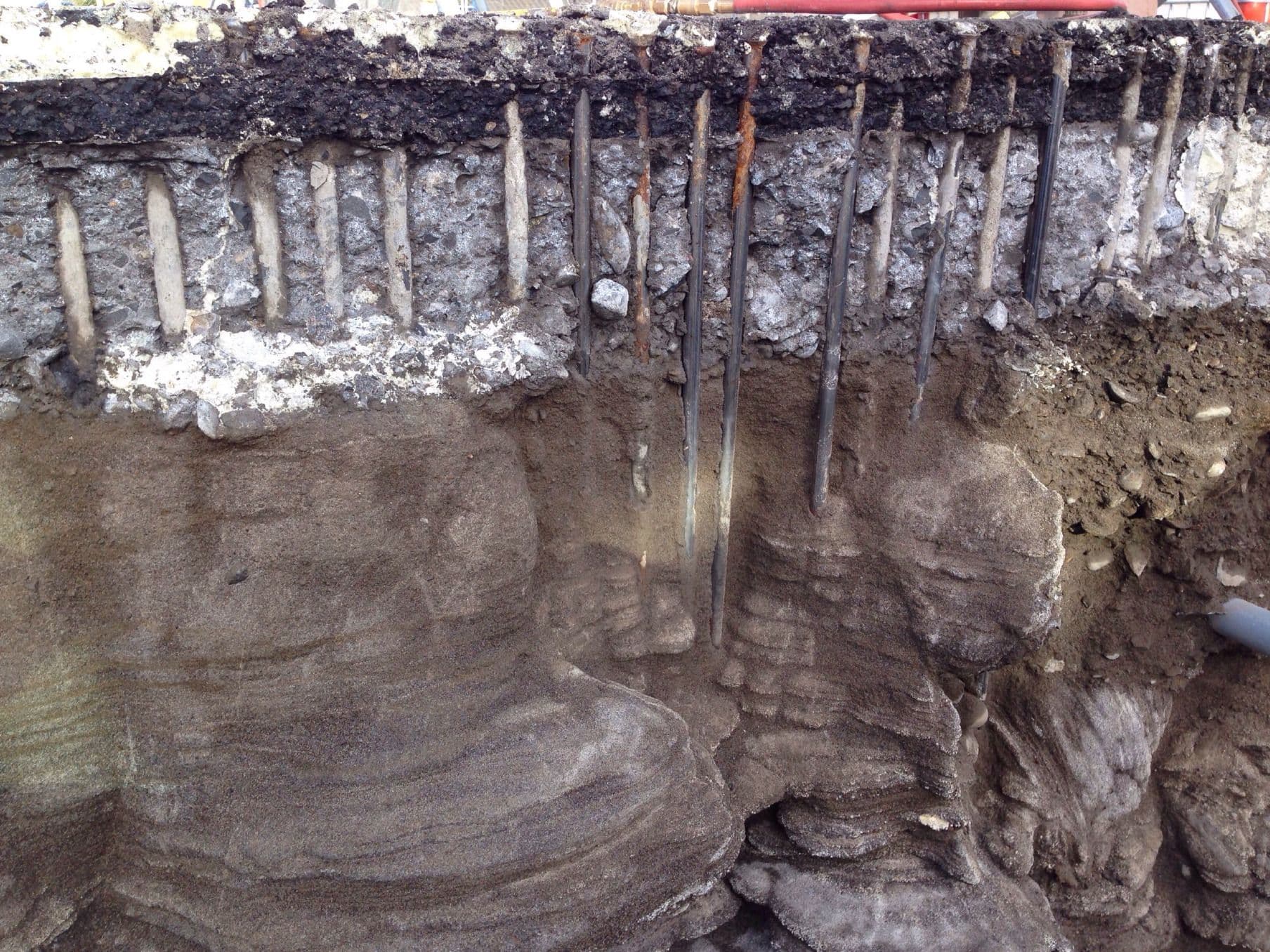
Restores bearing capacity at the foundation, not just at the surface. URETEK 486 Star polymer flows into voids and weak zones in the soil, then expands and compacts under controlled pressure, increasing the soil's actual load-bearing strength beneath the foundation.
Reduces the safety risk of excavation-based repair. Crews aren't working in an open trench or pit next to a loaded structure, which is the main safety hazard in traditional dig-and-underpin foundation work.
The building stays occupied and operating during the work. Injection reaches the foundation through small holes, so there's no need to clear out a facility or halt production while the soil beneath it is reinforced.
Most jobs finish in days, not the weeks excavation-based repair takes. At twin warehouses in South Dakota, URETEK stabilized and lifted 28,800 square feet of foundation across both sites in a matter of days per site.
Reaches the foundation without removing the slab or flooring above it. At a FedEx distribution facility, soils were densified to a 24-foot depth beneath the foundation with no removal of the interior slab, keeping the space usable throughout.
Foundation Stabilization is the right call when a commercial or industrial building's foundation is settling because the soil beneath it has weakened, and the goal is to restore bearing capacity across the foundation generally, whether that's an entire warehouse floor, a set of footings, or a building's perimeter walls.
It isn't the right starting point when the settlement is being driven by a specific nearby cause, like an adjacent excavation actively undermining the foundation, or when the fix needs a heavily engineered, depth-targeted load transfer for a single set of critical footings; Structural Underpinning is built for that more specialized case, often paired with a grout curtain when groundwater from the excavation is part of the problem too. It also isn't the fix for a slab or pavement surface that's settled on its own, separate from the building's foundation; Concrete Leveling addresses that directly.
Foundation Stabilization is often paired with Void Filling on the same project when a void beneath part of the foundation caused the settlement in the first place, addressing the void and the surrounding weak soil together rather than treating them as separate jobs.
1
Evaluate
A URETEK project manager reviews the foundation's condition and the cause of settlement before proposing a plan, not a salesperson.
2
Deploy
Crews mobilize on the schedule the site needs, including nights, weekends, or holidays, in a self-contained unit.
3
Drill
Small holes are drilled through the foundation or nearby grade at locations set by a site-specific injection plan.
4
Inject
URETEK 486 Star polymer is injected into the weak soil, expanding and compacting it under controlled pressure to restore bearing capacity.
5
Monitor
Pressure and movement are tracked throughout injection, so the effect stays controlled and reaches the areas that actually need it.
6
Validate
A post-treatment inspection confirms restored bearing capacity before the crew leaves the site.
URETEK has stabilized foundations at warehouses, convention centers, distribution facilities, and universities nationwide, backed by decades of engineering and execution experience.


URETEK 486 Star polymer densifies the weak soil beneath the foundation as it's injected, so the foundation ends up resting on stronger soil than it started with, not the same soil that caused the settlement. A project manager evaluates the actual cause of settlement before proposing a plan, and Public Works and Federal projects carry a two-year warranty.
Polymer flows into voids and weak zones in the soil beneath the foundation, then expands and compacts that soil under controlled pressure. On a convention center project, that process increased bearing capacity by 50% across 55 existing footings, without removing or replacing them, which is a measurable capacity gain, not just a fill.
In most cases, yes, and sometimes by a wide margin. On an industrial support column stabilization project at the University of Tennessee, this process saved an estimated $380,000 compared to the excavation-and-helical-pier alternative that had originally been proposed.
Yes. At twin grain storage warehouses in South Dakota, URETEK stabilized and lifted 28,800 square feet of foundation across both sites in just a few days per site, keeping the facilities close to their normal operating timeline instead of an extended shutdown.
Yes. At a FedEx distribution center in Idaho, URETEK densified soils to a 24-foot depth beneath the facility's front office foundation without removing any of the interior slab, keeping the space usable throughout the work.
Get a foundation evaluated before settlement becomes structural damage. URETEK crews respond fast, including emergencies.
Request a Foundation Assessment
URETEK
Ground improvement solutions engineered for performance.
Contact Us
Find Local Experts


13900 Humble Road, Tomball, TX 77375
Services
Solutions

 800-240-7868


