

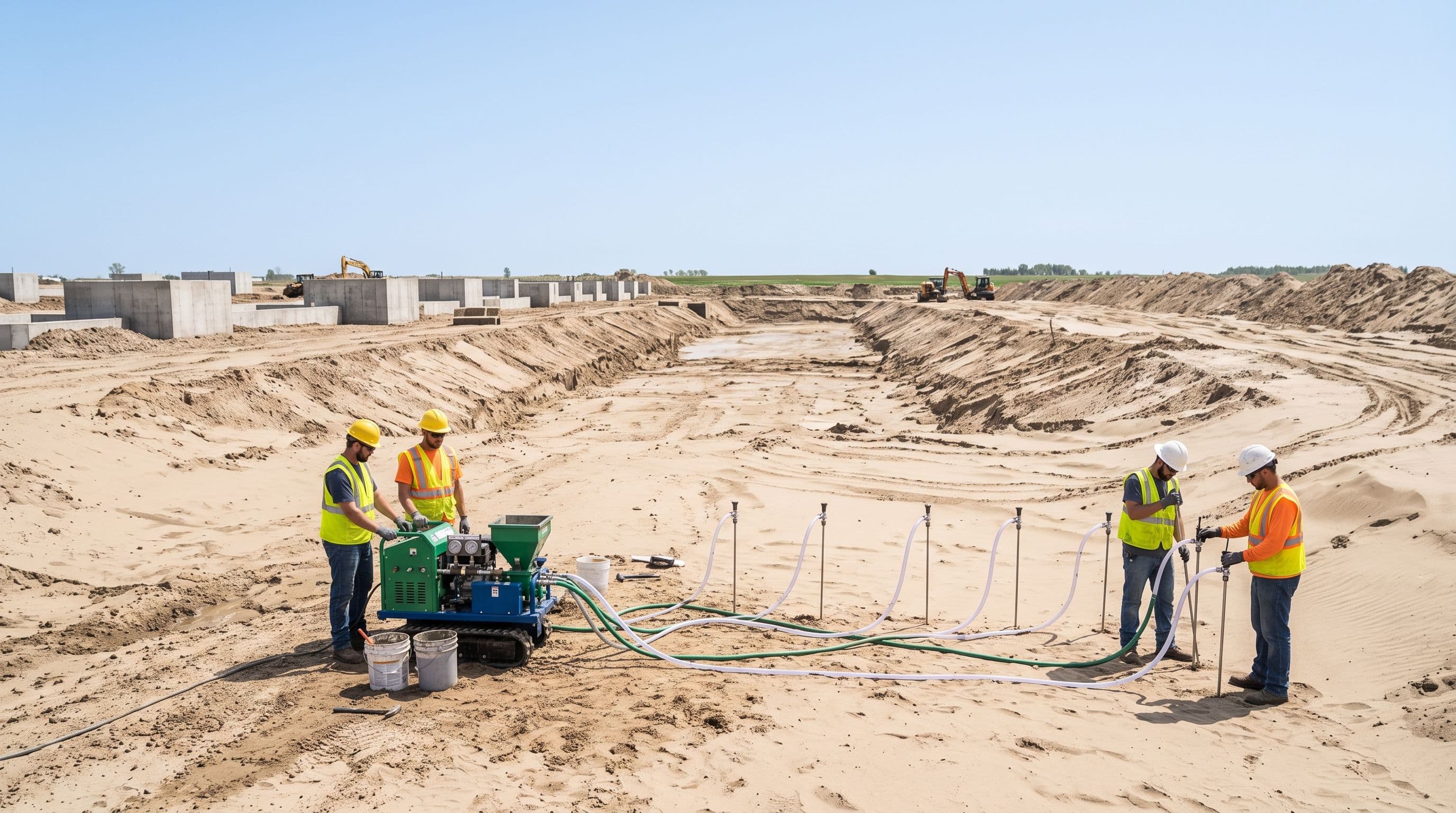
Granular soil can be strong or it can be permeable, and when it's neither, the ground beneath a road or industrial foundation starts to give way.
Solutions for this Service
Weak Soils

Loose Sands
Related Industries
Transportation
Industrial Facilities
Need a Site Assessment?

800-240-7868

Granular soil can be strong or it can be permeable, and when it's neither, the ground beneath a road or industrial foundation starts to give way. Permeation Grouting injects a low-viscosity polymer resin directly into the soil's pore spaces, binding the grains together without displacing or restructuring the soil mass. Engineers and industrial facility owners use it on granular, permeable soils that need more strength and less permeability, without excavation.
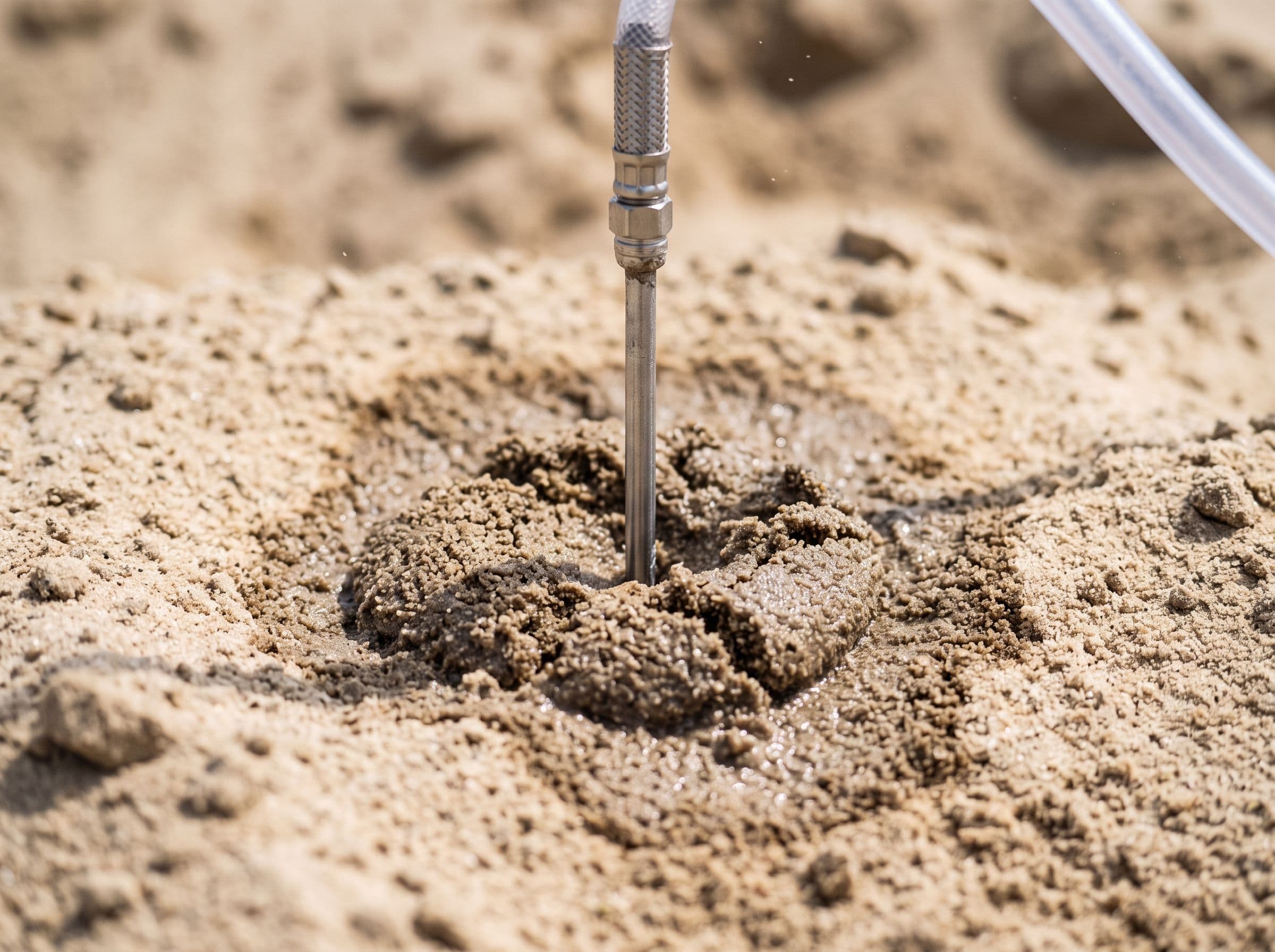
Granular soil that's too permeable or too weak doesn't fix itself. Here's what it leads to if it isn't treated.

Granular or sandy soil too permeable to reliably support infrastructure loads
Reduced bearing strength beneath roadways and industrial foundations built on loose, granular ground
Water moving freely through overly permeable soil, carrying fines and weakening the soil mass over time
Soil that needs more strength without losing its original structure, ruling out displacement-based methods
Weak, overly permeable granular soil is usually identified through geotechnical testing. Consider it when a project involves these.
A geotechnical report identifying granular or sandy soil with high permeability and low strength
Industrial equipment or heavy loads planned for a site with loose, granular subsoil
A roadway or facility foundation on soil too permeable to reliably resist water movement
A project where preserving the soil's original structure rules out displacement or expansion-based treatment
Early settlement signs tied to granular soil losing fines to water movement over time
A site where a rigid or vibratory ground improvement method risks disturbing nearby structures
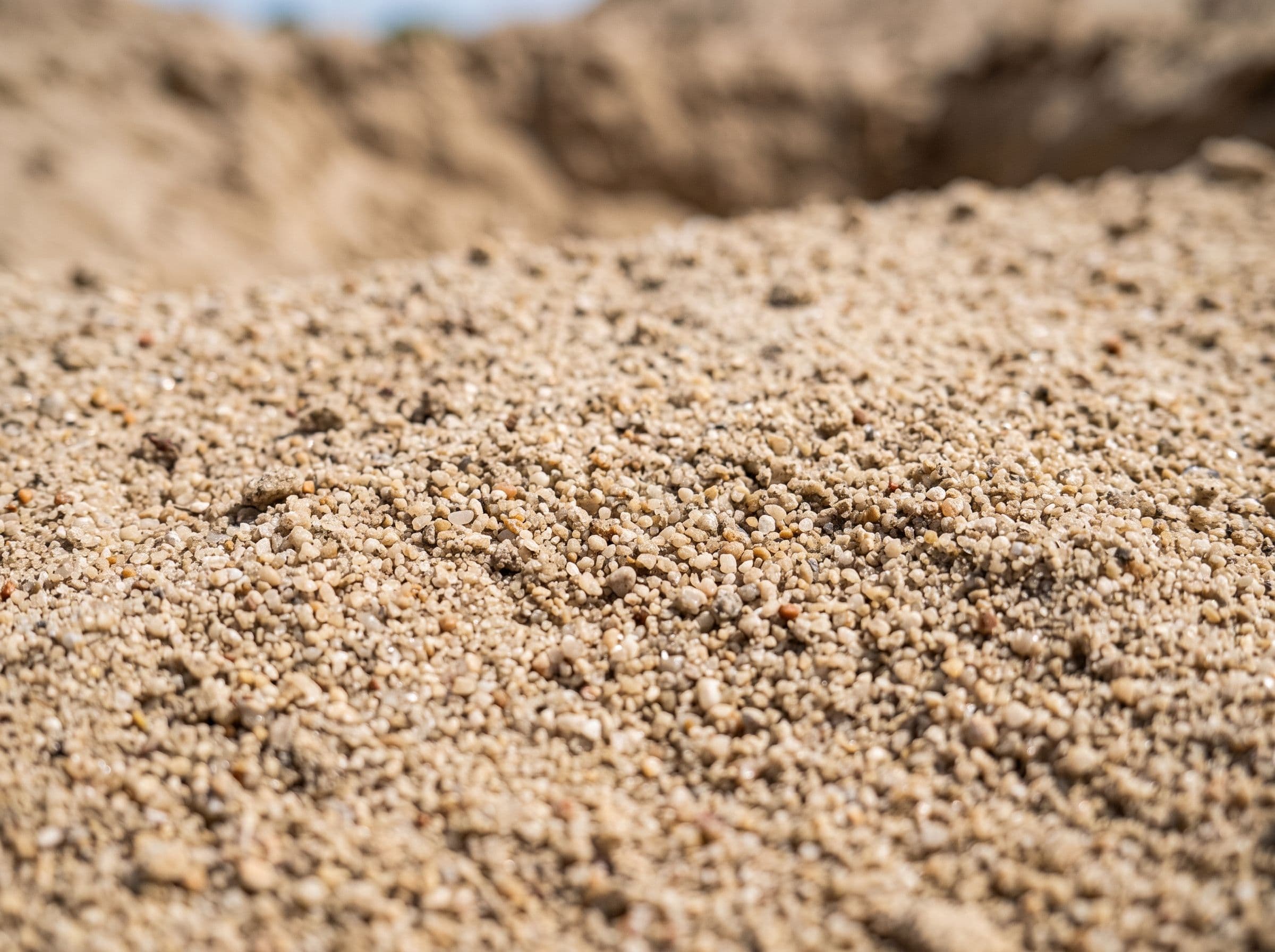
Why engineers choose Permeation Grouting when soil structure needs to be preserved, not displaced.
Increases strength and reduces permeability in the same treatment. The resin binds the soil matrix into a stronger, less permeable mass, restoring stability beneath the infrastructure above it.
Addresses soil that's weak and too permeable at the same time. Rather than treating only strength or only water movement, permeation grouting binds soil grains together in a way that improves both properties together.
Installed with minimal surface disruption. Small-diameter ports are used for injection, so a roadway or industrial facility can generally stay in use during treatment.
Progress is tracked and confirmed as the work happens. Pressure and flow are monitored throughout injection to ensure uniform resin distribution, and post-injection testing confirms the density and permeability improvement before the job is closed out.
Preserves the soil's structure instead of displacing it. The resin flows into existing pore spaces and binds soil grains in place, which matters on sites where a displacement or expansion-based method could disturb nearby structures or utilities.
Permeation Grouting is the right call when granular, permeable soil needs more strength and less permeability, and preserving the soil's original structure matters, such as near sensitive utilities or structures where displacement-based treatment carries risk. It's built for transportation and industrial sites where infrastructure sits on loose or sandy ground.
It's not the right tool when the problem is water finding its way through a specific joint or leak; Chemical Grouting is the more precise, application-focused fit for that, even though both use a similar low-viscosity resin family. It's also not the fit for dense clay or other low-permeability soils the resin can't penetrate, or for situations where displacing and compacting the soil is actually the goal, which Compaction Grouting or Deep Injection (UDI) are built to do.
Permeation Grouting is sometimes paired with Soil Stabilization on the same site when a project needs both broad load-bearing improvement and targeted permeability reduction in a specific granular zone.
1
Analyze
Soil composition and permeability are analyzed to define the specific zones needing treatment, not a salesperson working from a standard package.
2
Design
The injection pattern and polymer selection are tailored to the site's specific soil and load conditions.
3
Access
Small-diameter ports are installed with minimal disruption to the surface above.
4
Permeate
Low-viscosity polymer is injected, permeating the soil's pore spaces and bonding the grains together.
5
Monitor
Pressure and flow are tracked throughout injection to ensure uniform resin distribution across the treatment zone.
6
Validate
Post-injection testing confirms the improvement in soil density and reduction in permeability before the crew leaves.
URETEK strengthens granular soil for transportation and industrial facility owners nationwide.




Post-injection testing confirms the improvement in soil density and reduction in permeability before the job is closed out, rather than assuming it from the volume of resin injected. Pressure and flow are also tracked throughout injection to confirm uniform resin distribution across the treated zone.
Most of URETEK's services use a polymer that expands and displaces soil to compact or lift it. Permeation grouting uses a low-viscosity resin instead, one that flows into the natural pore spaces between soil grains and binds them together without displacing or restructuring the soil mass.
Because the process uses small-diameter ports and requires no excavation, it generally avoids the access and restoration costs of more invasive alternatives. A site-specific comparison against the soil condition and depth involved is the only way to confirm the number for a given project.
Yes. Small-diameter ports are installed with minimal disruption to the surface, so a roadway or industrial facility can generally remain in use while the surrounding soil is treated.
Permeation grouting works best on granular, permeable soils, like sands, where the resin can flow into the natural pore spaces between grains. It is not the right method for dense clay or other low-permeability soils that the resin cannot penetrate.
Get granular soil evaluated and strengthened without disturbing what's around it. URETEK crews respond fast, including emergencies.
Request a Soil Evaluation
URETEK
Ground improvement solutions engineered for performance.
Contact Us
Find Local Experts


13900 Humble Road, Tomball, TX 77375
Services
Solutions

 800-240-7868


