

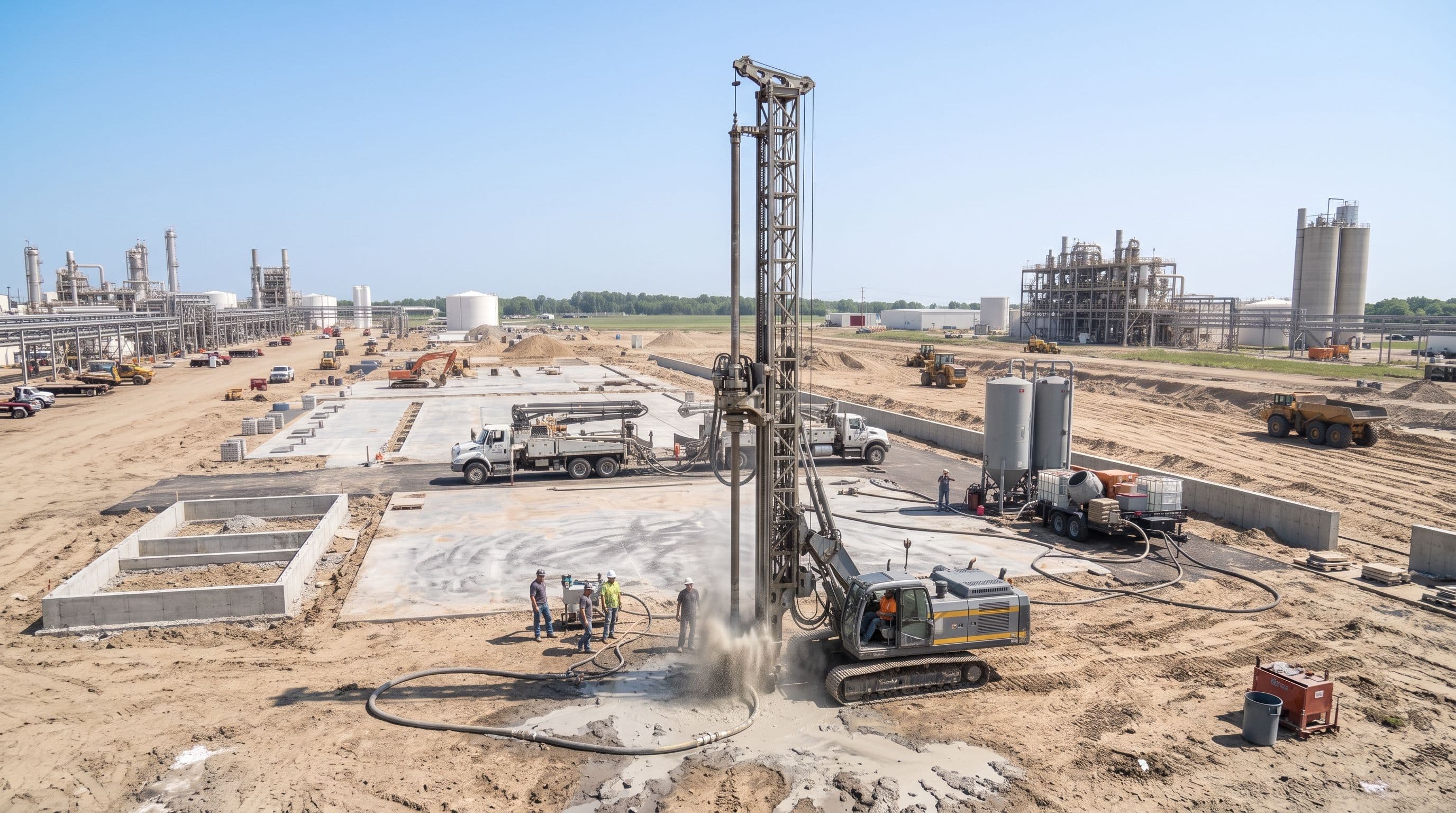
Some ground conditions don't respond well to injection alone, dense clays, obstructed sites, or soil that needs a column of engineered strength rather than added density.
Solutions for this Service
Weak Soils

Loose Sands
Sinkholes
Void Formation
Related Industries
Transportation
Industrial Facilities
Need a Site Assessment?

800-240-7868

Some ground conditions don't respond well to injection alone, dense clays, obstructed sites, or soil that needs a column of engineered strength rather than added density. Jet grouting uses high-velocity fluid jets to erode native soil and mix it with cement grout in place, forming columns or panels of soilcrete with designed strength. It's typically used for excavation support, underpinning, groundwater control, and difficult soils that don't respond as well to lower-pressure grouting methods.
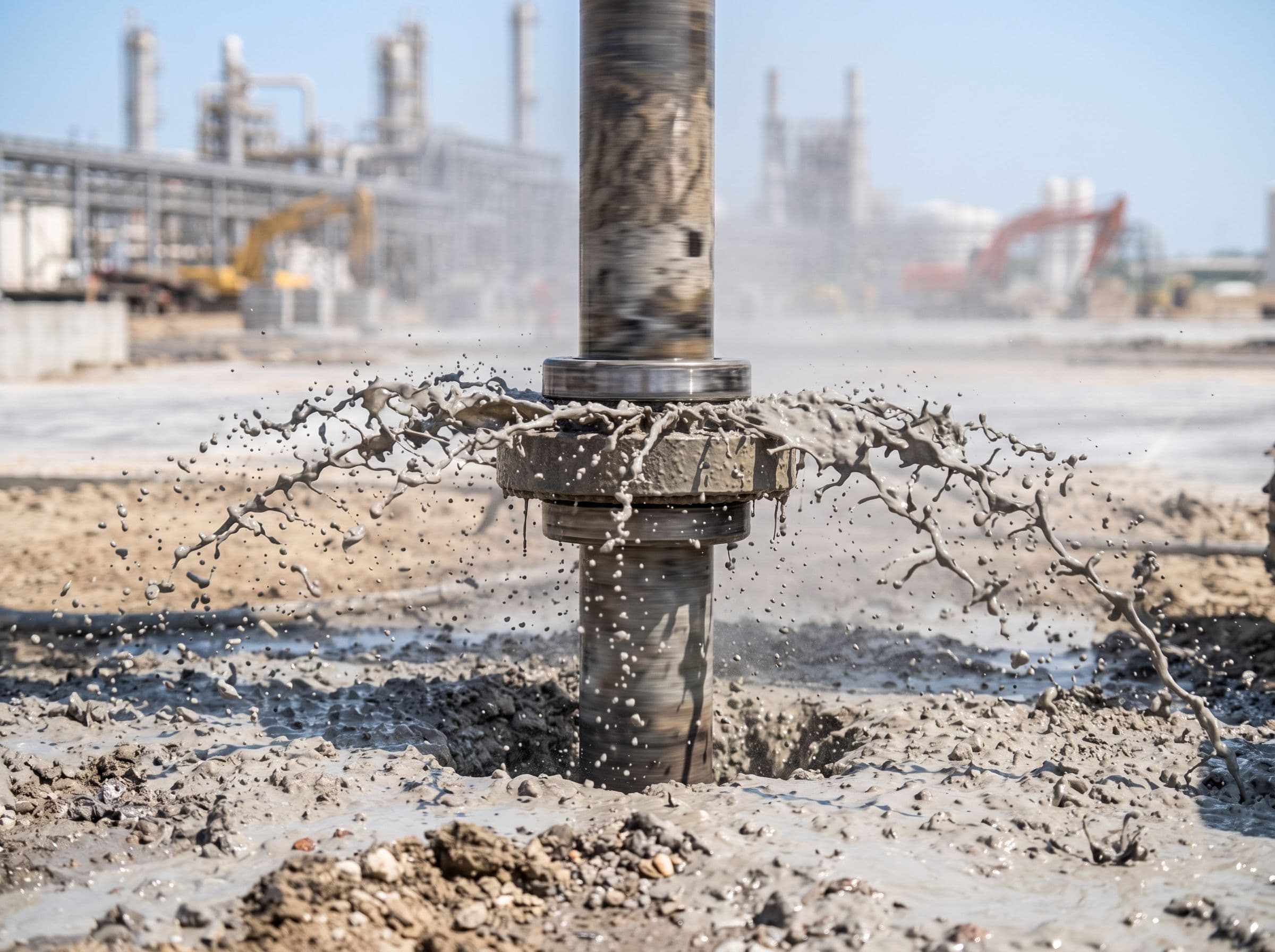
General industry framing, not yet confirmed against URETEK project history.

Soil too dense, cohesive, or obstructed for standard low-pressure grout injection to treat effectively
Excavation support needed in soil types that resist typical injection methods
Foundation underpinning required in confined or low-headroom spaces
A need to seal the base of a planned excavation against groundwater before digging begins
These are the general conditions the industry associates with choosing jet grouting over other grouting methods.
A geotechnical report identifying dense clay or cohesive soil resistant to standard grout injection
An excavation planned in soil with a high water table requiring a sealed base
A foundation underpinning project in a confined, low-headroom space
Subsurface utilities or obstacles that require working around rather than through
A need for engineered, verifiable column strength rather than general soil densification
A site where other ground improvement methods have been ruled out for the specific soil type
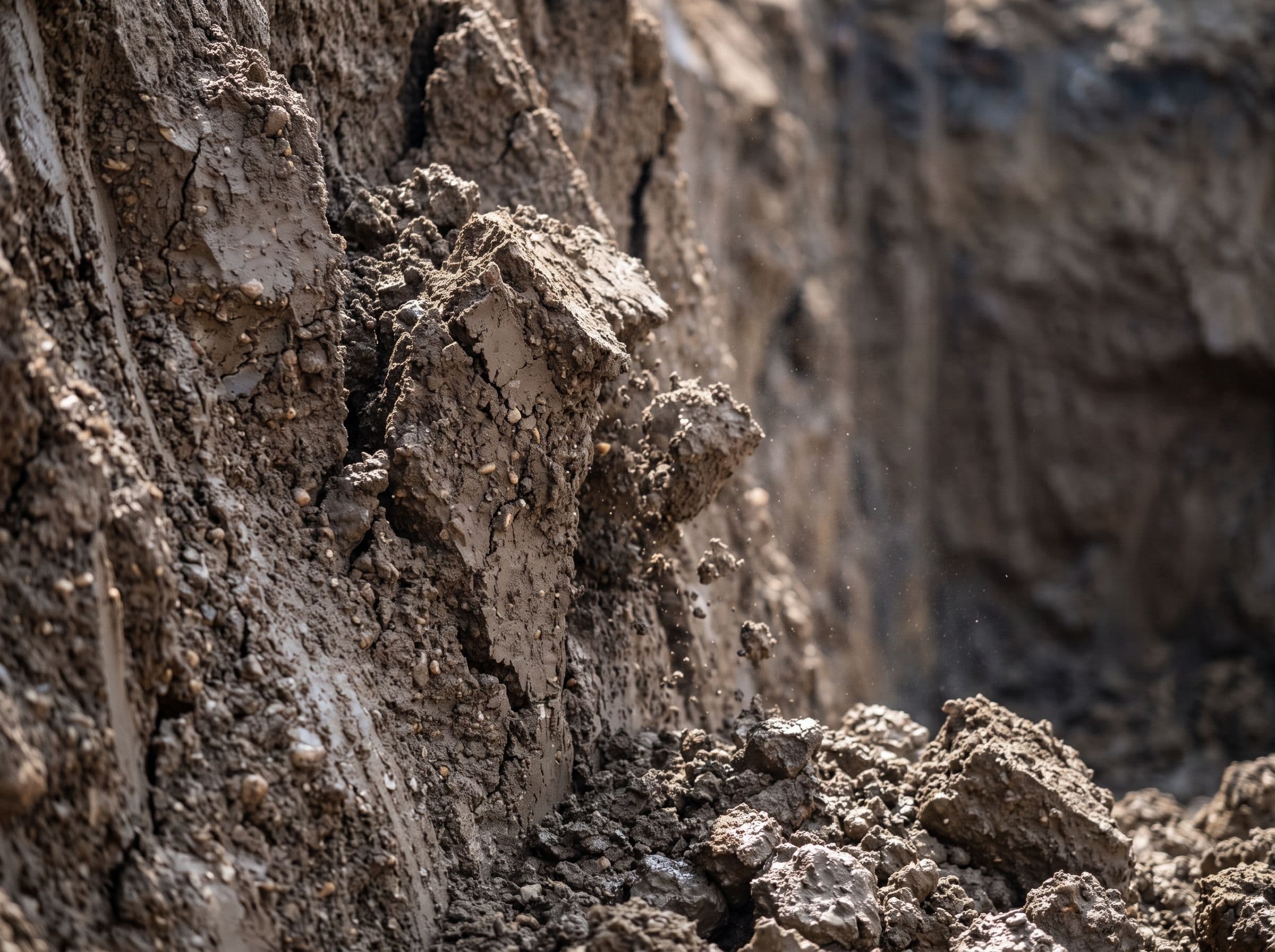
General industry-standard benefits associated with jet grouting.
Effective across a wide range of soil types. Industry-wide, jet grouting is considered one of the few grouting methods effective in silts and most clays, since it erodes and mixes soil rather than depending on permeability.
Works around existing obstacles. The technique can be used to construct soilcrete in limited spaces and around subsurface utilities or other obstacles that standard injection may not accommodate.
Suited to confined or low-headroom sites. Specialized low-headroom equipment allows the technique to be used in basements and other confined spaces.
Can target specific soil layers at depth. Treatment can be focused on a specific depth or layer without necessarily treating soil above it.
Forms engineered soilcrete, not just densified soil. The process erodes and mixes native soil with cement grout to form columns or panels with designed, verifiable strength, a different mechanism than URETEK's expanding polyurethane injection used elsewhere.
Jet grouting would generally be the right call when soil conditions, dense clay, cohesive soil, or obstructed ground, make standard low-pressure grout injection less effective, or when a project needs engineered soilcrete columns rather than general soil densification.
It would not be the right tool for the soil and structural conditions URETEK's core services already handle well: settled structures needing lift (Deep Injection UDI), leaking joints (Chemical Grouting), or loose granular soil that responds well to permeation or displacement grouting (Permeation Grouting, Compaction Grouting). Jet grouting specifically fills the gap those methods don't cover well: dense, cohesive, or obstructed soils.
1
Evaluate
Soil borings and site conditions are reviewed to confirm jet grouting is the right method for the specific soil type.
2
Test
An initial test program establishes column spacing, overlap, and geometry parameters specific to the site's soil.
3
Position
The grouting monitor, attached to a drill stem, is advanced to the target treatment depth.
4
Jet
High-velocity jets erode and mix the native soil with cement grout as the stem rotates and is withdrawn, forming a soilcrete column or panel.
5
Monitor
Jet grouting parameters are tracked during production to confirm consistency with the test program.
6
Validate
Completed columns are verified against the design's strength and geometry requirements before the project is closed out.
Jet grouting is used industry-wide for excavation support, underpinning, and groundwater control in dense or obstructed soils.






In standard jet grouting practice, a test program is run before production work begins to confirm column spacing, overlap, and geometry against the project's actual soil conditions.
A grouting monitor on a drill stem is advanced to the target depth, then high-velocity jets erode the surrounding soil while mixing it with cement grout as the stem rotates and is withdrawn. The result is a column, panel, or partial column of soil-cement, called soilcrete, with engineered strength.
It depends heavily on soil type, depth, and site access, and generally requires more specialized equipment than URETEK's standard small-hole injection methods.
Low-headroom jet grouting equipment can generally work in confined spaces like basements, which is one reason the technique is used industry-wide near active facilities.
Industry-wide, jet grouting is considered effective across a wide range of soil types, including silts and most clays, since it works by eroding and mixing soil rather than relying on permeability the way lower-pressure grouting methods do.
Talk to URETEK about your site's specific soil conditions.
Request a Soil Evaluation
URETEK
Ground improvement solutions engineered for performance.
Contact Us
Find Local Experts


13900 Humble Road, Tomball, TX 77375
Services
Solutions

 800-240-7868


