

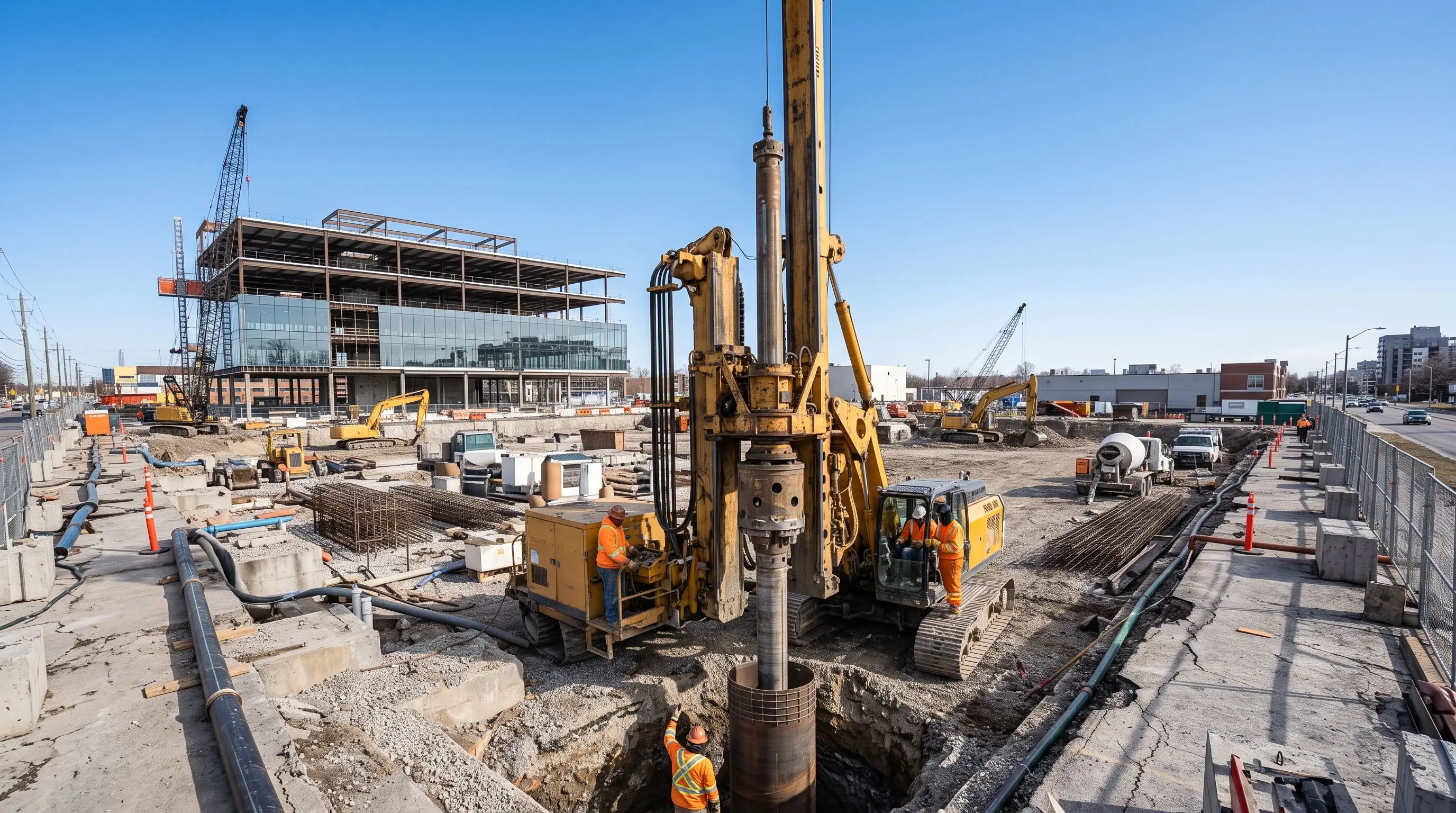
Some structures put more load on a single foundation point than a standard pile or micropile can safely carry.
Solutions for this Service
Settlement Remediation

Foundation Stabilization
Structural Re-Leveling
Infrastructure Settlement Control
Related Industries
Industrial Facilities
Commercial and Institutional
Need a Site Assessment?

800-240-7868

Some structures put more load on a single foundation point than a standard pile can safely carry. Macropiles are built to handle that: an ultra-high-capacity version of a micropile, using a larger-diameter steel casing drilled to depth, reinforced, and grouted to transfer very high loads down to deeper, more competent soil or rock. They're typically used for heavy industrial equipment, high-rise structures, and bridge piers where a single point of support needs unusually high capacity.
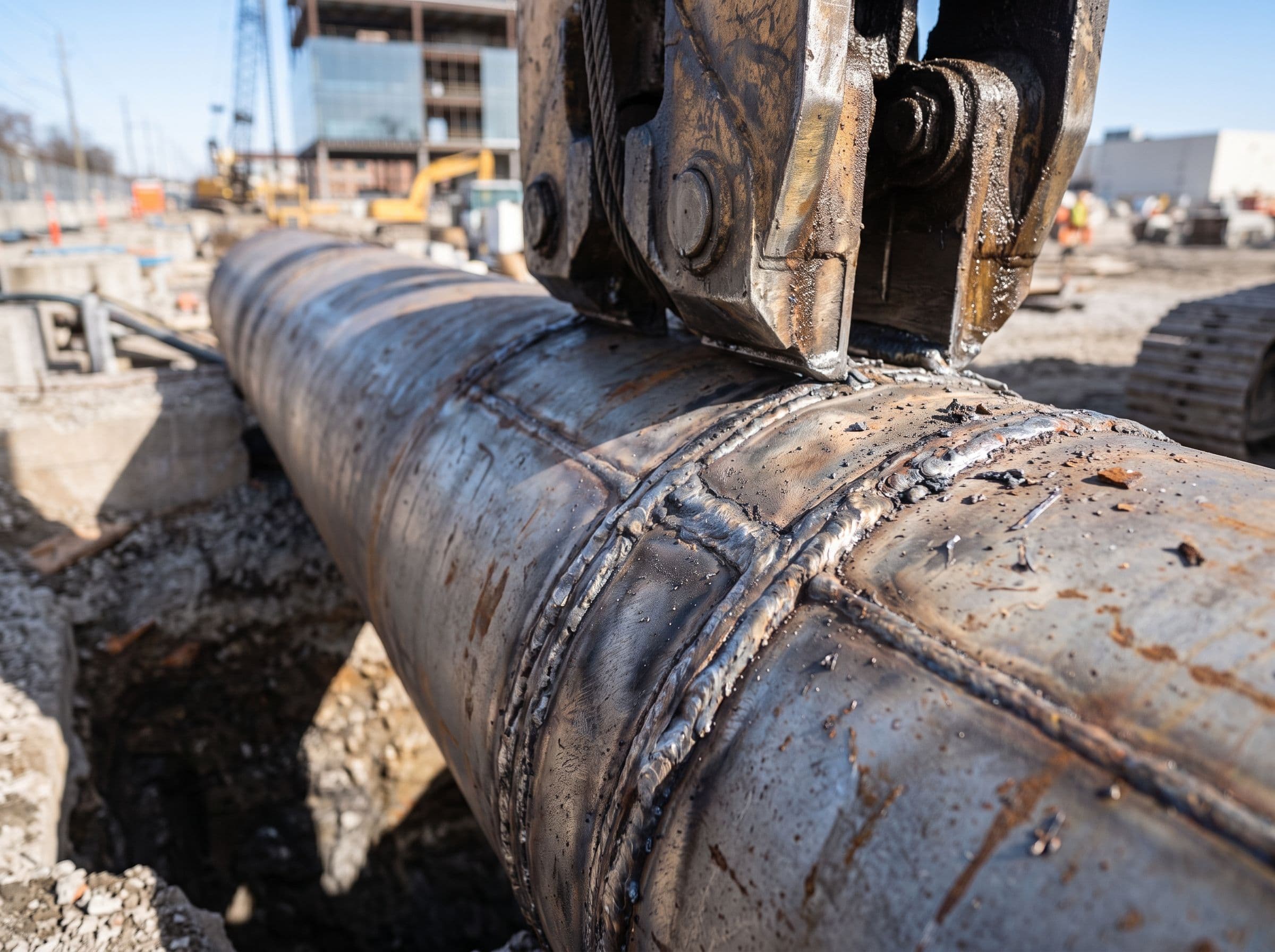
General industry framing, not yet confirmed against URETEK project history.

A single foundation point carrying more load than a standard pile or micropile can safely support
Heavy industrial equipment or high-rise structures requiring unusually high point-load capacity
A bridge pier or similar structure needing deep, high-capacity support at a specific location
Weak near-surface soil sitting above deep, competent bearing material that a standard pile can't fully leverage
These are the general conditions the industry associates with choosing macropiles over standard micropiles or other pile systems.
A structural design calling for point loads beyond standard micropile capacity
Heavy industrial equipment, tanks, or machinery foundations with concentrated loading
A high-rise or large-span structure requiring deep, high-capacity point support
A bridge pier or similar transportation structure needing high-capacity deep foundation elements
A retrofit project adding significant new load to an existing foundation system
A site where fewer, higher-capacity piles are preferred over many smaller piles
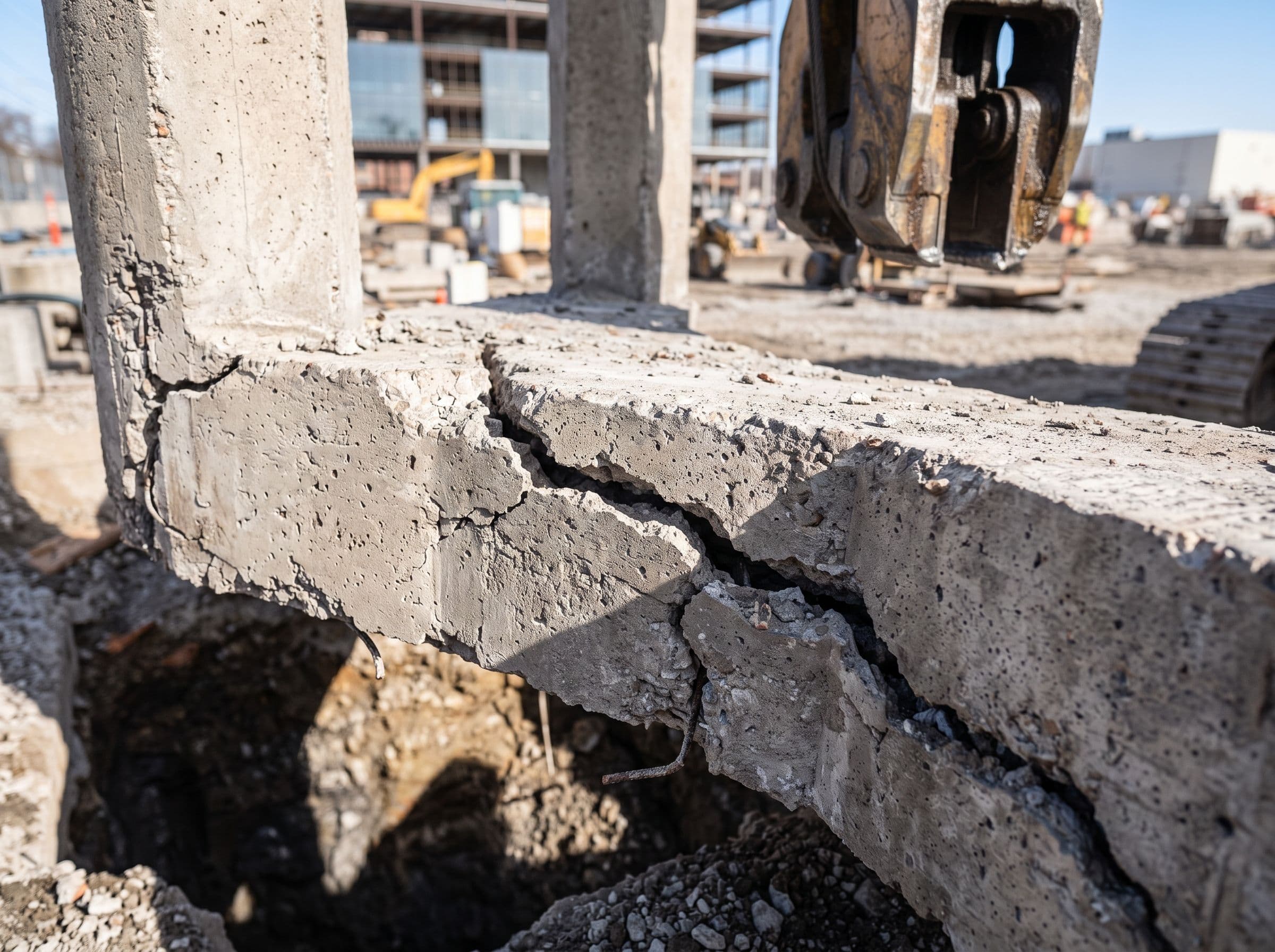
General industry-standard benefits associated with macropiles. Not yet confirmed as URETEK-specific claims.
Delivers very high load capacity per pile. The enlarged casing and reinforcement allow a macropile to carry substantially more load than a standard micropile in the same soil conditions.
Reduces the number of piles needed for a given load. Because each pile carries more capacity, fewer piles may be needed to support the same structural load compared to standard micropiles.
Uses drilling rather than driving. Installation is drilled and grouted rather than hammered into place, which is generally lower-vibration than driven pile alternatives.
Suited to concentrated, high-value structural loads. The technique is typically chosen specifically for heavy industrial equipment, high-rise structures, and bridge piers with unusually high point loads.
Verified with load testing, not assumed from design tables. Test piles or early production piles are typically load-tested to confirm the design capacity holds in the actual soil and rock conditions on site.
Macropiles would generally be the right call when a single foundation point needs to carry a very high load, beyond what a standard micropile can support, and that load needs to be transferred to deep, competent soil or rock.
It would not be the right tool for the load ranges and problems URETEK's core polymer injection services already address: general weak soil needing density improvement (Soil Stabilization, Ground Densification), or a structure that has already settled and needs correction (Settlement Control, Deep Injection UDI). For a structural point load within standard capacity ranges, a standard Micropile would likely be the more appropriate, less specialized option than a macropile.
1
Evaluate
Geotechnical data and the required point-load capacity are reviewed to confirm a macropile, rather than a standard micropile, is warranted.
2
Design
Casing diameter, depth, and reinforcement are engineered to the specific ultra-high-capacity load requirement.
3
Drill
A large-diameter steel pipe casing is advanced by drilling to the design depth.
4
Reinforce
Reinforcing steel, sometimes concentric pipes rather than a single bar, is inserted into the casing.
5
Grout
High-strength grout is placed by tremie method, bonding the reinforcement to the surrounding soil or rock.
6
Test and Validate
Test piles or early production piles are load-tested to confirm the ultra-high-capacity design before the remaining piles are installed.
Macropiles are used industry-wide for heavy industrial equipment, high-rise structures, and bridge piers that need unusually high point-load capacity.






Load testing is performed on test piles or early production piles to confirm the design capacity is actually achieved in the specific soil and rock conditions on site.
A macropile is an enlarged, ultra-high-capacity version of a micropile, using a larger-diameter steel pipe casing drilled to the design depth. Reinforcing steel, sometimes concentric pipes rather than a single bar, is inserted, and high-strength grout is placed by tremie method. The larger casing and reinforcement allow a macropile to carry substantially more load than a standard micropile in the same soil conditions.
It depends on the required capacity, soil conditions, and site access. Macropiles can often be installed with more compact equipment than large driven piles or drilled shafts, but a project-specific comparison would be needed.
Macropile drilling equipment is generally more compact than large-diameter drilled shaft or driven pile rigs, which can make it suitable for constrained sites, though it typically requires more room than a standard micropile rig given the larger casing size.
Macropiles are generally used where a single pile needs to carry a very high load, heavy industrial equipment foundations, high-rise structures, or bridge piers, and standard micropile capacity isn't sufficient.
Talk to URETEK about a high-capacity deep foundation need at your site.
Request a Site Evaluation
URETEK
Ground improvement solutions engineered for performance.
Contact Us
Find Local Experts


13900 Humble Road, Tomball, TX 77375
Services
Solutions

 800-240-7868


